When a single phrase ignites a political storm, what if the spark was just a local idiom lost in translation?
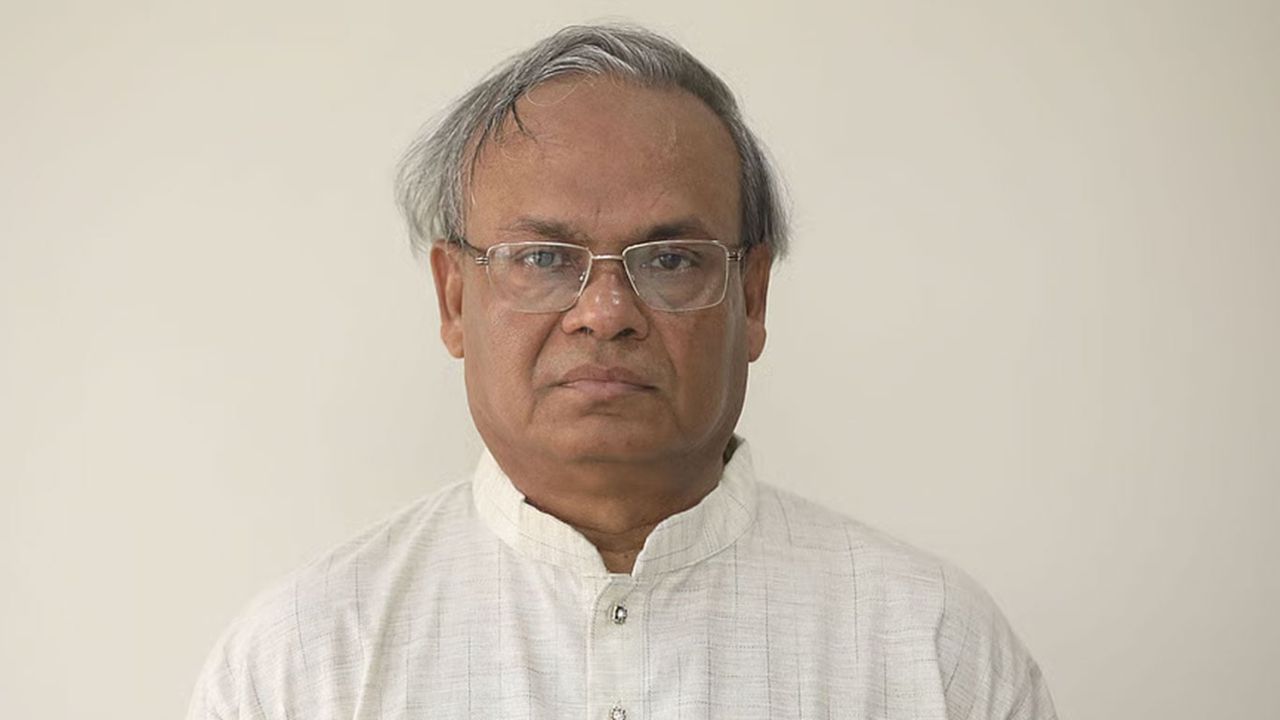
That is the bizarre, highly localised controversy currently gripping social media circles, centred on Hefazat-e-Islam chief Muhibbullah Babunagari and his prominent colleague, Bangladesh Khelafat Majlis Amir Maulana Mamunul Haque.
The drama erupted after a cryptic remark attributed to the Hefazat chief ricocheted across digital platforms. Netizens and political observers quickly rushed to connect the dots, alleging that Babunagari had hurled a severe verbal insult – specifically using the Chattogram dialect phrase “Kuttar Bachcha” (son of a bitch) – directly at Mamunul Haque.

In mainstream political vocabulary, such an utterance would signal an explosive rift, a bitter falling-out among senior leaders, and a scandal ready-made for morning headlines.
Before the rumour could solidify into political gospel, the Hefazat chief’s camp stepped in to douse the flames.




A video of the speech went viral around November 7, 2026, showing Babunagari making the remark from the stage while BNP leaders were reportedly seated nearby on Friday at the Jameya Islamia Azizul Uloom, Babunagar, in Fatikchhari.
On Sunday, Babunagari’s personal assistant, Maulana Abdul Khaleque, issued a swift clarification on Facebook.
According to the post, when the viral claim was brought directly to Babunagari, the ageing leader expressed total bewilderment, insisting, “I did not say those words to him. He is as dear to me as my own son.”
Crucially, Khaleque offered a linguistic defence that completely reframes the narrative: regional dialect.

In the distinct regional flavour of Chattogram, the assistant explained, the phrase carries a vastly different weight than it does in standard Bangla or formal discourse.
Depending on the context, what sounds like a harsh insult to outsiders can function as a casual colloquialism or even a peculiar term of endearment, occasionally used affectionately when addressing children.
The Hefazat camp sharply criticised social media commentators for weaponising a regional turn of phrase, accusing online critics of lifting words entirely out of their cultural context to manufacture a personal attack where none exists.