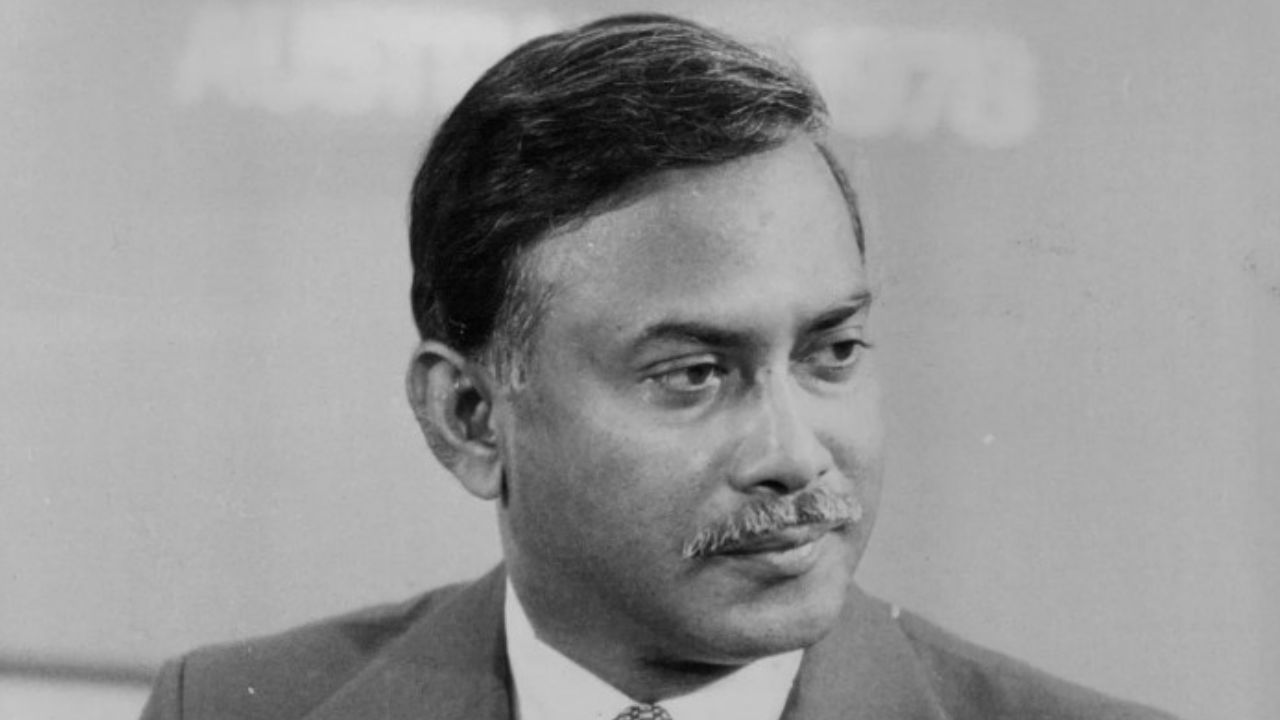



The 7 November 1975 revolution of soldiers and civilians paved the way for then army chief Ziaur Rahman to rise to the centre of power and laid the groundwork for the formation of his political party and its eventual assumption of state power.
Historians, political analysts and senior BNP leaders say that, although 7 November is not the party’s formal founding day, it remains an important milestone in the BNP’s political history and its subsequent role in governing the country.
Zia founded BNP on 1 September 1978. The party won the following year’s parliamentary election and formed the government.
After his death, his wife, former prime minister and BNP Chairperson Khaleda Zia, carried forward his 19-point programme and, analysts believe, took the party to new heights of nationwide popularity.
More than two decades later, BNP has returned to power and is observing the day with state honours and various programmes. The party has also announced initiatives of its own.
How Zia rose to power
The assassination of Sheikh Mujibur Rahman and most of his family members on 15 August 1975 brought major changes to the country’s politics. After Khondaker Mostaq Ahmad assumed the presidency, divisions emerged within the army. These led to a coup on 3 November, led by Brigadier General Khaled Mosharraf. Zia was placed under house arrest, Khaled took over as army chief, and Justice Abu Sadat Mohammad Sayem became president.

Tensions spread across the cantonments from the night of 6 November. At dawn the next day, a soldiers’ revolt ended Khaled Mosharraf’s coup and freed Zia. Members of the armed forces and ordinary people joined processions and a large rally in the capital.
BNP describes the event as the Revolution of Soldiers and the People, saying it paved the way for protecting the country’s independence and sovereignty and establishing multiparty democracy.
Historians and political analysts offer differing interpretations, pointing to power struggles within the army, the role of the Jatiya Samajtantrik Dal’s clandestine military wing Biplobi Sainik Sangstha (Revolutionary Soldiers Organisation) and the interests of different political forces.



Historian and political analyst Mohiuddin Ahmed has argued that, although JSD played a role in planning the uprising, Zia ultimately reaped its political benefits. The events paved the way for his rise in Bangladesh politics and the subsequent formation of BNP, he said.
Zia emerged at the centre of state power after the uprising. He became chief martial law administrator in November 1976 and president in April 1977. On 22 May that year, he announced his 19-point programme, promoting development, production, self-reliance and national unity as he sought to build a political support base beyond military rule.
Formation of BNP and its rise to power
Zia took initiatives to establish a political platform bringing together leaders of different parties, politicians, bureaucrats, professionals and intellectuals. He first formed the Jatiyatabadi Ganatantrik Dal (Jagadal) before formally announcing BNP at a press conference in Dhaka on 1 September 1978.
Based on the 19-point programme, the party brought together people from different political backgrounds and professions. Zia won the presidential election that year, and the BNP secured a majority in the second parliamentary election in 1979 and formed the government.
Political scientist Professor Dilara Choudhury said, “The journey of Ziaur Rahman’s rise through the special political circumstances of 7 November reached its culmination with the formation of the BNP and its electoral victory. Although there are examples around the world of military rulers forming political parties, very few have achieved popularity on the scale of the BNP.”
After Zia was assassinated in 1981, his wife Khaleda Zia carried forward the 19-point programme and made the party popular at the grassroots, she said.
When did 7 November observances begin?
The BNP has observed 7 November as National Revolution and Solidarity Day since the early days of its formation.
State-level observances began in 1976. The Awami League government discontinued the public holiday after coming to power in 1996. The BNP-led four-party alliance reinstated it after returning to power in 2001, but the caretaker government cancelled it in 2007. State-level observances remained suspended for a long period, although the BNP continued to mark the day through party programmes while in opposition.

Day again being observed with state honours
After a long hiatus, the BNP government, having returned to power in 2026, has taken the initiative to observe the day again with state honours.
For the BNP, 7 November is closely linked to the party’s political origins and the path that led it to state power.
BNP Standing Committee member Selima Rahman told TIMES, “That day, the soldiers and the people believed that if they could free Ziaur Rahman from confinement, the great proclaimer of independence would show the nation the way to liberation. After being freed, he indeed showed the nation a new direction.”
The observances include a public holiday, the hoisting of the national flag at all government and private buildings, discussion meetings and essay competitions at educational institutions. Messages from the president and prime minister will be issued, alongside events at district and upazila levels.
At a Cabinet meeting chaired by Prime Minister Tarique Rahman on 5 October, the government decided to declare 7 November a public holiday as National Revolution and Solidarity Day. Earlier, on 16 April, the Cabinet had decided to observe the day at the state level.
The BNP has announced a seven-day programme from 5 to 11 November. Today, in the morning, the national and party flags will be hoisted at the party office. The party will pay tribute at 11am at the graves of its founder, Ziaur Rahman, and former chairperson Khaleda Zia. A colourful rally will start from Nayapaltan in the afternoon, with rallies and discussion meetings also planned at district and metropolitan levels.