Every day, the city throws away more than it remembers. Trucks arrive at the garbage dump before dawn. They unload plastic, food scraps, broken glass, and torn fabric. The piles grow higher, the smell thickens, and birds circle overhead. Then the workers arrive.
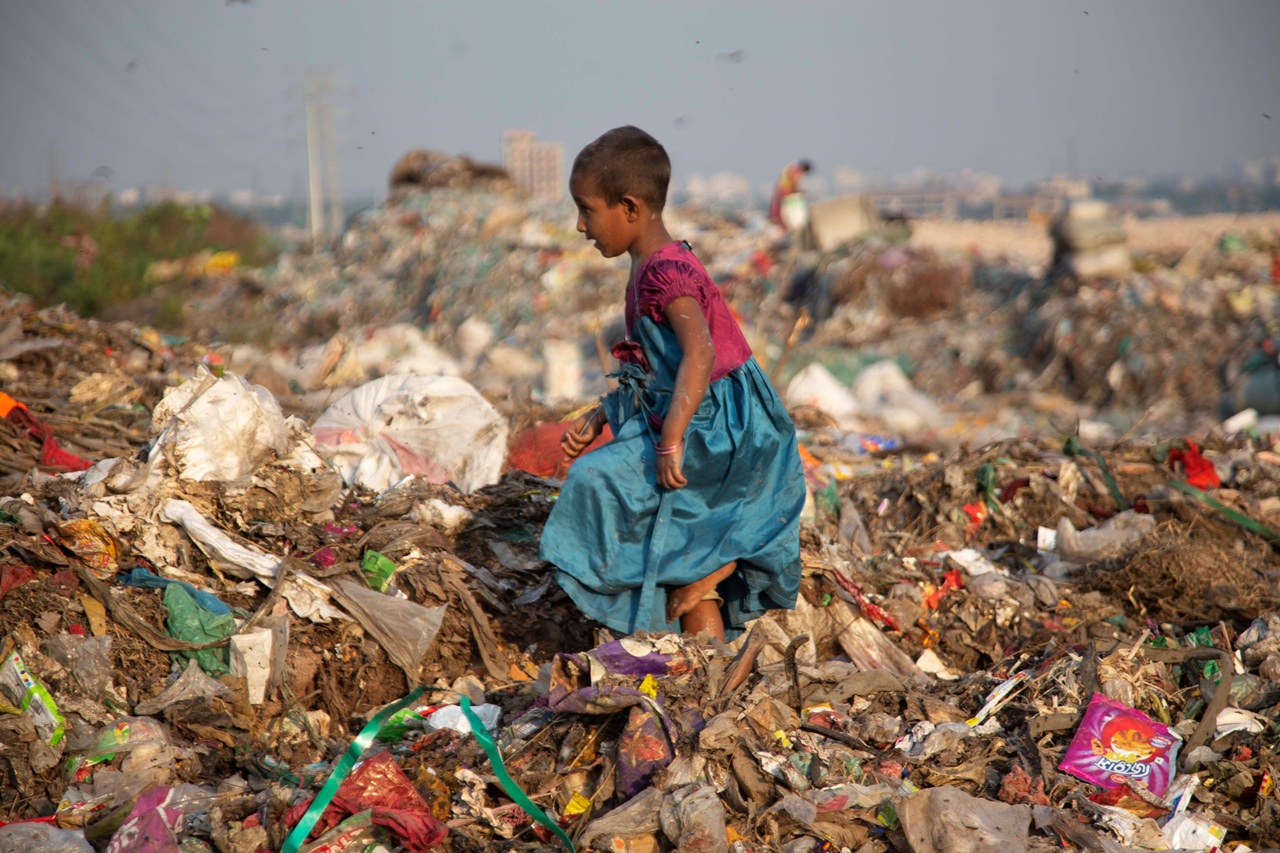
They are not on any official payroll. They carry sacks on their backs. Some wear sandals, some work barefoot. Most are women and children. They climb the heaps with quiet focus.
They search for value in what others discard. Plastic bottles, old newspapers, aluminium cans, pieces of metal, anything that can be sold. Anything that can bring a few extra takas.

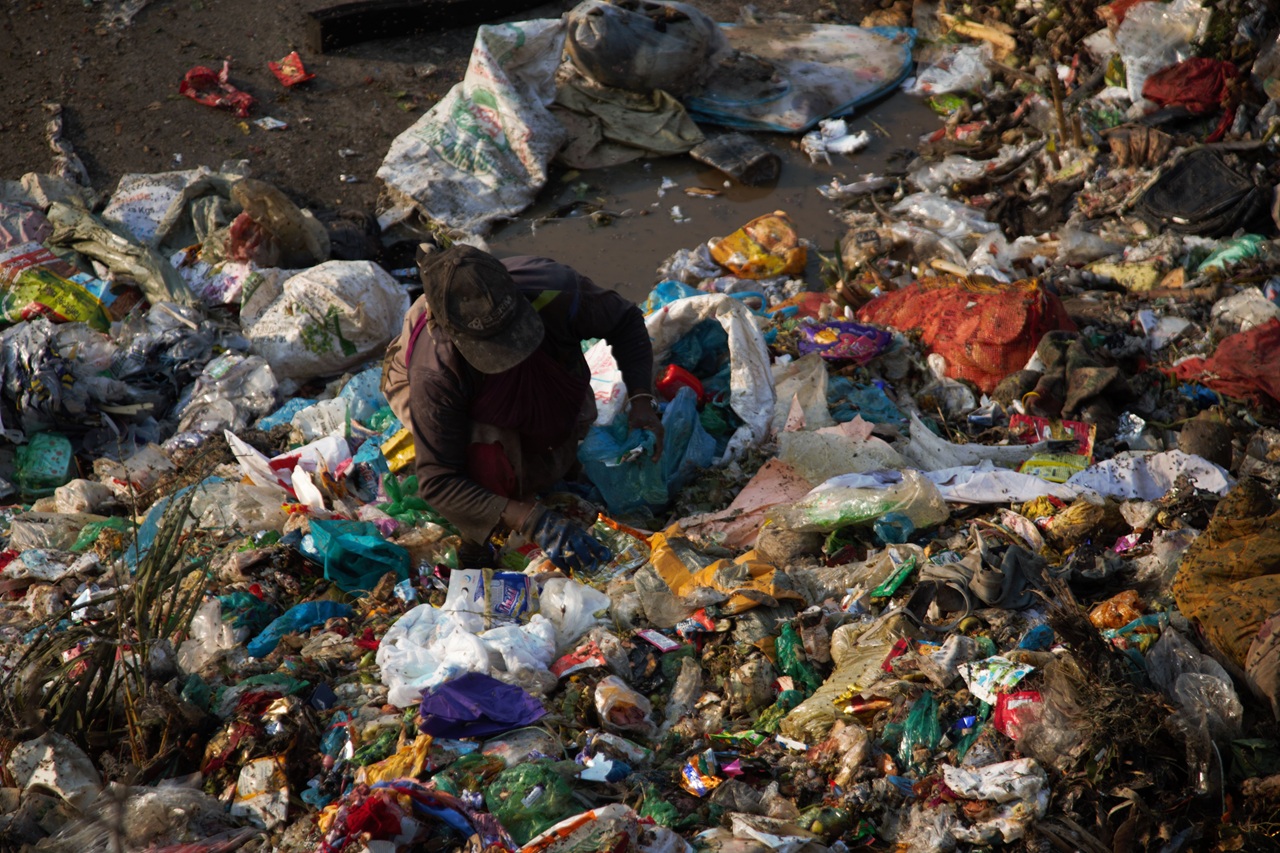
The work is harsh. The ground is unstable. Sharp objects hide under layers of trash. Smoke rises from burning waste. The air is heavy with toxins. Cuts and infections are common. Yet they return every day.
For many, this is the only option. They come from river-eroded villages. From slums pushed to the margins. From homes where income is uncertain, and mouths are many. A day without work means a night without food. The earnings are small.




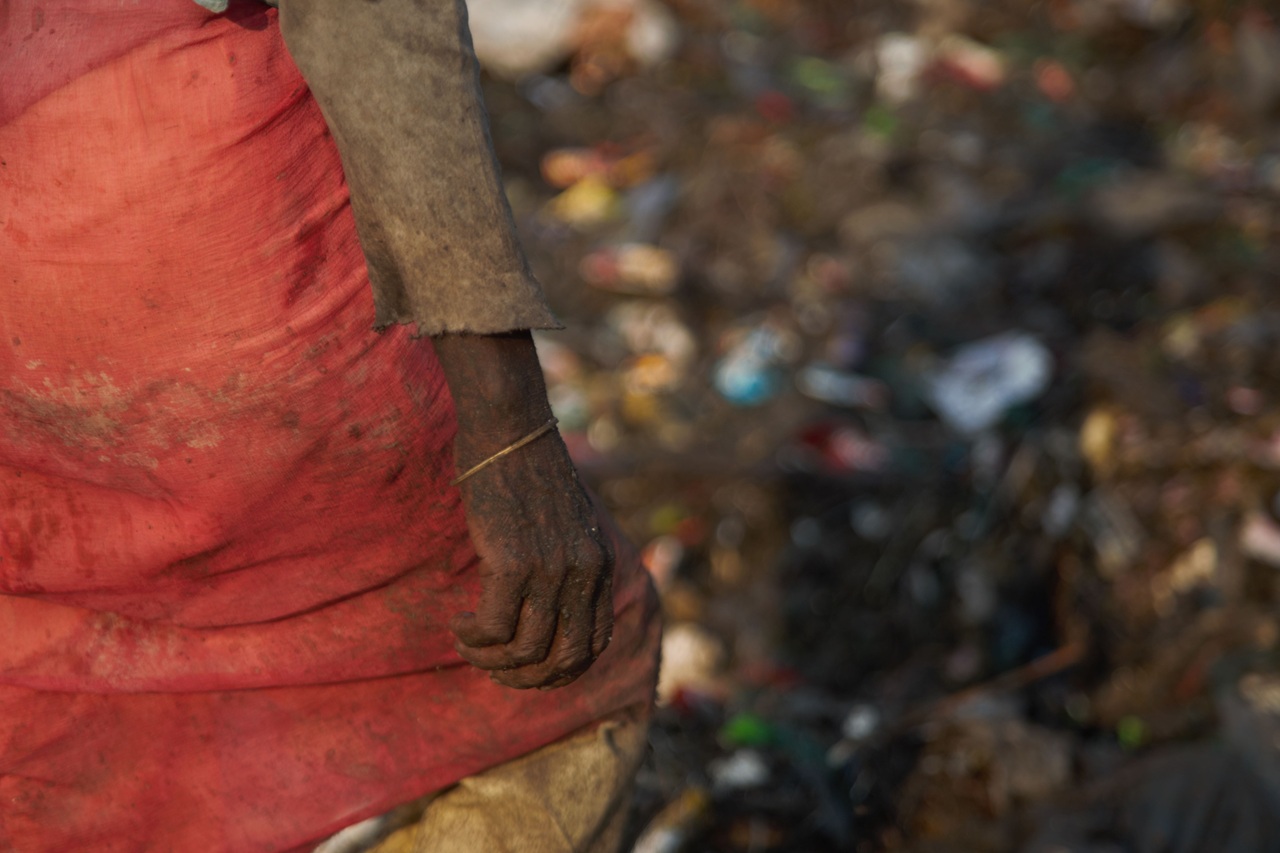
Middlemen pay very little. Prices change without warning. Still, the money buys rice, pays rent or sends a child to school, sometimes.
There is stigma, too. People look away, covering their noses and call them dirty. Few see the service they provide. Fewer acknowledge their contribution to the city. Because without them, Dhaka would drown faster in its own waste.
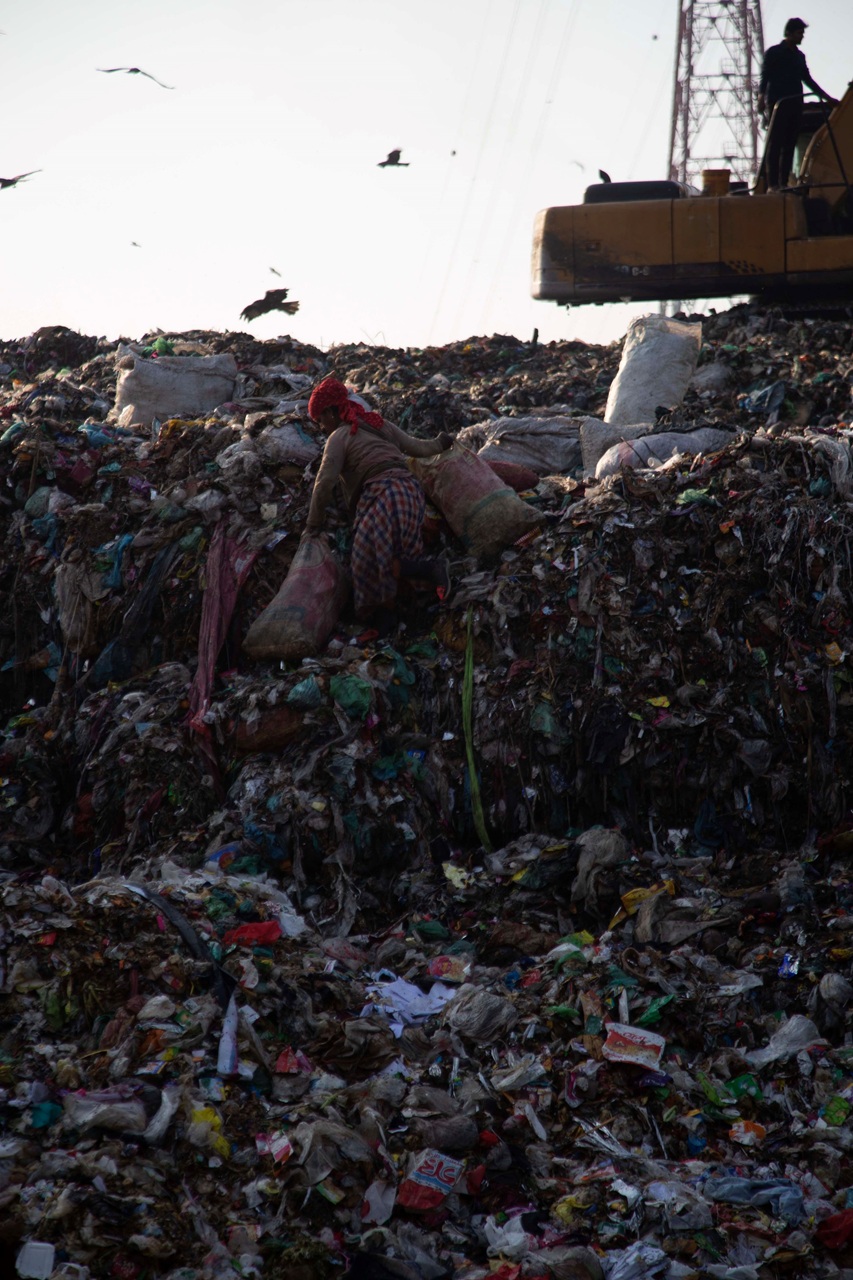
They recover tonnes of recyclable materials every day. They reduce landfill pressure. They cut down the need for new raw materials. Their labour quietly supports an informal recycling chain that keeps parts of the economy moving. They work without safety gear, health insurance or recognition. Yet they endure.
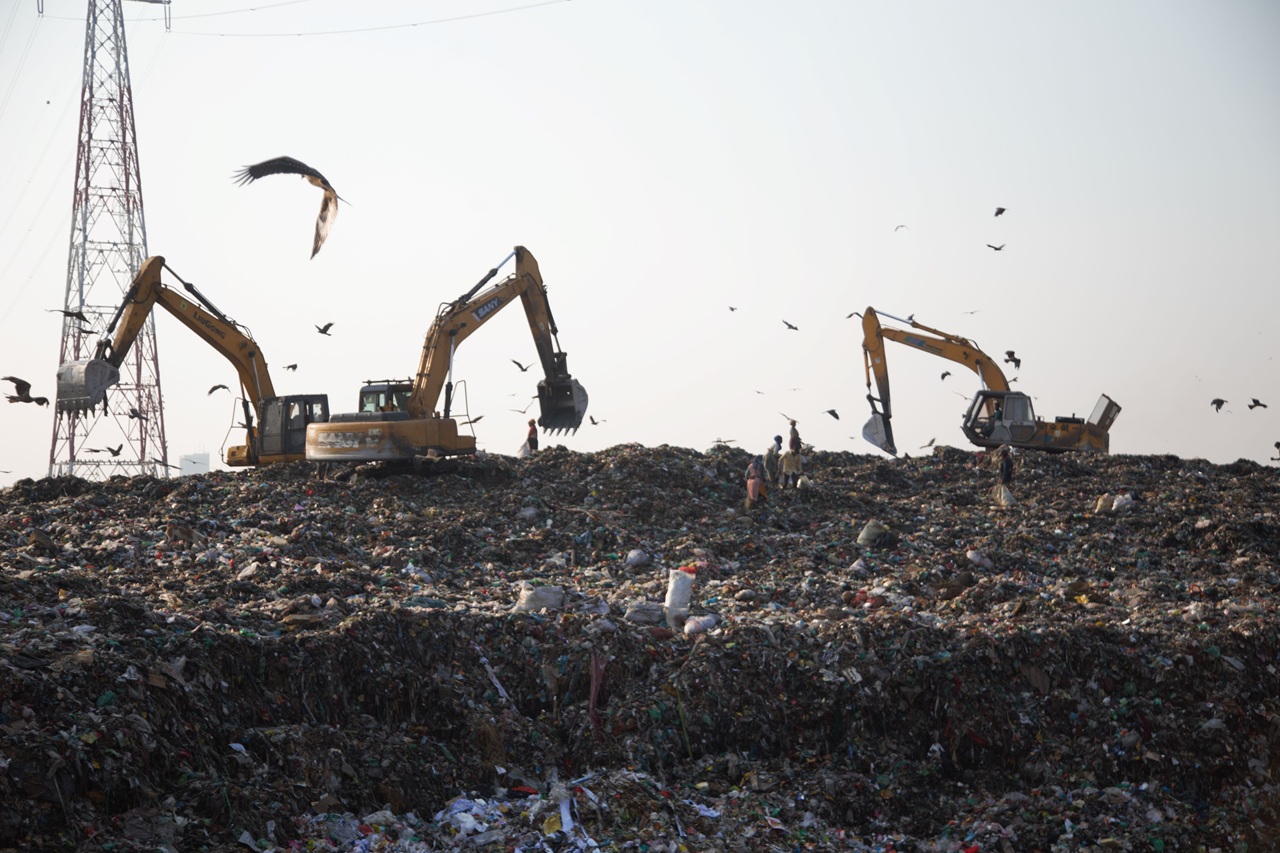
In the shadows of towering garbage hills, they build fragile hopes. A better room to rent. A stable job one day. A different future for their children. From the city’s waste, they salvage survival and in doing so, they remind us that even in the harshest places, resilience finds a way to stand.