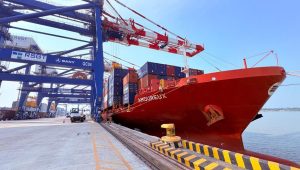
A shortage of lighter vessels, driven by an ongoing fuel crisis, is significantly slowing cargo unloading at Chattogram Port’s outer anchorage, with turnaround times for bulk carriers more than doubling, according to port users and industry officials.
The bulk carrier Bright Falcon, carrying wheat from Argentina’s Bahia Blanca Port, arrived at the outer anchorage on 25 March. Under normal conditions, such vessels complete unloading and depart within five to seven days. However, the ship remained at anchorage until 13 April, highlighting the growing delays.
Port users say the situation is widespread, with nearly all mother vessels carrying bulk cargo facing similar disruptions due to a sharp decline in the availability of lighter vessels.
These smaller vessels are essential for transferring goods from large ocean-going ships anchored offshore to inland destinations. Around 70 to 75 percent of Bangladesh’s bulk imports—including food grains, fertiliser, sugar, cement clinker and industrial raw materials—are handled this way.
Industry representatives say unloading a 50,000-tonne vessel, which typically takes five to six days, is now taking between 12 and 15 days. Mashiul Alam Swapan, general secretary of the Berth Operator, Ship Handling Operator and Terminal Operator Owners Association, says the delays are directly linked to fuel shortages limiting the number of operational lighter vessels.

The slowdown is also increasing costs. Operators say vessel owners are incurring daily demurrage charges of between $20,000 and $25,000, depending on ship size. These additional expenses are expected to be passed on to consumers through higher prices of imported goods.
Lighter vessel owners say the crisis has left a large number of vessels idle. Mehbub Kabir, secretary of the Bangladesh Cargo Vessel Owners Association, says at least 200 lighter vessels are currently out of operation due to fuel shortages.
He says repeated appeals for adequate fuel supply have not been addressed. “Four of my own vessels are out of operation because of fuel shortages,” he said, adding that the issue had been raised with the shipping minister around 10 days ago without response. He warned that operations could come to a complete halt if fuel supply is not restored.




According to industry insiders, a shortage of lighter vessels had already existed before Ramadan, but the situation has worsened due to fuel supply disruptions linked to the war in the Middle East.
The Bangladesh Water Transport Coordination Cell, which allocates lighter vessels, has also been affected. While it previously held daily allocation meetings, it is now meeting less frequently due to the reduced number of available vessels.
Parvez Ahmed, spokesperson for the cell, says 70 to 80 lighter vessels are currently allocated per meeting, but extended turnaround times are creating a cascading shortage. He says it previously took around 15 days to deliver cargo after unloading, but this has now exceeded 20 days.
He adds that government advice to ration fuel is not practical for maritime operations. “Without adequate fuel supply, maintaining the flow of goods through waterways will be extremely difficult,” he said.
There are around 2,000 registered lighter vessels operating at the port’s outer anchorage, including 1,022 under the Bangladesh Inland Water Transport Corporation and 629 owned by private operators.
Port data shows that as of 13 April, around 90 vessels were operational, with 74 stationed at the outer anchorage. These include ships carrying general cargo, food grains and cement clinker.
Chattogram Port Authority spokesperson Syed Refayet Hamim says operations at the port’s main jetties remain normal, while unloading at the outer anchorage is managed by private operators. He says a request has been made to ensure adequate fuel supply for lighter vessels.
Despite the delays, overall congestion has not yet reached critical levels. Port users say import volumes have declined slightly after Ramadan, and fewer ships are arriving from the Middle East due to regional tensions.
The Bangladesh Water Transport Coordination Cell formally alerted the government to the crisis in a letter sent to the power and energy minister on 30 March, also seeking intervention from the finance and planning ministries.
In the letter, the organisation warned that limited fuel supply to marine dealers is preventing suppliers from meeting demand, severely affecting lighter vessel operations. It cautioned that ships are struggling to load regularly or depart after unloading, raising the risk of a complete disruption to cargo handling if the situation persists.