A playground that once echoed with children’s voices now carries the rhythm of vendors calling out prices. A skating rink sits under a thin layer of stagnant water, as if waiting for someone to remember it. These are not abandoned spaces by design, but by neglect.
In Lalmatia, the problem is not the absence of parks; it is the quiet disappearance of their purpose. On paper, the neighbourhood has seen progress. Public spaces have been renovated, boundary walls raised, and new facilities installed. But step inside, and a different reality unfolds.
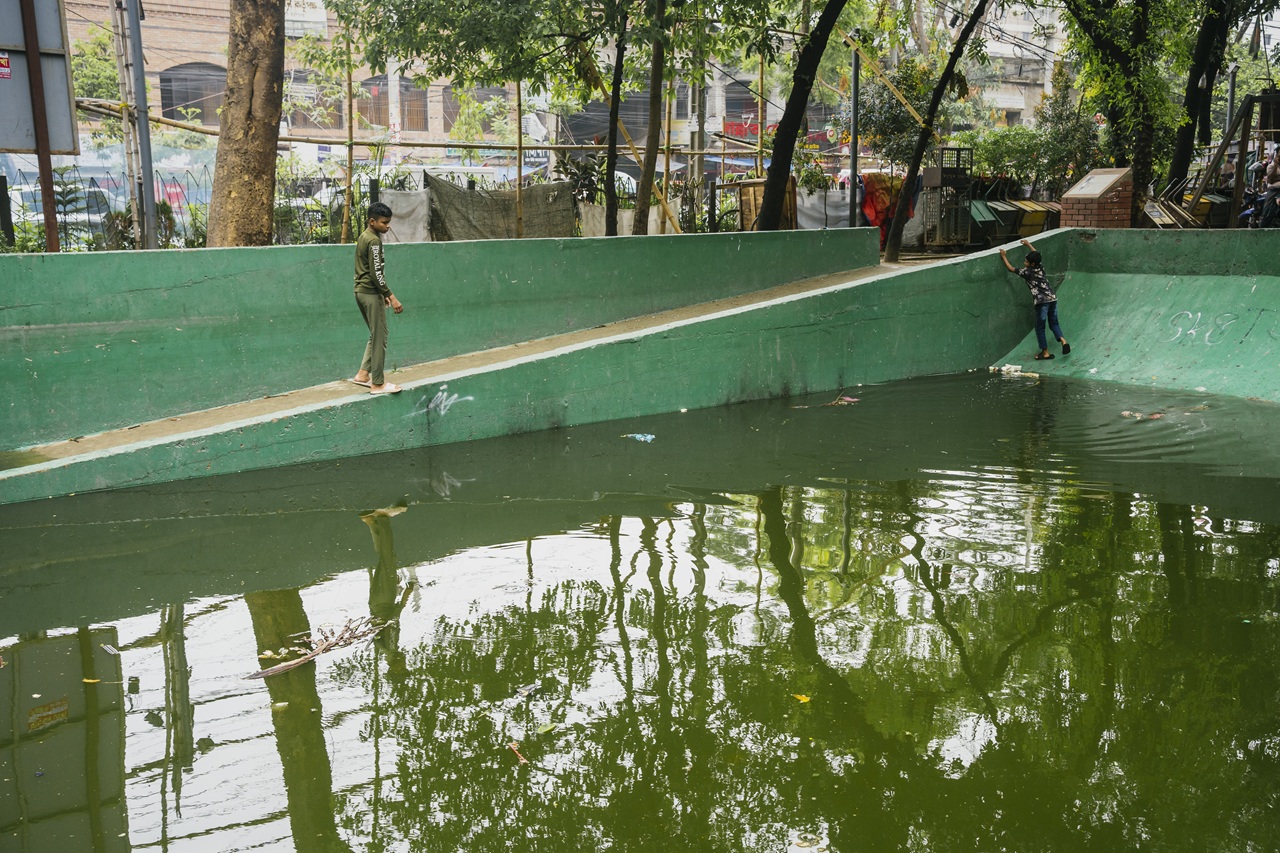
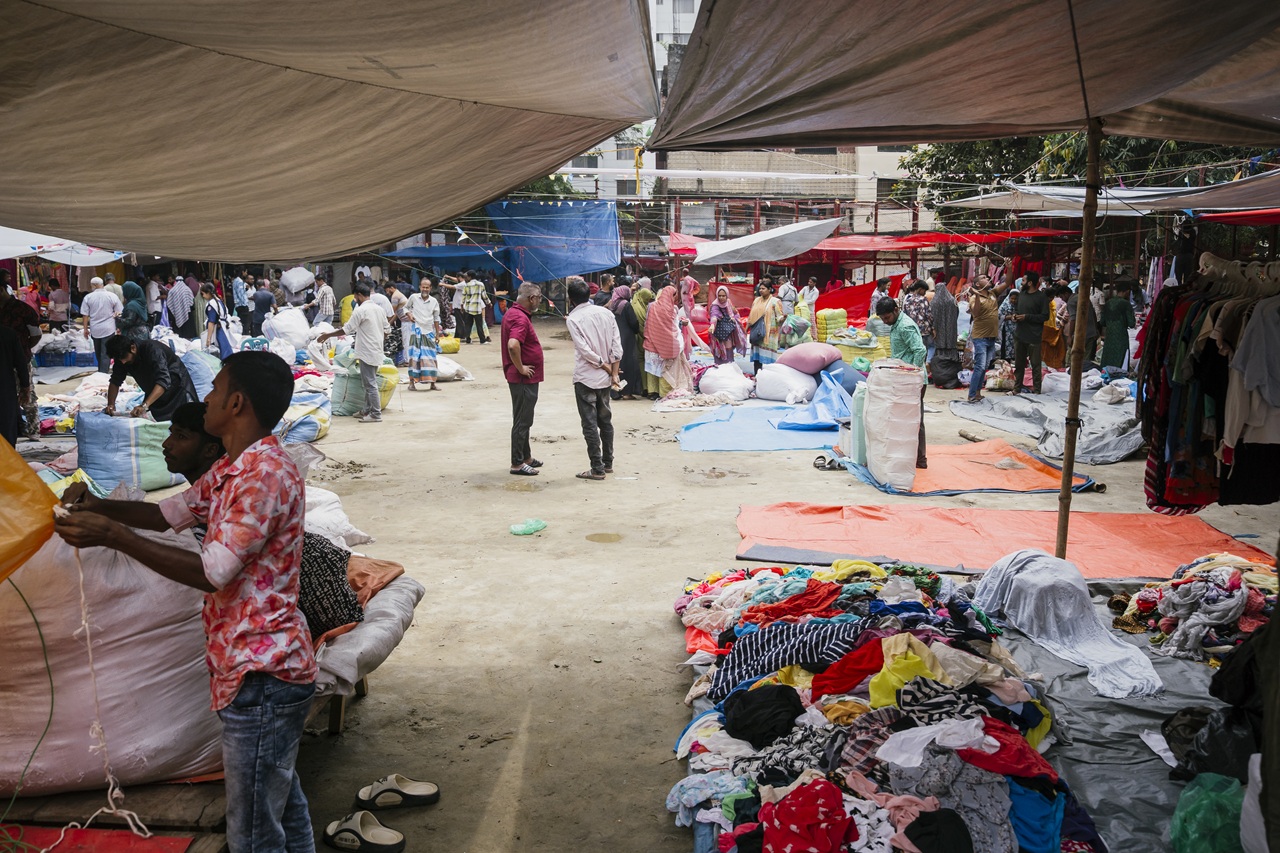
At Lalmatia Triangular Park, a skating rink remains submerged under stagnant water, unusable in the absence of proper drainage. Nearby, the Zakir Hossain Road Playground has been overtaken by a makeshift bazaar, where tarpaulins stretch overhead, and vendors display piles of clothes where children were meant to play.
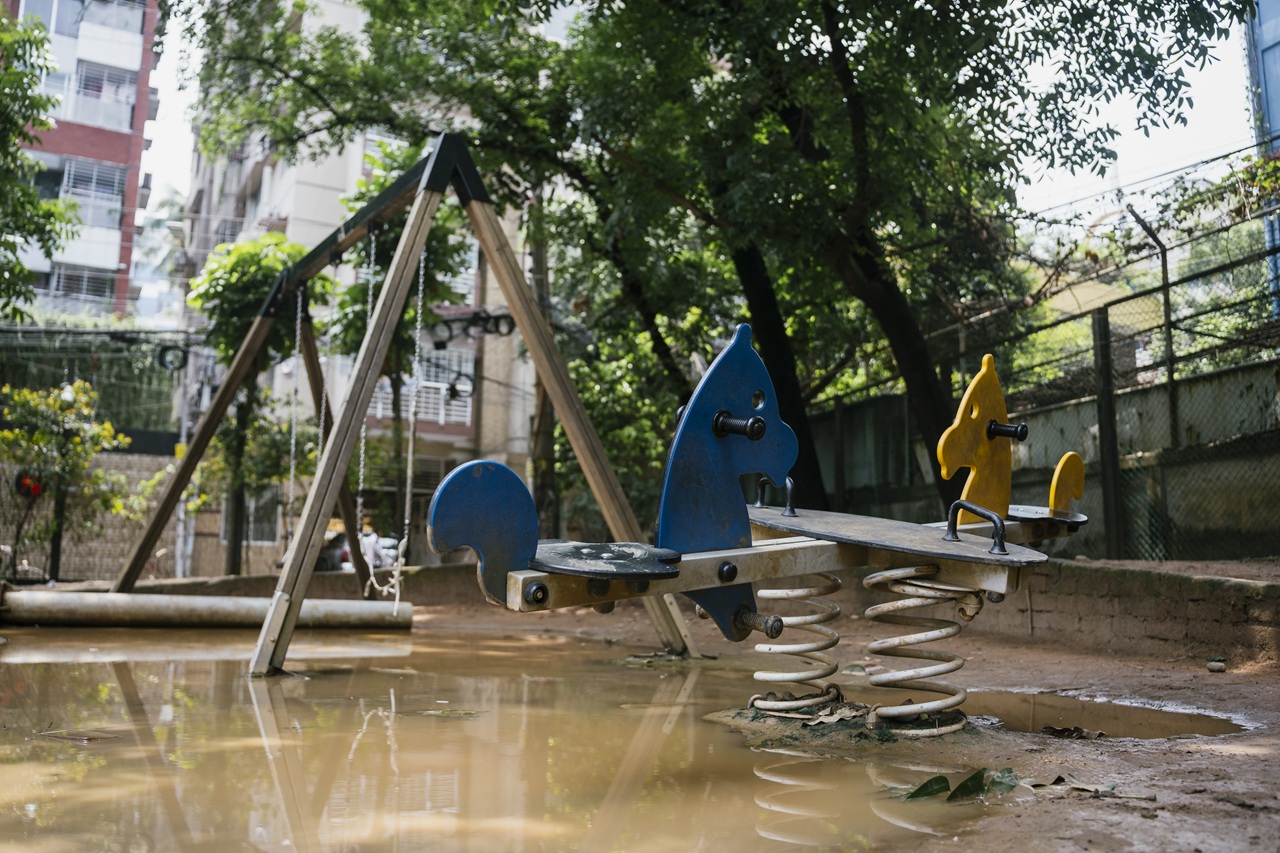
At the D Block Playground, broken equipment, muddy potholes, and green stagnant water have turned a once-vibrant field into an unsafe and uninviting space.

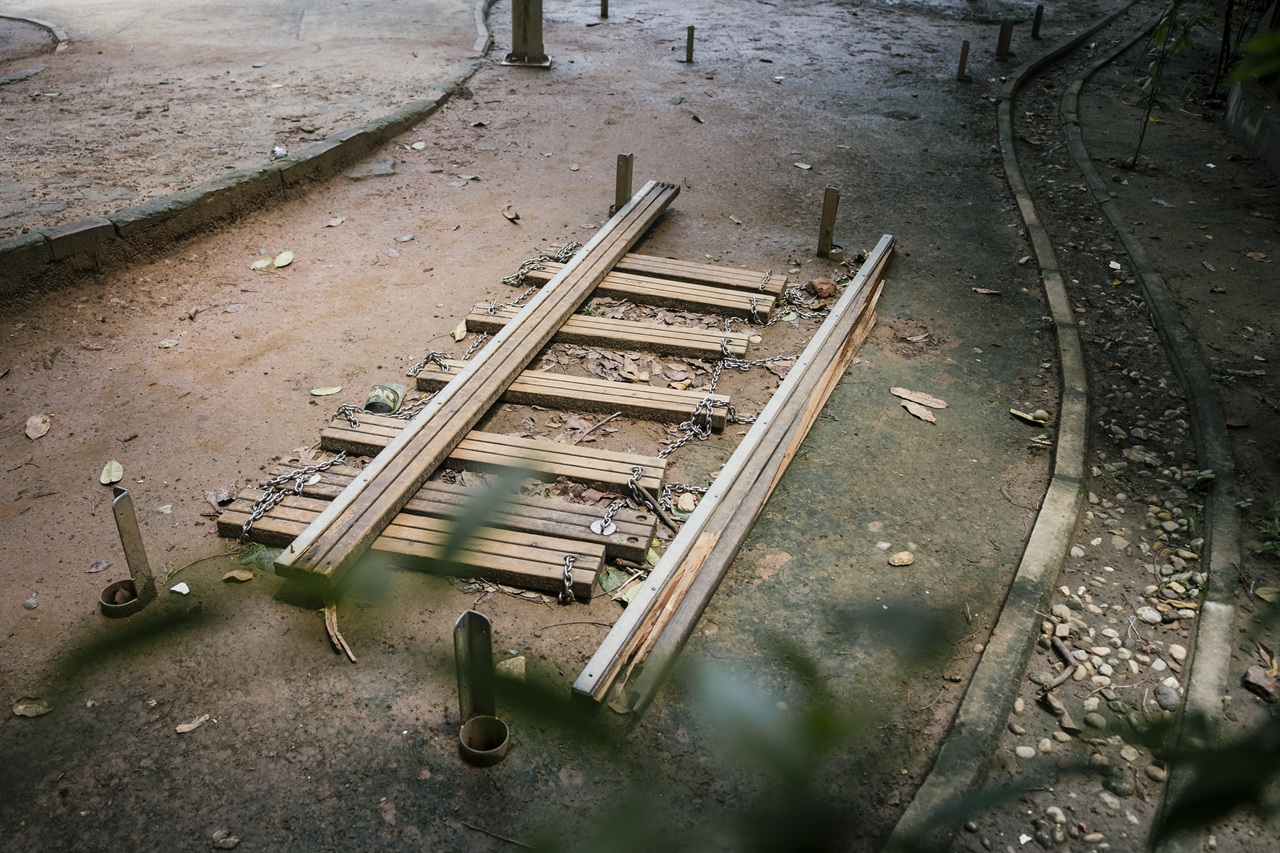
Although these parks underwent recent renovation efforts, with new facilities and boundary structures in place, their current condition reflects a familiar urban failure: the absence of consistent maintenance.
For residents, this decline is not just visible; it is deeply felt. Local resident Promiti Prova Chowdhury recalls a time when the D Block field was a thriving social hub. “Previously, the field was a well-maintained and popular destination for residents.



It was considered very safe, with women frequently seen jogging even after 10:00 pm,” she said. Families gathered, children played, and students spent hours there, enjoying a space that felt both accessible and secure.
That sense of safety has since eroded. Poor lighting, accumulating waste, and visible disrepair have altered not only the condition of the park but also who feels comfortable using it. “Since August 5th, there has been a drastic deterioration in hygiene and structural upkeep,” she added.
Tareq Mahmood echoes this frustration, pointing to a breakdown in upkeep. “Maintenance has collapsed; the area is now filled with litter,” he said. Potholes fill with rainwater, swings remain unusable, and even a hanging bridge lies broken. “The once-inviting walkways are now visually horrible,” he added.
What is unfolding in Lalmatia is not isolated, but a pattern. Urban development often prioritises construction over continuity, creating spaces that look complete at launch but lack systems to sustain them.
As conditions deteriorate, people withdraw. Women stop jogging at night, families stop visiting. What remains is not a shared public space, but a fragmented one—stripped of the community it once held.
Lalmatia’s parks are not beyond repair. But their current state raises a pressing question for Dhaka: what does it mean to build, if we do not maintain?