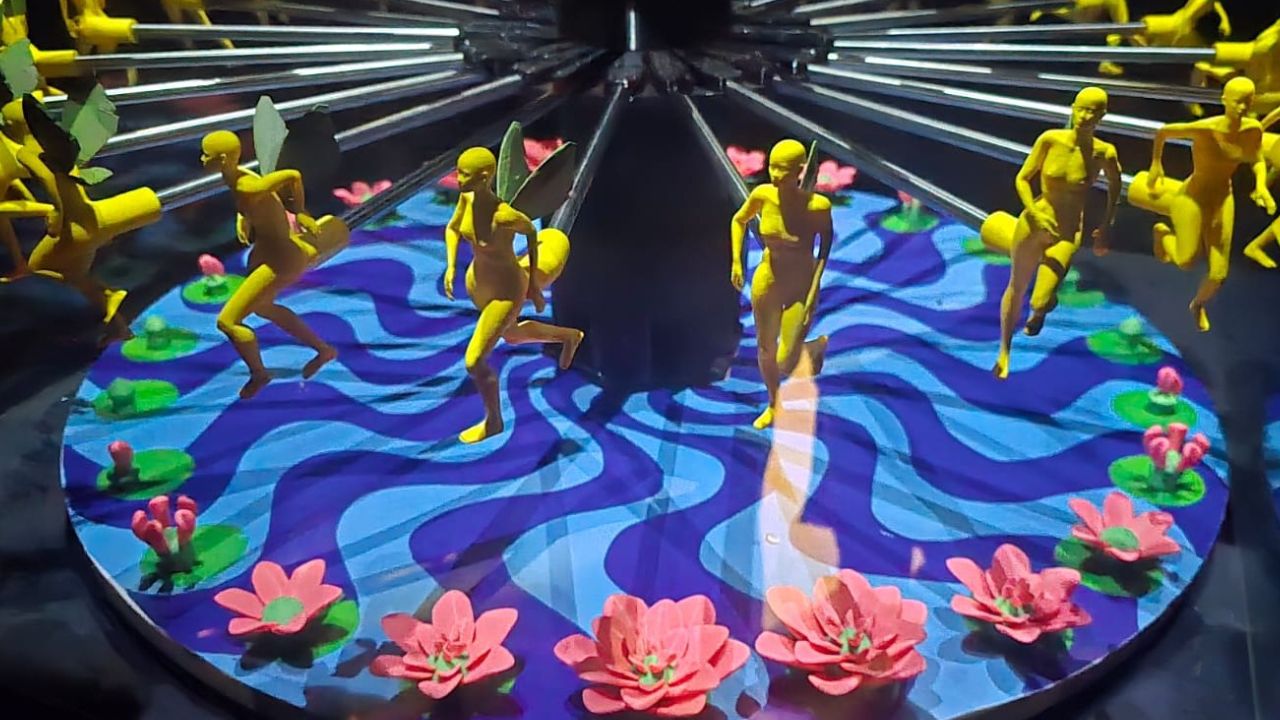
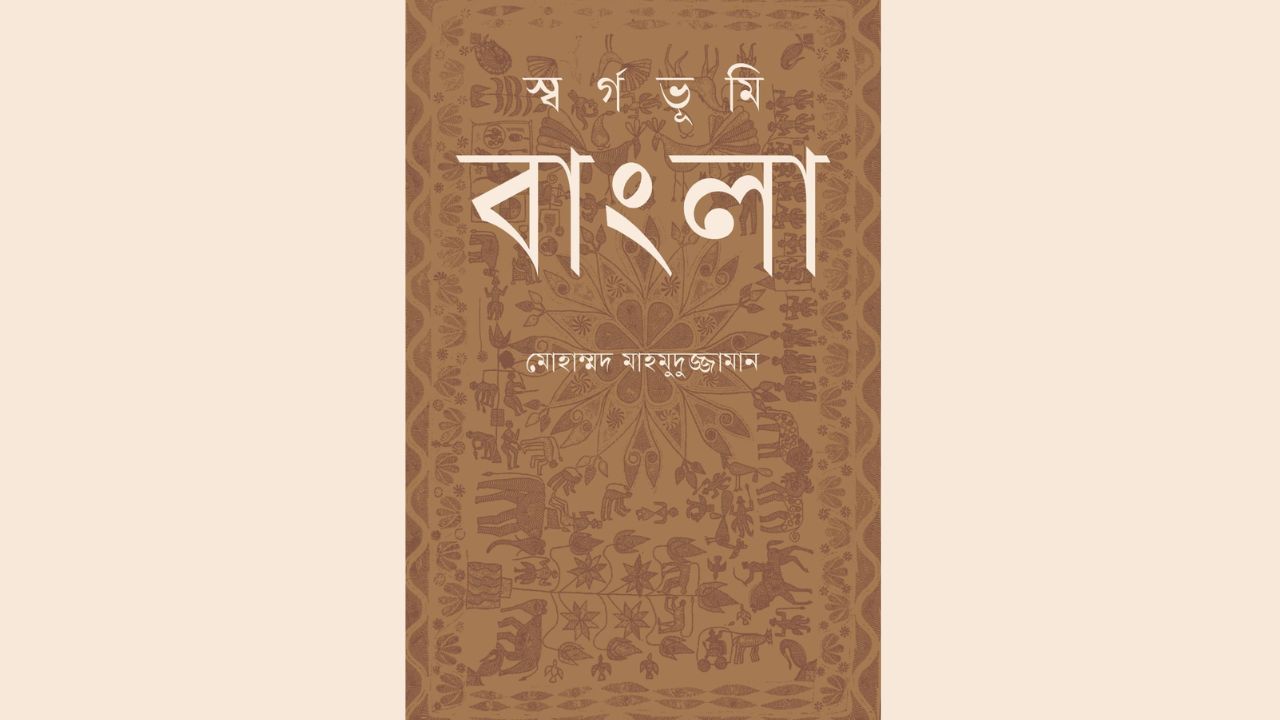
In 2025, Dhaka’s cultural landscape continued to flourish through sustained international engagement, with foreign cultural centres playing a notable role in shaping the city’s artistic and intellectual life. Alliance Française de Dhaka (AFD), the Indira Gandhi Cultural Centre (IGCC), Goethe-Institut Bangladesh, the British Council in Bangladesh, the Russian House in Dhaka and the EMK Centre stood out as key spaces where global cultures intersected with local creative energies throughout the year.
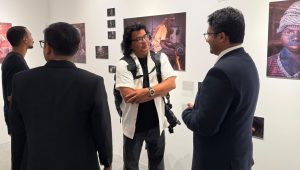
Alliance Française de Dhaka remained one of the city’s most vibrant platforms for contemporary cultural expression. Over the course of the year, the centre hosted a wide range of visual art exhibitions, independent film screenings, live music performances and literary discussions across its Dhanmondi and Gulshan venues.
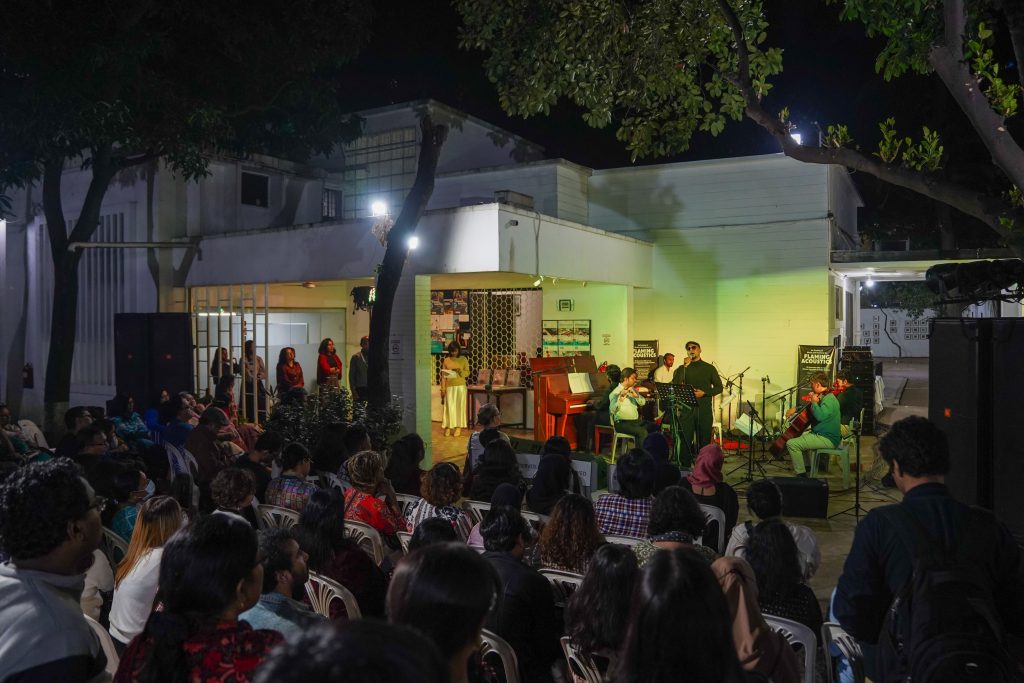
Its collaborative initiatives, often bringing together Bangladeshi and international artists, kept AFD at the heart of Dhaka’s visual and cinematic conversations. A strong focus on emerging voices and experimental work ensured continued engagement from younger artists and audiences.

The organisation also underwent a leadership transition in 2025, with outgoing director François Grosjean handing over responsibilities to François Chambraud. The new director reaffirmed his commitment to expanding the scope and scale of AFD’s cultural programming in the years ahead.
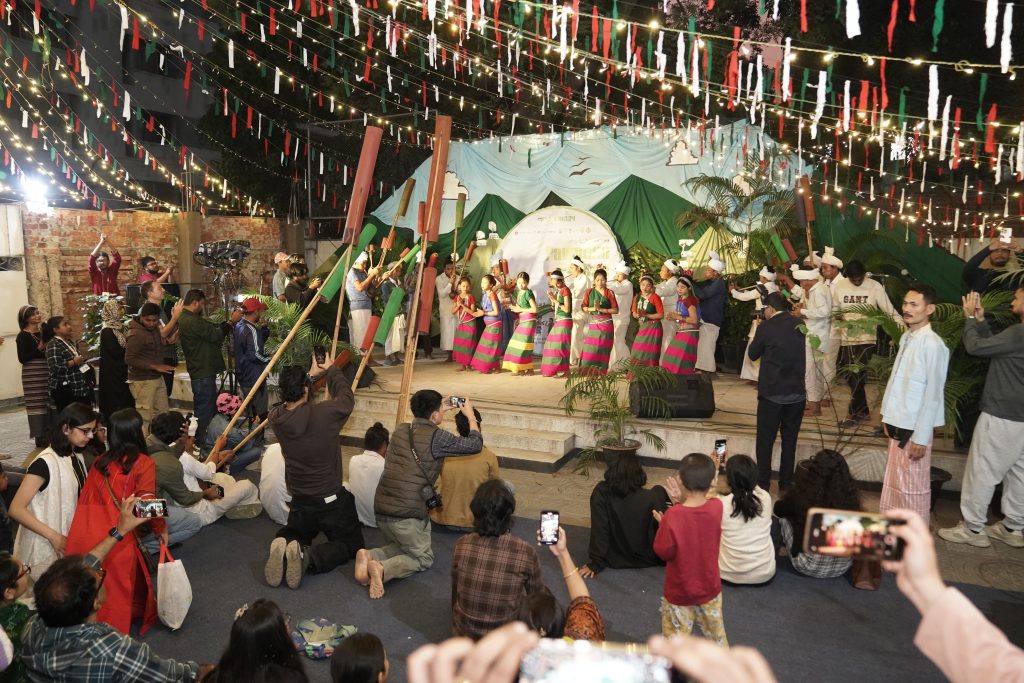
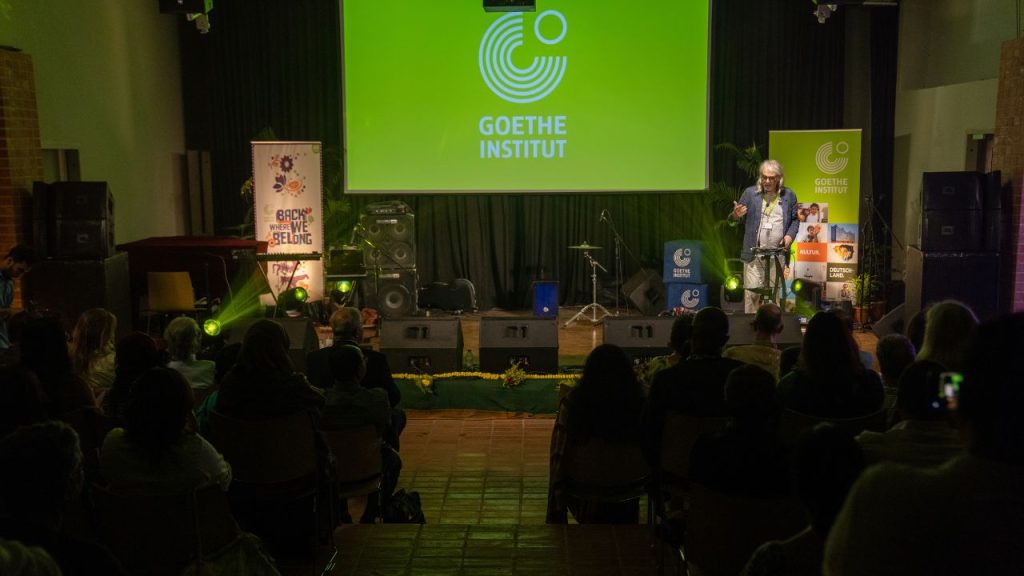
Goethe-Institut Bangladesh sustained its reputation as a space for critical dialogue and socially engaged art. In April 2025, the institute returned to its original Dhanmondi premises after spending two years at Drikpath Bhaban in Panthapath during renovations.



“Since returning, we have organised discussions, exhibitions, film screenings, book launches and other events exploring themes such as climate change, migration, memory and urban life,” said programme coordinator Khandaker Md Mahmud Hassan. “By combining artistic practice with intellectual inquiry, we continue to attract students, researchers and artists seeking deeper engagement with global cultural debates, and we hope to offer even more, depending on the socio-political context in 2026.”
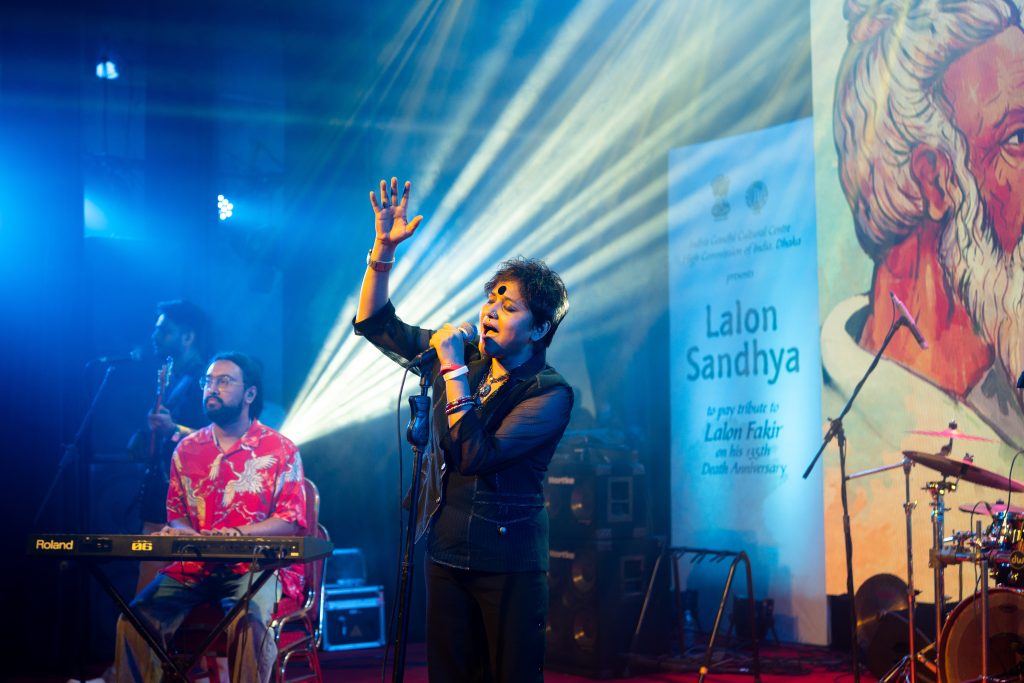
The Indira Gandhi Cultural Centre focused throughout the year on strengthening cultural ties between Bangladesh and India. Its programming centered on classical music and dance performances, alongside events commemorating major literary and artistic figures from the subcontinent.
Despite recent political tensions and incidents of mob-led violence that strained cultural relations, audiences interested in shared heritage and contemporary interpretations of traditional forms continued to attend IGCC events. The centre’s consistent programming reinforced its role as a cultural bridge between the two neighbouring countries.
The Russian House in Dhaka, formerly known as the Russian Cultural Centre, regained prominence in 2025 after a quieter period in recent years. It once again hosted several notable events. Filmmaker Tanim Noor described hosting the press conference for his upcoming film ‘Bonolota Express’ there as nostalgic, noting the venue’s connection to his debut film ‘Phirey Esho Behula’ in 2011.
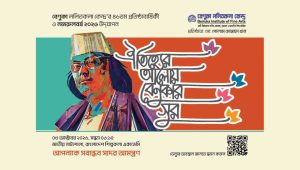
Other international spaces, including the British Council at Fuller Road and the EMK Centre in Gulshan, also hosted a number of significant events during the year, with further programmes scheduled in the coming months.
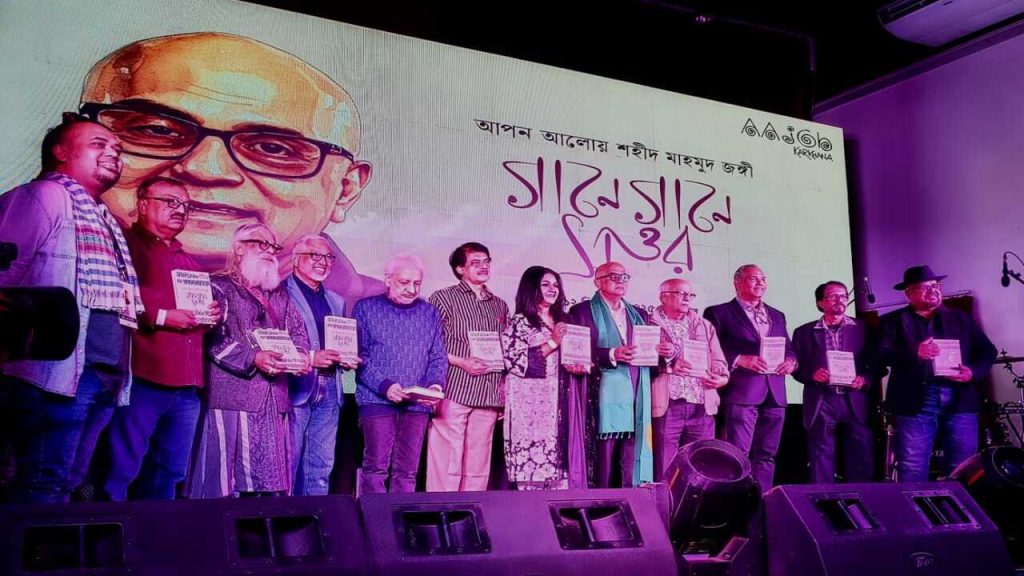
Collectively, these institutions from Bangladesh’s friendly nations helped position Dhaka as a city of active intercultural exchange in 2025. Beyond individual events, their year-round presence enriched the capital’s cultural rhythm, offering audiences sustained access to global art and ideas.
In an evolving urban cultural landscape, these centres played a quiet yet influential role in keeping Dhaka’s cultural dialogue open, diverse and outward-looking throughout the year.