




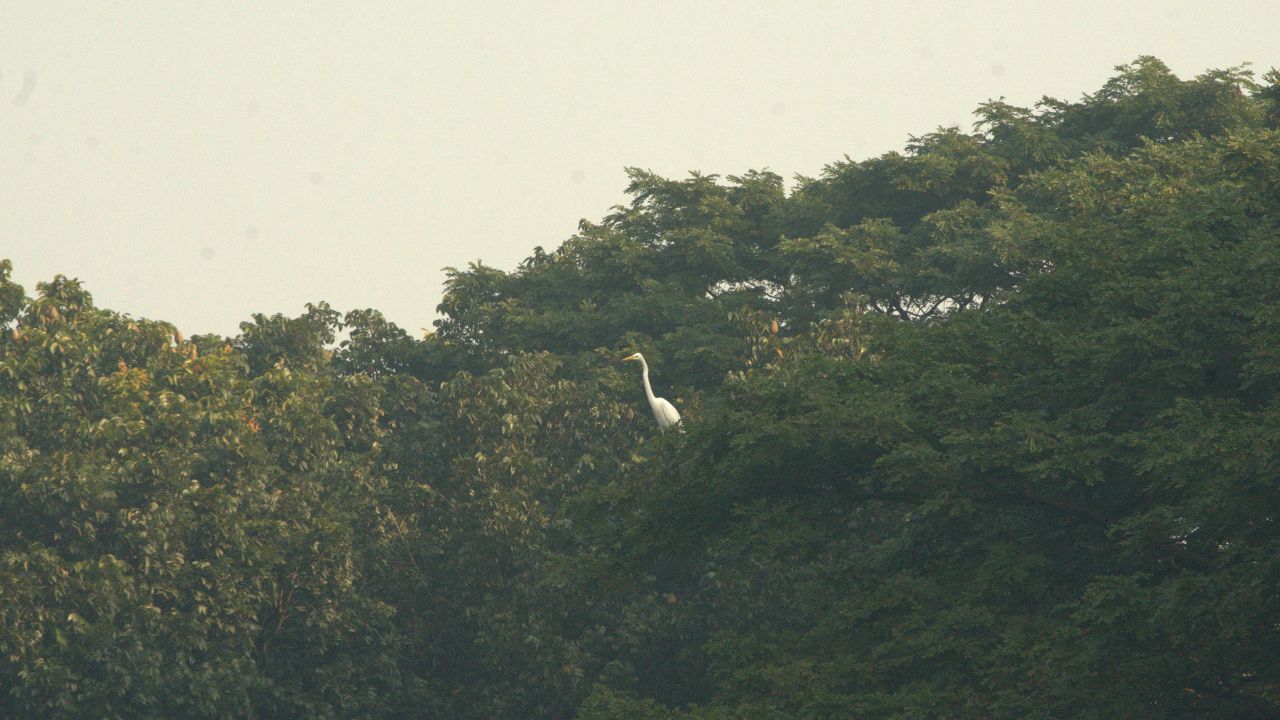

Not too long ago, every winter, Jahangirnagar University turned into a sanctuary of birds. Wings fluttered, water rippled. Lesser whistling ducks filled the lakes like scattered brown petals. But that scene is fading fast, and the silence is growing.
Auritro Sattar, a young researcher from the Department of Environmental Science, has been closely monitoring this change. He said, “The decline began immediately after the COVID lockdown. When human activity returned in full force, the birds began to disappear. Their numbers fell. Their species diversity shrank.”
“By 2022, the drop became impossible to ignore. The lakes stopped feeling like home for the birds. The lakes that once welcomed winter guests like Monpura, 20 Mile, Transport, Alberuni, the New Registrar, and Botanical Garden lakes began to change,” he added.

Noise grew. Big construction projects kept running. The chaos got louder every day. Nights were no better. Harsh lights glared across the lakes. The water became dirtier. Vegetation died. Food became scarce. The habitat weakened, and the birds left early.
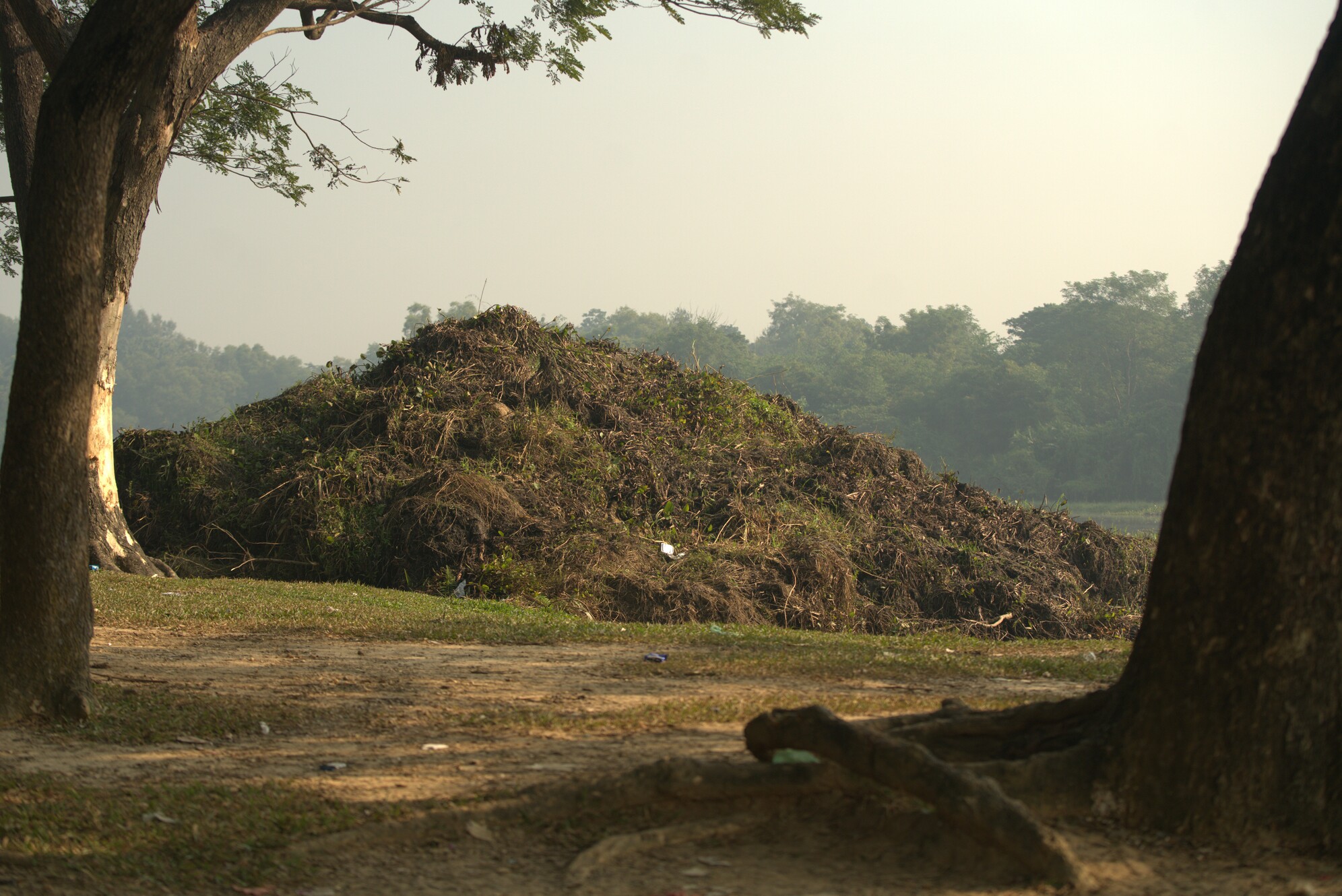
The breaking point came in 2024, the unplanned lake-cleaning. It destroyed the delicate balance birds depend on. Aquatic plants were removed. The lakebeds were disturbed. The water became bare and unstable. Auritro noted the peak-area bird count dropped to fewer than 200. “They didn’t even stay until mid-winter. They left by early December,” he said.




The university could not act in time to restore the lakes. As a result, the habitat never stabilised. Even so, this year Monpura lake saw between 200 and 700 birds, largely because JACSU intervened and cleaned a portion of it. A student, Sijen Sarker, even recorded rare visitors like the African Knob-billed Duck and the Fulvous Whistling Duck returning. The signs of recovery are still visible, if fragile.
About 1,500 birds came to Jahangirnagar University this winter, almost all of them gathering at the WRC lake, the only lake still untouched by human intervention. The rest of the campus is changing fast. Expanding infrastructure, new buildings and constant movement of people have squeezed the natural spaces birds once relied on.
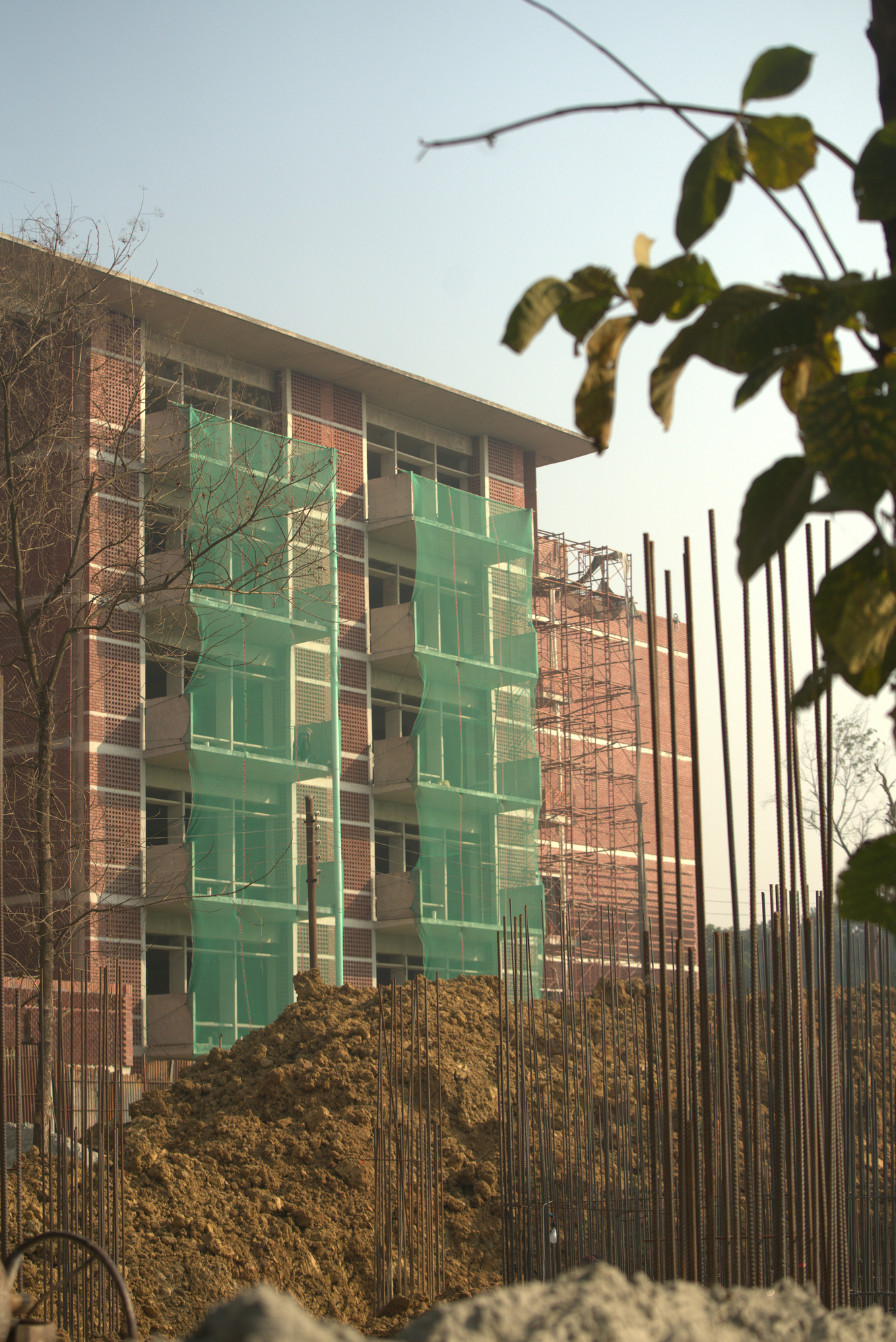
Day and night, sound pollution from construction, traffic and campus activities disrupts their feeding and resting patterns. Fish-farming leases in the lakes are set to worsen the pressure, turning quiet habitats into active work zones. As a result, only species that tolerate humans are still holding on. The rare migrants, the true winter guests that once defined JU’s identity, are simply leaving.
The birds still want to return. Their instincts pull them back to these lakes every winter. But instinct alone cannot save them. The lakes must feel like home again, quiet, clean, alive with plants, insects and shelter.
If JU acts now, once seen heaven won’t become an archive of a lost past. It can become a blueprint for revival. Because not long ago, Jahangirnagar University was a paradise for migratory birds, and it can be again.








