Tahrim
The vibrant world of media in Bangladesh, often portrayed as a beacon of truth and public service, conceals a harsh reality for many workers. Despite years of promises, journalists in both electronic and print media remain trapped in a cycle of low wages, job insecurity, and unfulfilled government commitments.
Khalid Ibn Mizan, a reporter for a private television channel, said his compensation is far from adequate. The salary he receives is determined by his employer, with little transparency or standardisation. There’s no wage board that dictates his pay, leaving him to wonder whether his hard work will ever be properly valued.
Similarly, Shamsul Haque Ripon, a photojournalist with 14 years of experience in the industry, is still paid a fraction of what his counterparts working under a wage board earn.

“I am a senior photojournalist. Those who work under the wage board earn between 55,000 and 65,000 Taka. My salary is nowhere near that amount,” Ripon said.
Increased frustration among media workers
For many media professionals, the lack of wage board has led to growing frustration and feelings of betrayal.


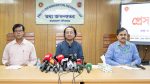

Mina Ferdous, a reporter at Channel One, told TIMES, “We have no security. If the wage board were implemented, it would ensure some financial protection for us. But we continue to work in a system that leaves us vulnerable.”
Starting salaries for television journalists range from 15,000 to 20,000 Taka, and after several years of work, the pay rarely exceeds 30,000 to 35,000 Taka. For many workers, this is insufficient to meet their needs.
The strain of unstable careers
Mina adds that after three or four years of working in some television channels, there’s no increment or adjustment in pay. “In the past five years, I’ve only seen my insecurity and financial stress increase. The situation is getting worse,” she says.
Another reporter, who wished to remain anonymous, explains the issue of unequal treatment, “If you have references, you can get a raise. Otherwise, you’ll remain stuck with a low salary.”
“I have seen many colleagues living alone. They have nothing left; they don’t even have the opportunity to save,” he said.
The wage board’s implementation remains incomplete in newspapers
The 9th Wage Board was presented in October 2018, and its gazette was published on 12 September, 2019, with a salary increase of 80-85%. However, the very next day, the Newspaper Owners Association of Bangladesh (NOAB) went to court, stating that the wage structure was not feasible and that no newspaper could implement it.
On April 27, 2023, the Bangladesh Newspaper Employees Federation and the Bangladesh Federal Union of Newspaper Press Workers demanded proper implementation of the 9th Wage Board, announcement of the 10th Wage Board, payment of outstanding dues, and enforcement of labour laws.
For Bangladesh’s media professionals, the question remains: How long can they continue in their roles without proper financial protection, security, and recognition?