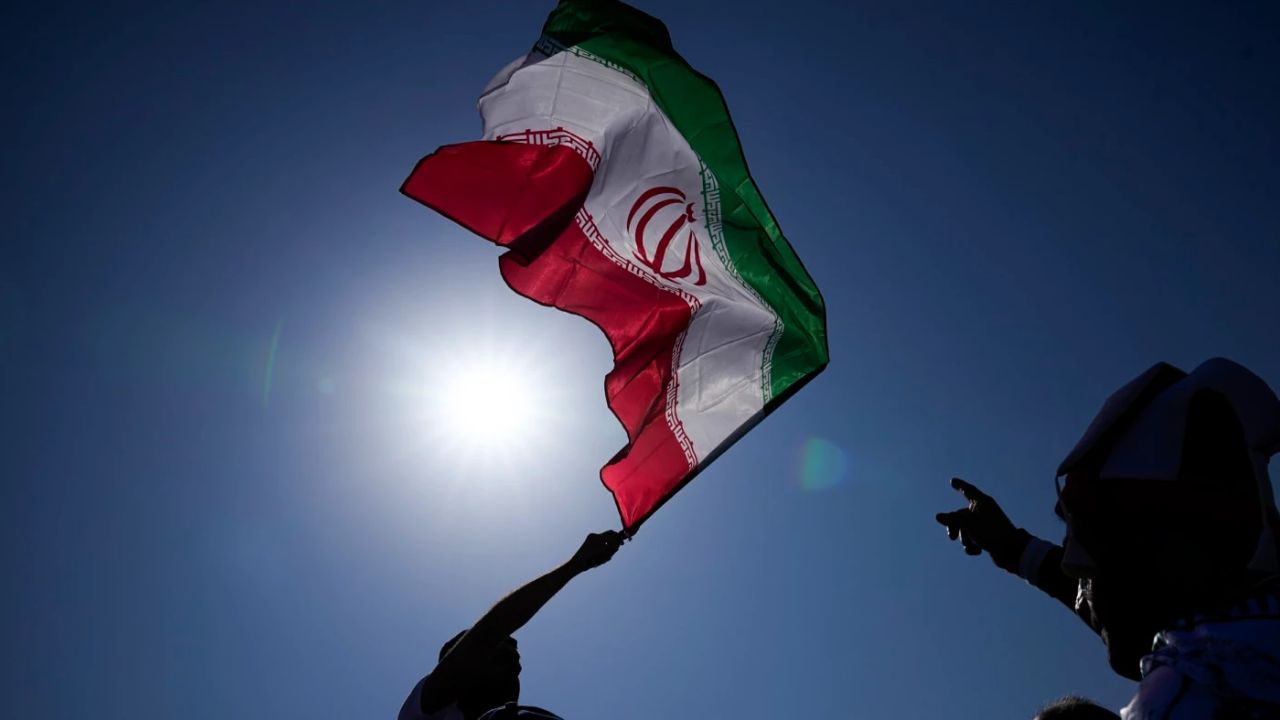
Iran’s Supreme Leader Mojtaba Khamenei has issued a firm directive stating that the nation’s near-weapons-grade uranium must not be sent abroad, according to two senior Iranian sources.
This hardening of Tehran’s stance directly challenges one of the primary demands made by the United States during peace negotiations.
The order from Mojtaba potentially frustrates US President Donald Trump and adds further complexity to talks aimed at concluding the US-Israeli war against Iran, reports Reuters.
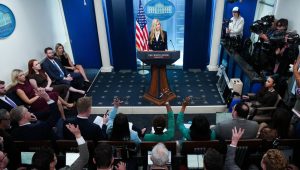
On Thursday, Trump asserted at the White House that the US would never permit Iran to retain its stockpile of highly enriched uranium. Speaking to reporters, he stated, “We will get it. We don’t need it; we don’t want it. We’ll probably destroy it after we get it, but we’re not going to let them have it.”
Israeli officials have reportedly received assurances from Trump that any peace settlement must include a clause for the removal of the stockpile, which is critical for developing atomic weapons.

While Western nations and Israel long have accused Iran of pursuing nuclear arms – highlighting its 60 percent uranium enrichment as being far beyond civilian requirements – Tehran continues to deny such ambitions.
Israeli Prime Minister Benjamin Netanyahu has maintained that the conflict will only end once the enriched uranium is removed, ballistic missile capabilities are eliminated, and support for proxy militias ceases.
An Iranian source, speaking anonymously, confirmed the Supreme Leader’s directive reflects a consensus within the establishment that the stockpile should remain in the country.



Top officials in Tehran believe that transferring the material abroad would heighten the nation’s vulnerability to future strikes from the US and Israel. As Supreme Leader, Khamenei maintains the final authority on all significant state affairs.
When approached for a statement, White House spokeswoman Olivia Wales remarked, “President Trump has been clear about the United States’ red lines and will only make a deal that puts the American people first.”
The Iranian foreign ministry offered no response to requests for comment.
A precarious ceasefire currently holds following the outbreak of hostilities on 28 February, sparked by US-Israeli strikes on Iran. Peace efforts mediated by Pakistan remain stalled due to a US blockade of Iranian ports and Tehran’s continued control over the Strait of Hormuz, a critical global oil route.
Internal suspicion remains high among Iranian leadership that the current pause in fighting is merely a tactical ruse by Washington. Iran’s chief peace negotiator, Mohammad Baqer Qalibaf, claimed on Wednesday that “obvious and hidden moves by the enemy” indicate the Americans are preparing for fresh assaults.
Trump warned on Wednesday that the US is prepared to resume attacks if Tehran rejects a peace deal, though he suggested a short grace period to receive “the right answers”.
Although sources indicate that some negotiating gaps have narrowed, profound disagreements persist regarding the nuclear stockpile and Iran’s demand for recognised enrichment rights.
Iranian officials emphasise that their priority is securing a permanent end to the war and obtaining credible guarantees against future aggression. They suggest that detailed nuclear negotiations will only follow such assurances.
Although Iran previously signalled a willingness to export half of its 60 percent enriched uranium, sources indicate this position shifted following Trump’s repeated threats of military action.
While Tehran has threatened a “crushing response” to any new attacks, an Iranian source hinted at potential “feasible formulas” for resolution. One suggested solution involves “diluting the stockpile under the supervision of the International Atomic Energy Agency.”
IAEA estimated Iran held 440.9 kg of 60 percent enriched uranium before the June 2025 attacks, though the current surviving amount is unknown. IAEA chief Rafael Grossi noted in March that over 200 kg is likely stored in a tunnel complex at Isfahan, with additional amounts possibly at Natanz.
Iran maintains that some highly enriched material is essential for medical research and its Tehran reactor.