Iran has ruled out any plans to hold direct talks with the United States in Islamabad, even as Washington confirmed that senior envoys are travelling to Pakistan for discussions linked to regional tensions.
Iranian Foreign Ministry spokesperson Esmail Baghaei said in a post on X that Tehran has not scheduled any meeting with US officials in the Pakistani capital.
He dismissed speculation about a possible bilateral engagement, adding that Iran’s “observations would be conveyed by Pakistan” during ongoing diplomatic contacts, reports Al Jazeera.
Baghaei also confirmed that Iran’s Foreign Minister Abbas Araghchi has arrived in Islamabad for meetings with senior Pakistani officials.

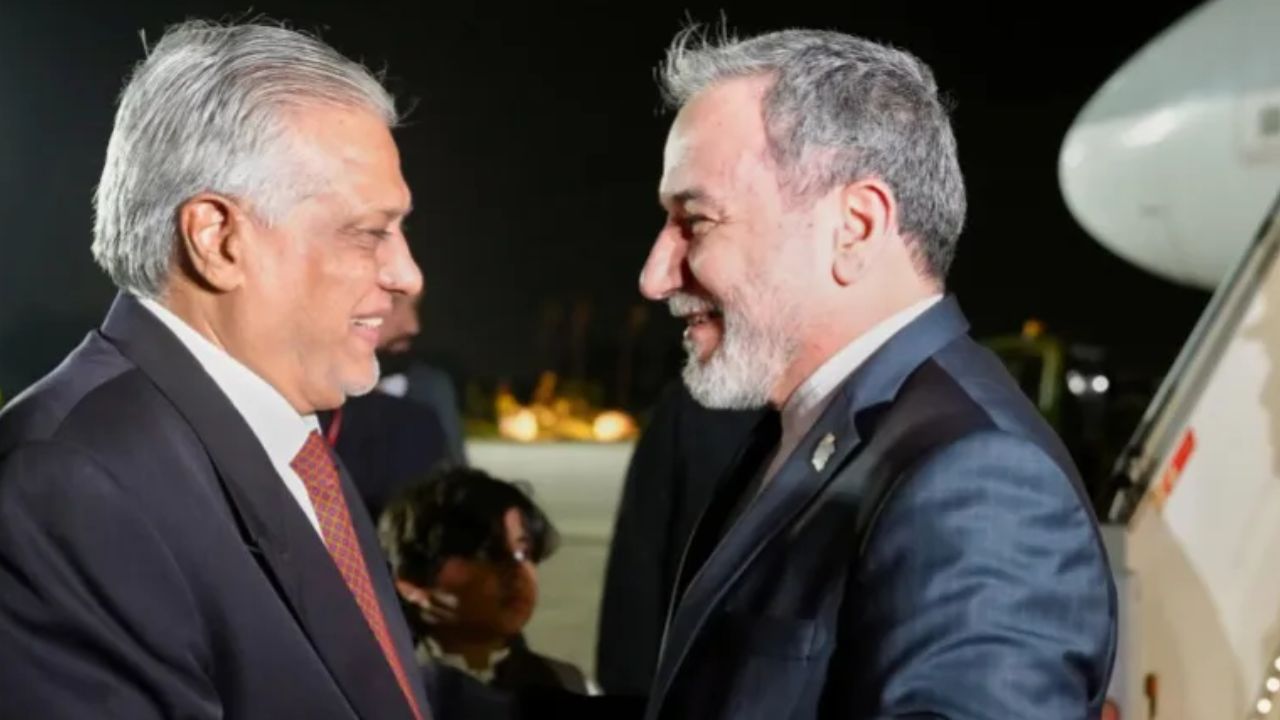
The visit, he said, forms part of Pakistan’s mediation efforts aimed at “ending the war imposed by the United States and restoring peace in the region.”
Meanwhile, the White House announced that US envoys Steve Witkoff and Jared Kushner will travel to Islamabad on Saturday for talks related to Iran.




Despite this, Iranian officials reiterated that no direct meeting with American representatives is planned “at least for the moment.”
Diplomatic sources in Islamabad say Pakistani mediators remain “cautiously optimistic” about the prospects for eventual dialogue, particularly following Araghchi’s arrival as part of a broader regional tour that includes stops in Moscow and Muscat.
However, significant obstacles remain. Iran has pointed to the United States’ blockade of the Strait of Hormuz, imposed more than a week ago, as a major impediment to progress in negotiations.
Tehran has also emphasised the need for firm guarantees from Washington regarding future commitments, reflecting deep-rooted mistrust between the two sides.
Despite the current impasse, analysts note that diplomatic channels remain open.
Pakistan, which has increasingly positioned itself as a mediator, continues to engage both sides in an effort to reduce tensions and lay the groundwork for potential future talks.