


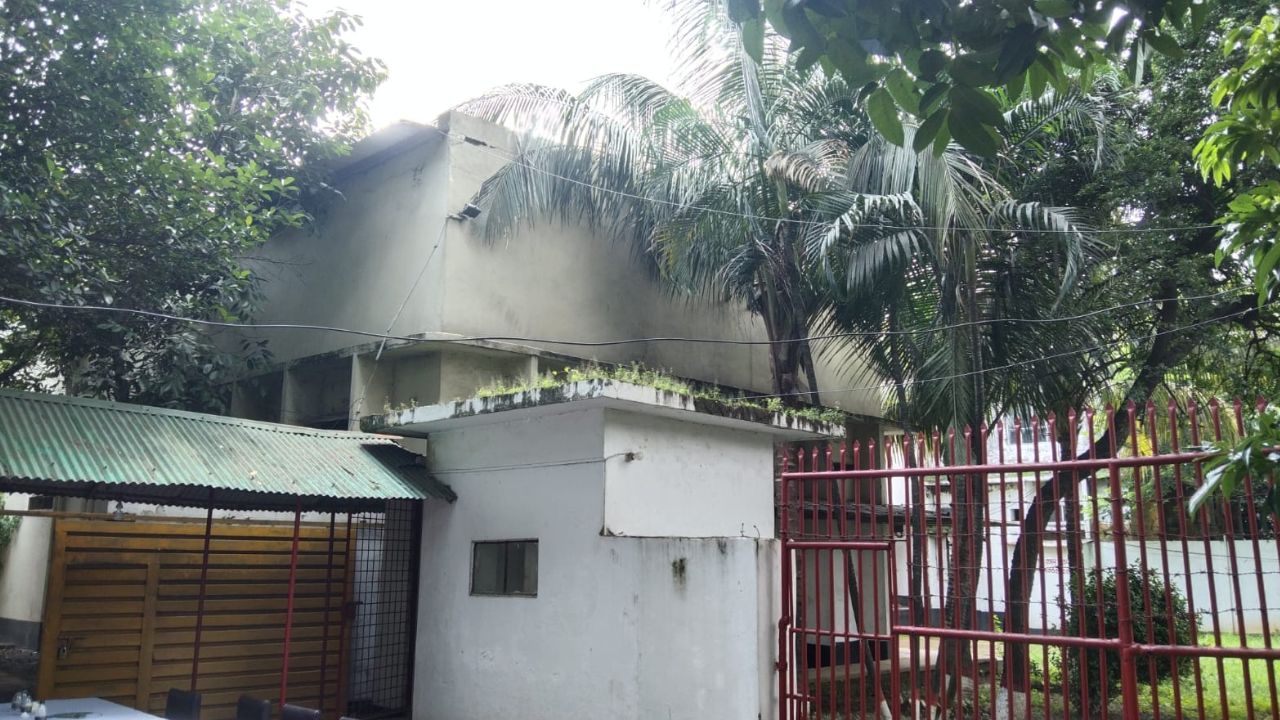
Beneath the overarching branches of large jackfruit trees and a few nearby coconut palms, the scene appears tranquil. To a casual observer, the two-storey tin-shed building located within the RAB-1 Battalion compound in Uttara’s Airport area seems unremarkable.
An armoury stands beside the structure, and to the north-west, a large iron cage – reportedly once used for a dog squad – sits nearby. From the outside, there is no hint of what lay within the building’s walls.
However, once past the doorway, the environment shifts abruptly. The air is heavy and stifling. A few minutes inside is enough to leave one drenched in sweat. There are no windows. Some rooms are so narrow that a person cannot stand upright, while in others, it is difficult to rise once seated. Minimal light or air penetrates the space.
On Saturday, three judges of the International Crimes Tribunal-1 (ICT-1), accompanied by a prosecution team and defence lawyers, entered the building to witness this facility firsthand. The visit was conducted as part of the investigation and trial of cases involving crimes against humanity and allegations of enforced disappearance.
The delegation was led by the Chairman of Tribunal-1, Justice Md Golam Mortuza Majumdar, and included members Justice Md Shafiul Alam Mahmud and Judge Md Mohitul Haque Enam Chowdhury.
They were joined by Chief Prosecutor Md Aminul Islam, and prosecutors Mizanul Islam, Gazi MH Tamim, Faruk Ahmed, Shyikh Mahdi, Shahidul Islam Sardar, SM Moinul Karim, and Tasmirul Islam.
Also present were Enforced Disappearance Commission member Nur Khan Liton, Member of Parliament for the reserved women’s seat Sanjida Islam Tulee, and defence lawyers Tabarak Hussain and Amir Hossain.
The 41-inch cells
The most striking feature of the interior is the series of cramped cells. One measures only 41 inches in height, while another is 53 inches. Neither allows a full-grown adult to stand normally, nor is there enough space to lie down in a natural posture.
One visitor said the size and construction of these rooms bear little resemblance to standard prison cells. Some eyewitnesses have likened them to “chicken cages.”

Inside the cells, drainage is provided for human waste, yet there are no windows, ensuring the interior remains dark even during the day. Reports suggest that individuals were detained in these rooms for days, months, and even years.
The design ensured total isolation. Detainees remained unaware of who occupied the adjacent cell or what was occurring elsewhere in the facility.
Evidence of alterations
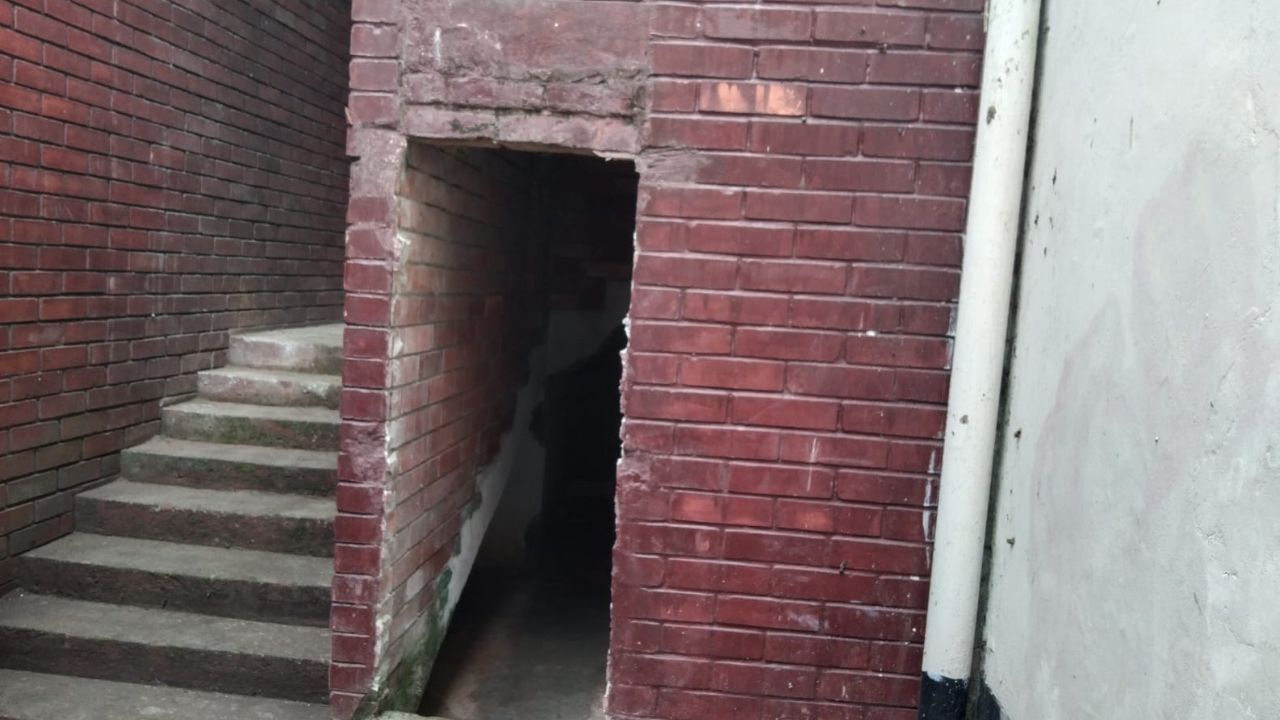
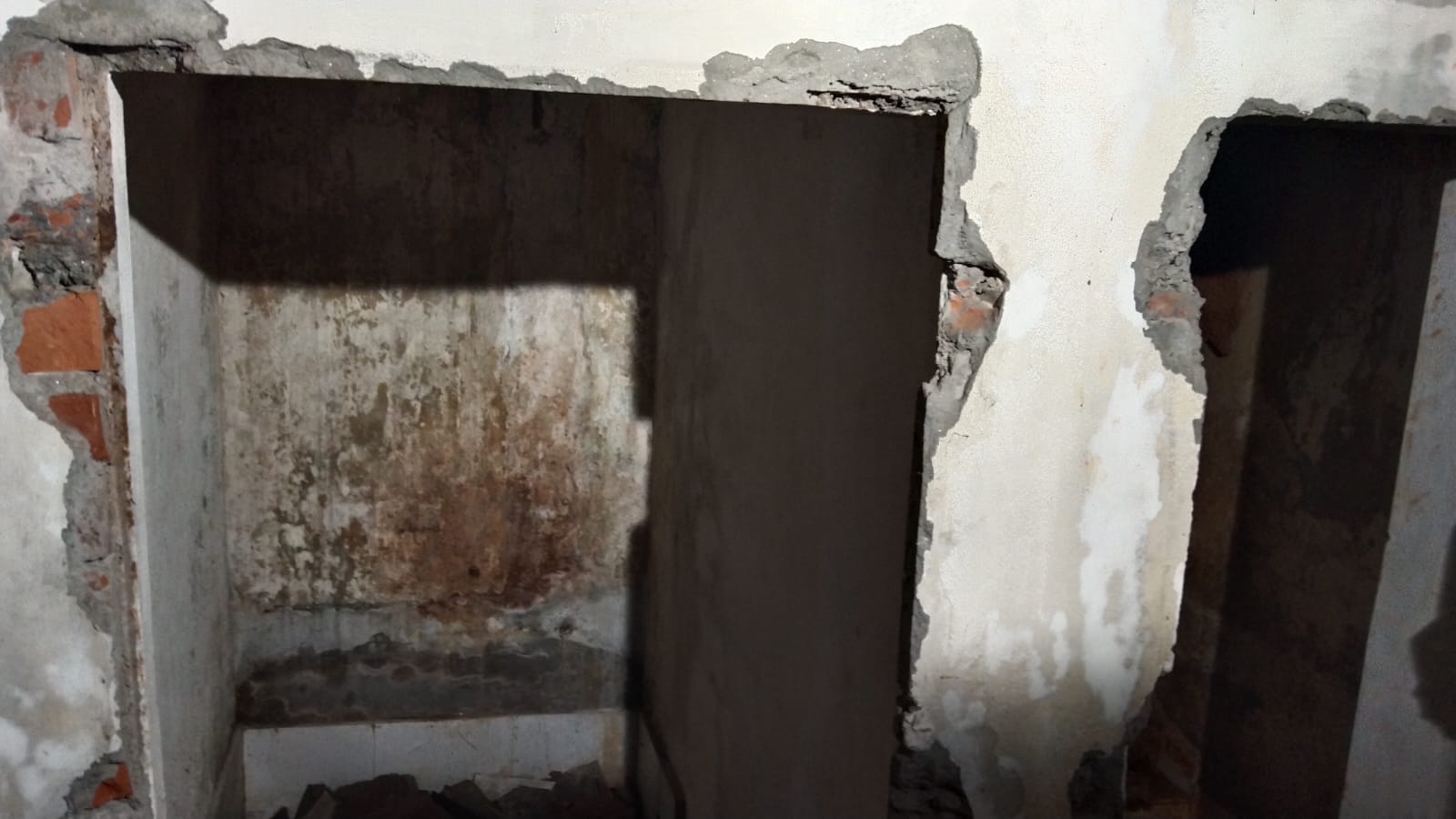
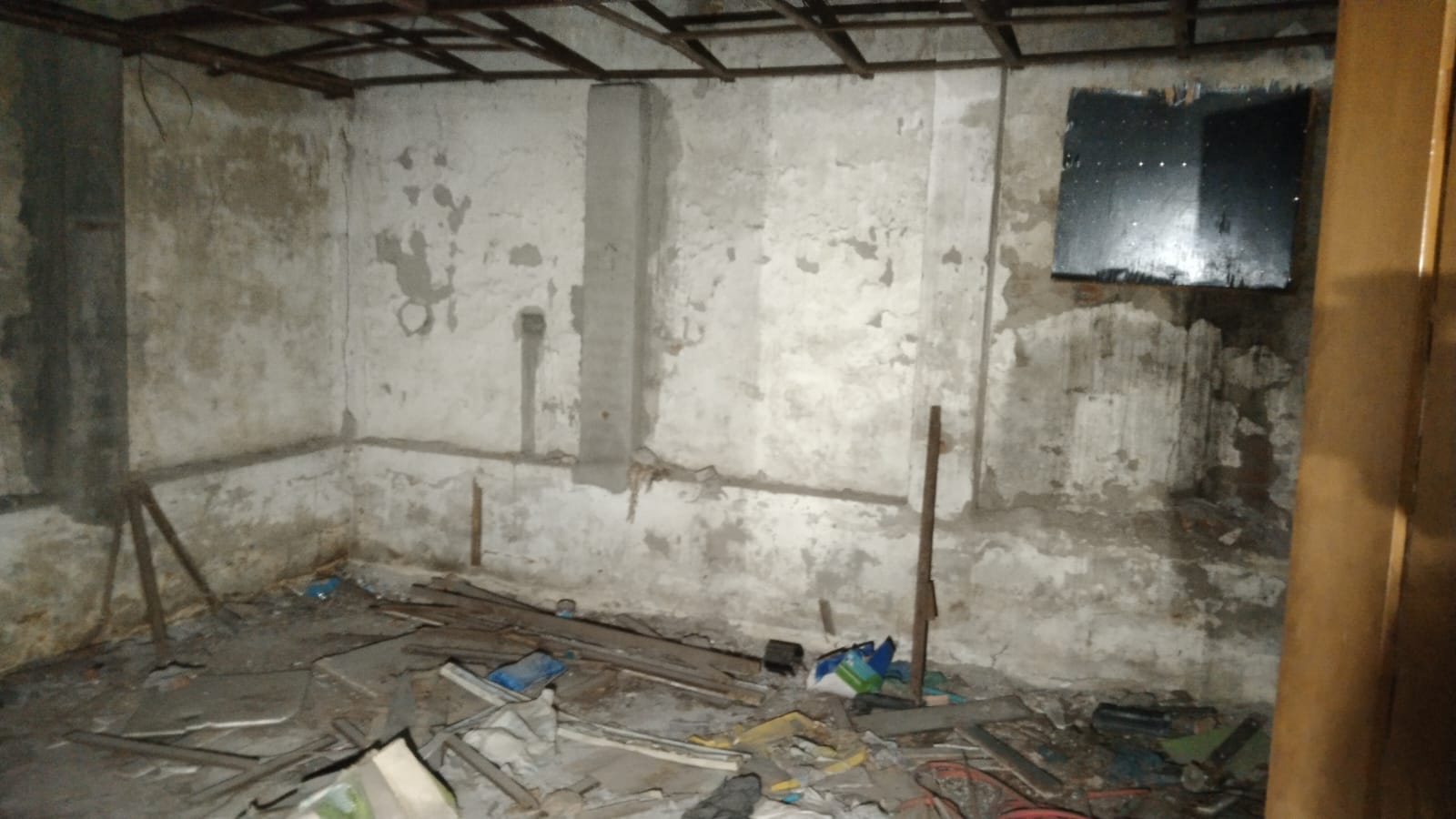
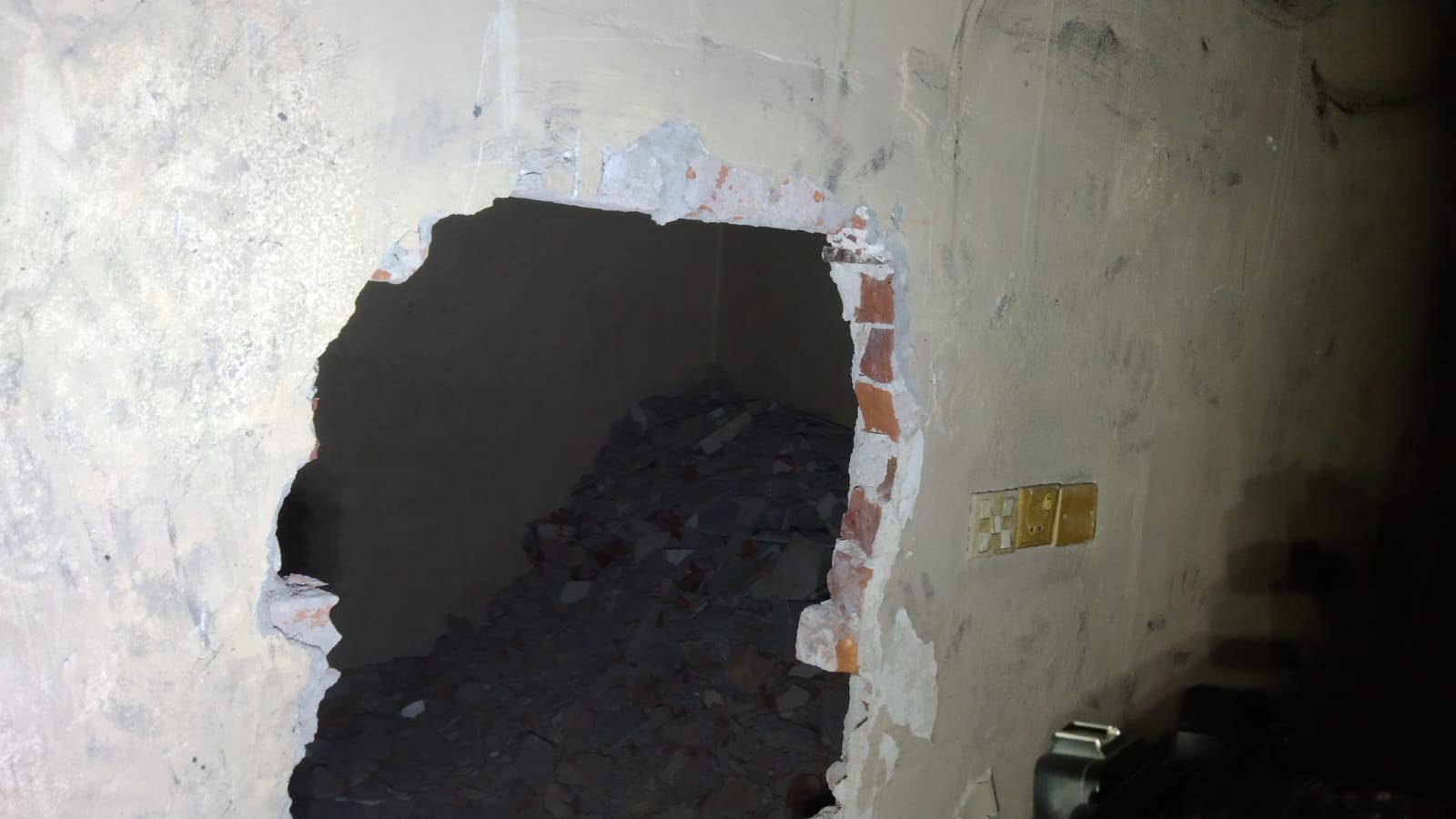
The building no longer appears exactly as it once did. Several walls have been demolished, making some areas seem larger. However, investigators were informed that these spaces were previously divided into small rooms and partitions.
It was reported that one large area originally contained six to seven tiny cells where a person could perhaps stand but was forced to sleep with their knees tucked. Evidence of new walls being constructed to hide the original structure was also observed during the inspection.
Prosecution sources believe that after 5 August 2024, changes were made to the walls, doors, and windows to destroy or conceal evidence related to enforced disappearances. Investigations are currently underway to identify those responsible for these alterations.
29 permanent cells
Records indicate the two-storey building contained 29 permanent cells. The ground floor housed 10 cells, each averaging 5 feet by 8 feet, including open toilets. Another section of the ground floor served as a barracks for the RAB members tasked with guarding the TFI (Task Force Interrogation) cell.




The second floor contained an additional 10 cells, averaging 14 feet by 4.5 feet, alongside two larger rooms referred to as “VIP cells” – one measuring 14 feet by 10 feet and the other 10 feet by 10 feet – both equipped with small toilets.
The second floor also housed the TFI cell and offices for RAB Intelligence Branch officers.
Near the entrance stairs were seven extremely narrow cells, averaging 2 feet by 4 feet, which were reportedly known as “Death Cells” or “Yom Cells.” When the number of victims increased, temporary cells were fashioned in the second-floor corridors using canvas or cloth partitions.
One building, two identities
Originally established as a facility for interrogating suspects, the building – commonly known as the TFI cell – allegedly became a notorious site for enforced disappearances during the Awami League government’s tenure under Sheikh Hasina.
The facility was reportedly managed by officers under the director of RAB’s Intelligence Branch. Most regular RAB members were barred from entering or knowing what transpired inside. To maintain secrecy, the site was allegedly referred to by the codename “Hospital.”
The prosecution alleges that as part of a structured system of enforced disappearances, RAB operated both independently and in coordination with other forces to carry out targeted abductions, detentions, and torture. It is further alleged that detainees from the TFI cell were sometimes moved to other secret locations.
While these allegations remain under judicial consideration, defence lawyer Tabarak Hussain said while the building is being called as “Aynaghor,” the prosecution must prove these claims in court.
The interrogation chambers
The upper floor housed interrogation rooms, three of which were reportedly soundproof. Detainees brought here were allegedly referred to as “subjects.”
Various instruments of torture were reportedly used in these rooms, including a revolving steel chair. Detainees were strapped into the chair and spun rapidly using an electric motor. Facilities for electric shocks were also present.
Reports further suggest detainees were suspended from the ceiling or tied to a ladder-like iron bed and rotated slowly, like the hands of a clock, to extract confessions. It is alleged that gruesome images of mutilated hands and gouged-out eyes were displayed on the walls to terrorise detainees.
These claims have yet to be independently verified in court.
Identifying the “death cell”
Victims have described one ground-floor room specifically as a “Death Cell.”
Chief Prosecutor Md Aminul Islam told journalists after the visit that several rooms had been identified based on victim descriptions. He said while the site initially did not match descriptions perfectly, the hidden cells were revealed after new walls were removed.
He added that over 250 disappeared persons remain missing, including former BNP organising secretary M Ilias Ali. Several rooms have been identified through the accounts of victims who returned after August last year, including the cell where Barrister Arman was allegedly held.
Missing stories
The total number and identities of those held at the TFI cell remain under investigation. Reports suggest that during Awami League’s rule, BNP-Jamaat activists and those suspected of militancy were detained there. Some eventually appeared in court; others were never seen again.
During the visit, family members of the disappeared became visibly emotional upon seeing the cells. They called for the trial of those involved and demanded state recognition and dignity for the missing.
The question of law
Under Article 33 of the Constitution of Bangladesh, any arrested person must be produced before a magistrate within 24 hours and informed of the grounds for their arrest. Similar protections exist under Sections 61 and 167 of the Code of Criminal Procedure (CrPC).
The chief prosecutor alleged that these constitutional and legal safeguards were ignored for those held at the TFI cell. The prosecution argues that prolonged detention without legal process, torture, and disappearance constitute crimes against humanity.
The investigation is also examining the role of political leadership under the principle of “superior command responsibility,” looking beyond those who executed the orders on the ground.
Purpose of the visit
The visit followed a 21 July application by the prosecution, after which Tribunal-1 decided to inspect alleged secret detention centres, including those of RAB, DGFI, and the DB.
The chief prosecutor said the inspection is part of the investigation into allegations that opposition figures were abducted, tortured, and disappeared during Awami League’s long rule. He added that the Tribunal’s rules of procedure, the Rome Statute, and Bangladeshi law all permit such site visits by judges.
As the building was opened to journalists following the inspection, the sense of desolation was palpable. Outside, there was the rustle of leaves and the routine activity of the RAB compound; inside lay windowless, dust-covered floors and cobwebs.
Despite the unassuming exterior, the core questions of the prosecution’s investigation remain within those walls: Why were these tiny cells built, who held people there, and what was their fate?