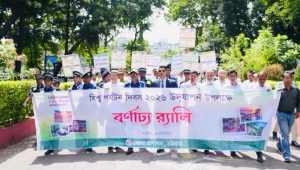
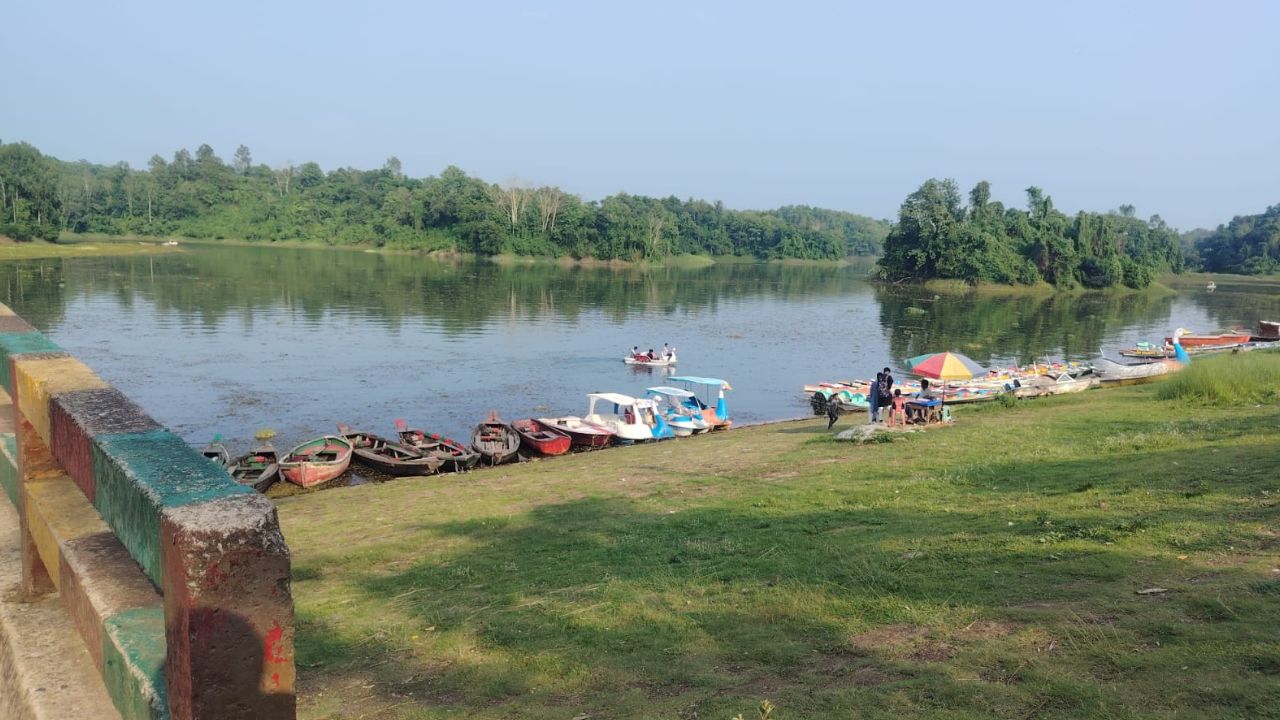



For a traveller, a mountain promises adventure – misty ridges, winding trails, and serene lakes. For the Indigenous communities rooted there for generations, that same peak is home, heritage, and identity.
Globally, tourism is bridging these worlds. Through eco-tourism and community-based tourism (CBT), visitors stay in local homestays, savour traditional food, and explore with Indigenous guides.
While eco-tourism safeguards nature, CBT puts locals at the centre of decision-making, ensuring spending directly benefits hosts, artisans, and small businesses.
For Bangladesh, particularly the Chittagong Hill Tracts, this powerful opportunity is ripe for the taking.
Groundwork for sustainable travel in Bangladesh is being laid.
With the Bangladesh Tourism Board’s Community-Based Tourism Guideline 2025 and earlier frameworks, policy steps are well underway. Now, the vital task is transforming policy into practical action: viable local enterprises and genuine community ownership, particularly across Indigenous regions.

Progress is already taking root on the ground. In 2025, the Bangladesh Tourism Board partnered with the ILO to launch a flagship CBT initiative in Jaflong’s Khasi Punjee.
Offering Khasi-led homestays, traditional meals, and authentic cultural experiences, this eco-friendly model boosts local income while safeguarding heritage and the environment.




The main hurdle ahead? Scaling these projects without diluting community control or fair profit-sharing.
Muhammad Shoeb-ur-Rahman, associate professor of Tourism and Hospitality Management at Dhaka University, highlights the country’s immense potential despite limited implementation so far.
However, a national framework alongside the ILO is underway, targeting operational approaches, codes of conduct, and grievance handling, he said.
Crucially, he stresses that authentic community participation, cultural respect, and equitable economic benefits for locals must remain the ultimate priority.
Regional models showcase what is possible
In Malaysia, Sabah’s rural tourism initiative has expanded to 25 districts, with spots like Mari Mari Cultural Village earning Asean CBT recognition. Northern Thailand’s Mae Kampong seamlessly pairs eco-travel with local homestays, while Indonesia’s award-winning Nglanggeran Tourism Village merges ancient volcanic landscapes with authentic farming traditions.
Nepal connects travellers directly with rural life through family homestays in Panauti and Bardiya, offering home-cooked meals and local hikes. Meanwhile, Japan’s Hokkaido integrates Indigenous Ainu culture into nature-based travel, and Ecuador offers cultural rituals and family stays.
These success stories prove that with the right framework, community-led tourism can thrive globally.
Bangladesh’s opportunity
Across Rangamati, Bandarban, and Khagrachhari, serene hills and lakes intersect with the rich heritage of the Chakma, Marma, Tripura, Tanchangya, and other Indigenous communities, from traditional weaving and cane crafts to distinct cuisine and music.
Picture the impact: a traveller stays in a locally managed homestay, savours traditional dishes, explores trails with a community guide, and buys directly from local artisans. A single journey directly sustains multiple livelihoods.
However, genuine community consent and control are non-negotiable. Local people must decide how their culture is shared, how experiences are shaped, and how profits are distributed.
Crucially, strict environmental safeguards, from waste management to limiting visitor capacity, must protect these fragile landscapes for generations to come.