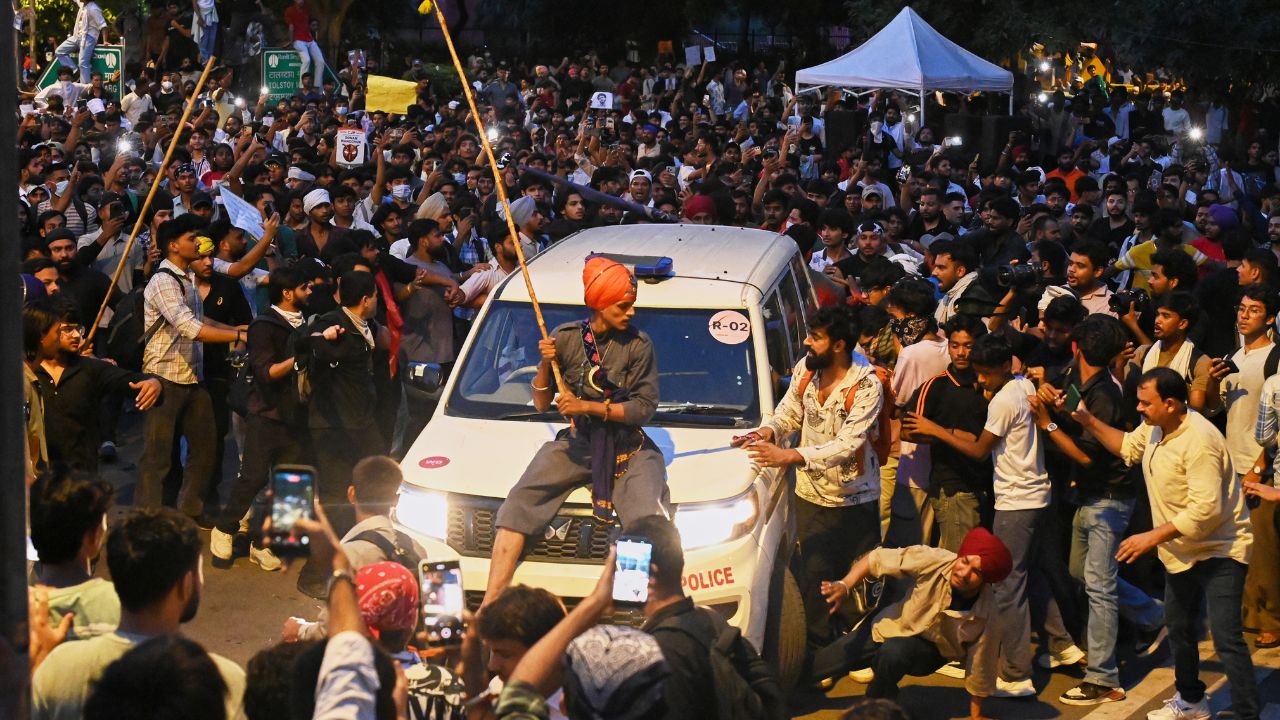



Protests led by India’s youth intensified in New Delhi Thursday as the student-led “cockroach” movement expanded its challenge against Prime Minister Narendra Modi’s government over examination paper leaks and broader governance issues.
Despite a pledge from Modi to establish “fast-track courts” to speed up the punishment of officials accused of leaking papers, the Cockroach Janta Party (CJP) has rejected the measure as a “band-aid” solution that fails to provide true accountability, reports Indian media.
The demonstrations, centred at New Delhi’s Jantar Mantar, have emerged as a significant challenge to the government since the 2024 re-election, with protesters demanding the immediate resignation of Education Minister Dharmendra Pradhan.
Rejection of ‘Band-aid’ measures
In his first public remarks on the movement Thursday, Modi vowed on the social media platform X that those who harm the future of the youth “will not be spared,” offering faster justice through a typically clogged judicial system.
However, CJP spokesperson Saurav Das dismissed the proposal, noting that there have been “zero convictions” in such cases over previous years.

More than 1,000 protesters remain camped at the central Delhi site despite gruelling heat and humidity, supported by food and water deliveries sent by well-wishers from across the country.
Protesters like 21-year-old Madhu, who travelled to the capital to join the movement, said while the exam leaks were the initial spark, the platform is now used to address “repressed frustration” regarding unemployment and a lack of freedom to speak up.
Highest risk of civil unrest
The current wave of demonstrations coincides with India being ranked as the “highest-risk country” on the Verisk Maplecroft Civil Unrest Index.


According to Reema Bhattacharya, head of Asia research at the risk analysis firm, average protest participation in India has more than doubled over the past year, with unrest now geographically dispersed across the nation.
She noted that after a decade in office, weak employment outcomes are fueling the “strongest anti-incumbency narrative” seen in 12 years, posing a significant hurdle for the government ahead of the 2029 election
Parliamentary deadlock, political fallout
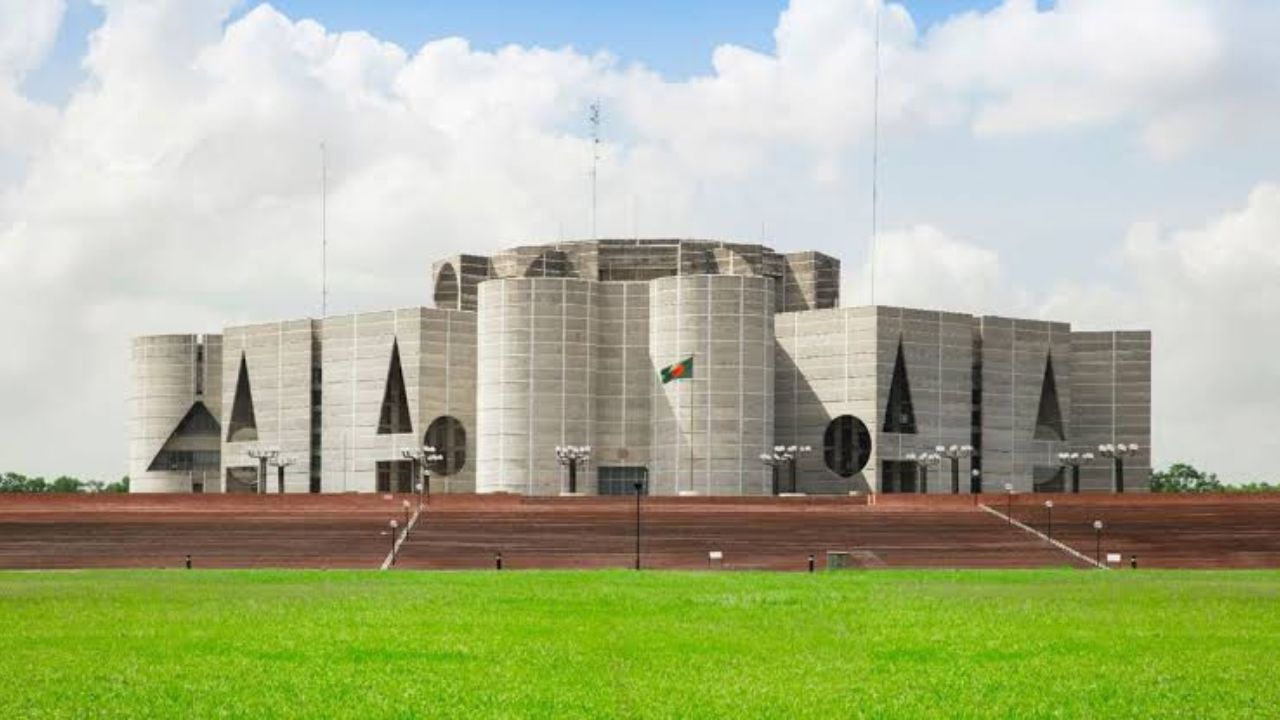
The crisis has caused a total shutdown of the Indian parliament as opposition parties demonstrated in solidarity with the “cockroach” movement.
Opposition leader Rahul Gandhi, who was briefly detained on Tuesday during a sit-in at the Prime Minister’s residence, escalated his criticism today by demanding that Modi apologise for the “rigged” education system.
Gandhi claimed that 152 exam paper leaks have occurred over the last decade, affecting 75 million students without a single conviction. In response, Health Minister JP Nadda accused the opposition of exploiting student issues for “political mileage.”
Meanwhile, the movement’s influence continues to spread geographically, with solidarity protests reported in Mumbai, Bengaluru, Chennai, Hyderabad, and several other cities.
From satire to a national uprising
The CJP movement originated on 16 May 2026 as an “online political satire” launched by Abhijeet Dipke, a political communications strategist and student at Boston University. It was born after the Chief Justice of India reportedly likened unemployed youngsters and activists to “cockroaches” and “parasites” during a courtroom hearing.
The movement gained massive momentum following the May National Eligibility cum Entrance Test (NEET) scandal, where a paper leak forced over two million medical candidates to sit for a retest.
This week, the protests turned violent on Monday when police used batons and tear gas against thousands of marchers, resulting in approximately 180 injuries, including 118 security personnel.
Activist and educator Sonam Wangchuk also bolstered the movement through a high-profile hunger strike that lasted 20 days before he was forcibly hospitalised by authorities.