
By Aisha Hoque
In the rush of modern life, sleep has evidently become an afterthought. We stay up late chasing deadlines, scrolling through screens, reviewing study notes, or reading a few pages of a novel. While the activities themselves aren’t exactly destructive, carrying them out in a way that disturbs sleep definitely is.
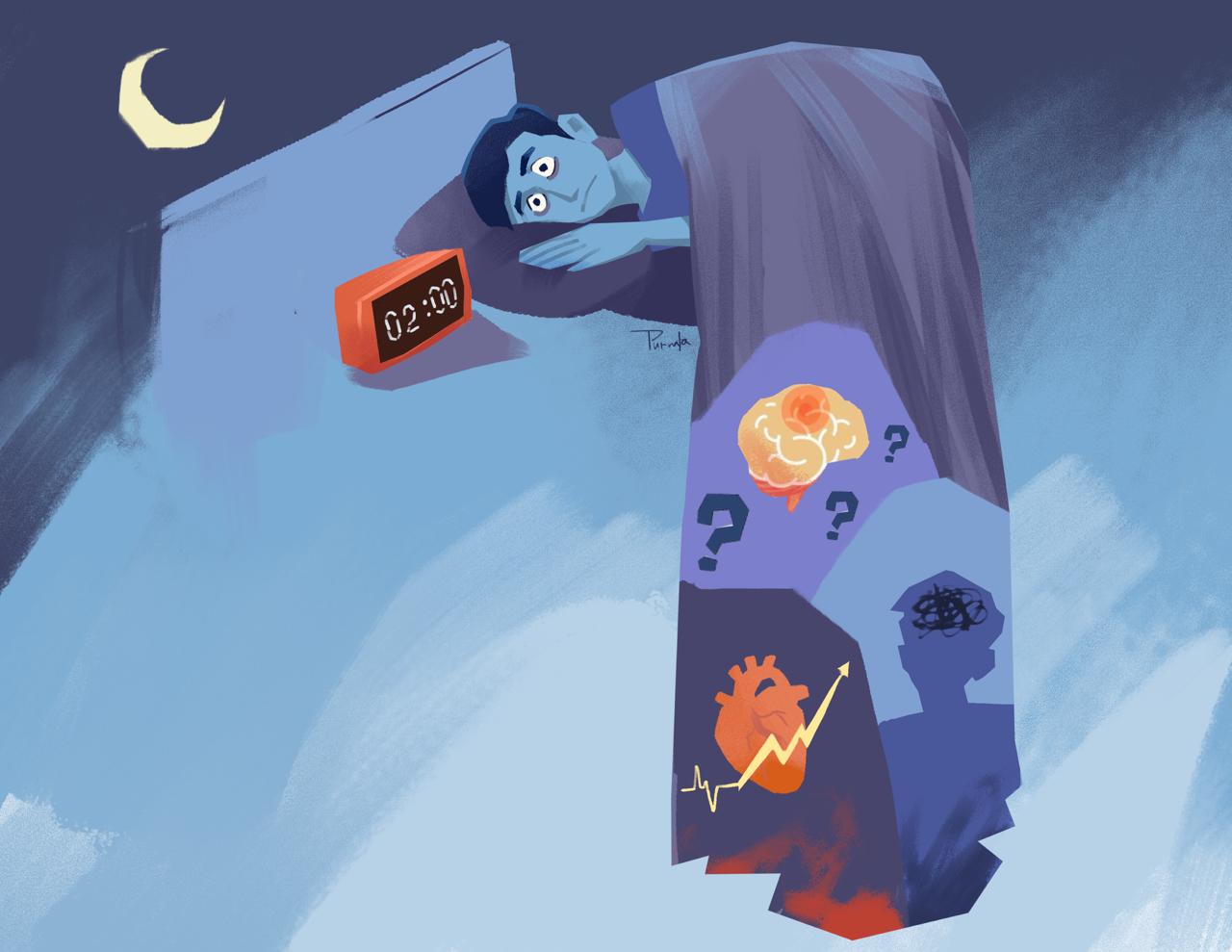
We tend to believe that sleep is an aspect we can always catch up on later. However, studies prove that it’s nearly impossible to make up for even a one night’s loss of sleep. The effects of sleep deprivation are not only harmful to our bodies but also take a severe toll on our mental health, further compromising our daily lives.
Considering the impact sleep deficiency has on our physical health, the list goes on rather long. High blood pressure, high cholesterol, circulatory damage and a weakened immune system are the most common health issues caused by this unhealthy habit.

Sleep is how the body naturally repairs itself. Without it, the consequences can be severe. For example, brain cells fail to regenerate, hormonal imbalances increase, basic emotional processing becomes more difficult than ever. People also experience extremely poor concentration levels.
“It’s like my whole body and mind go into slow motion when I don’t sleep well,” said Nazifa Ahmed, 26. “Even the simplest tasks feel difficult. And no amount of rest during the day makes up for it.”




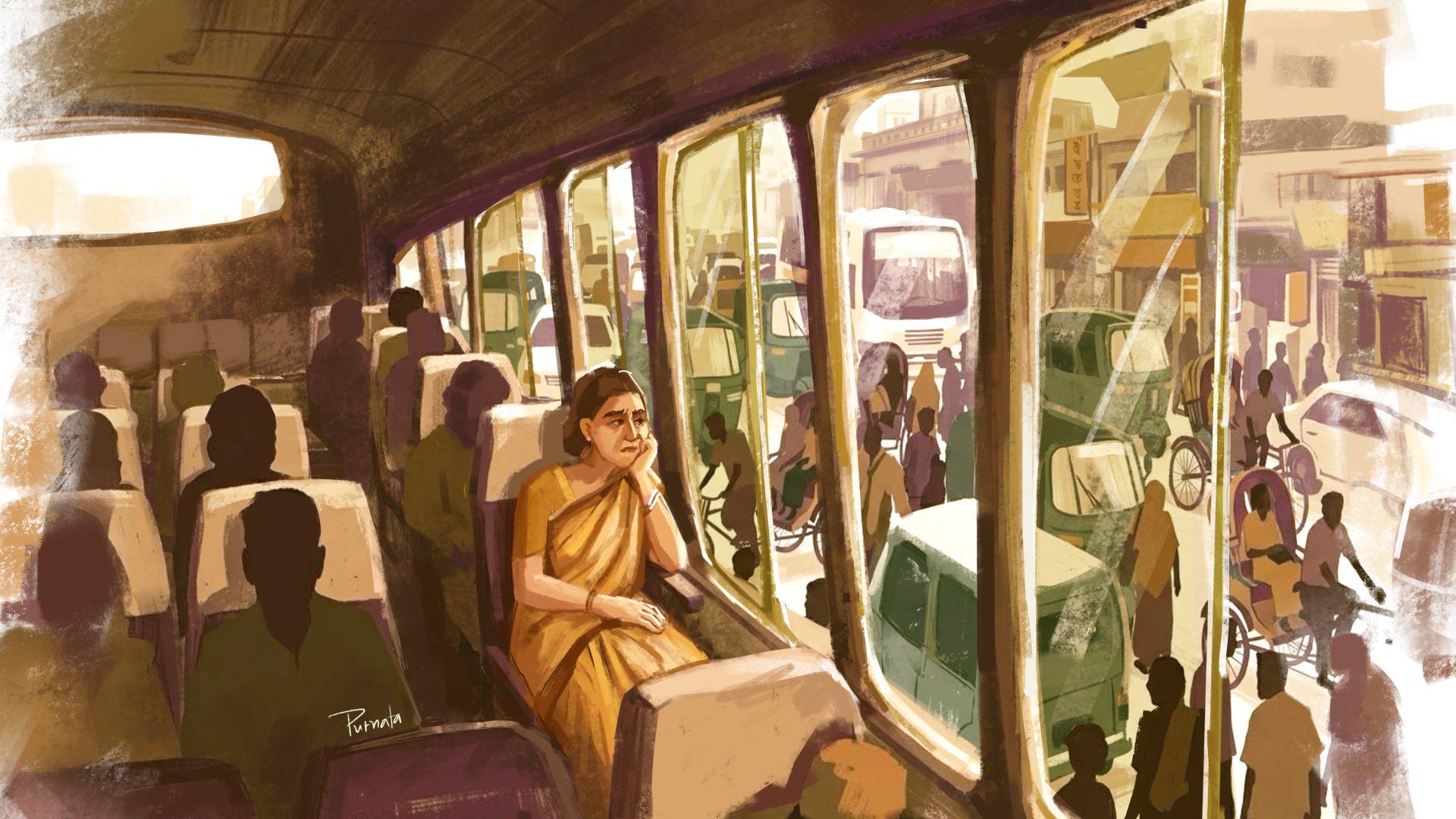
For students, this cripples their learning capabilities. As for workers, their performance rates notably diminish, making them more prone to mistakes in their professional lives. Sleep deprivation affects the daily-wage earners as badly, if not more, truck or bus drivers, for example, in a sleep-deprived state, can be compared to drunk drivers taking on the roads.
Known to be a hidden epidemic, the most alarming point of sleep deficiency is how normalised it has become in our society. The undue glorification of “surviving on three hours of sleep” or sporting exhaustion confidently poses disastrous threats.
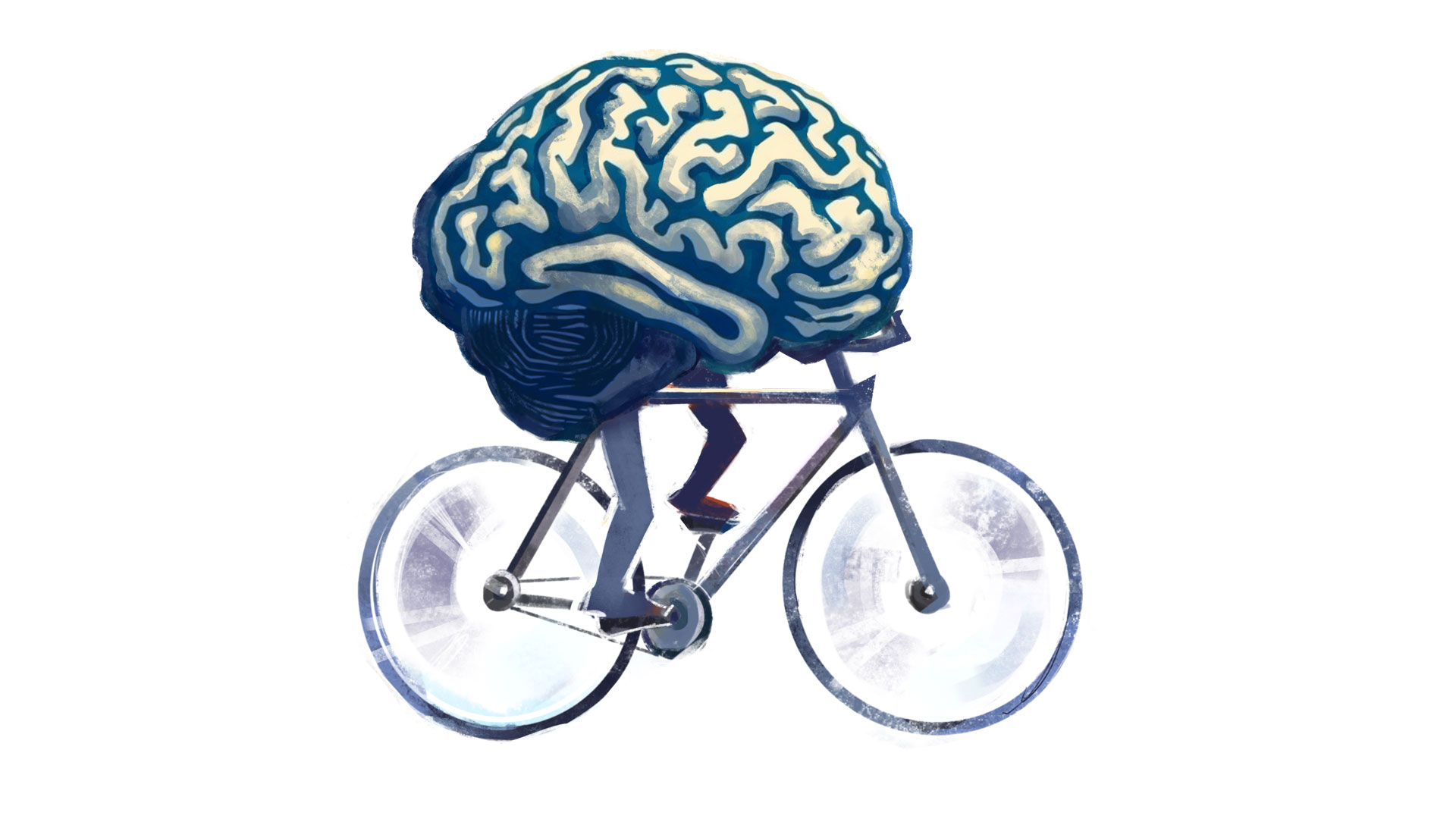
There exists an unsettling idea that our brain starts to “eat itself” when we don’t get enough sleep. Backed by an experiment conducted in 2017 by researchers at the University of Bologna, this has been proven factually. Sleep-deprived brains start overworking themselves, breaking down even the healthy brain cells, which impair cognitive function over time.
In Bangladesh, similar to many other countries, millions fall behind in living up to the established baseline of resting hours. Fast-moving urban lifestyle, work cultures, endless traffic hours, evening classes, social obligations, last but not least, the addictive pull of devices- all of these contribute to the deadly routine of sleep deprivation.
Although on a brighter note, this particular predicament doesn’t have to be the end of the world. Expert recommendations support the idea of a gradual shift in bedtime routine rather than an overnight transformation.
Faysal Ahmed Rafi, the chief psychologist at Mindwizz, suggested how non-medicinal practices have been proven to make an impactful difference. According to the professional, here’s what we can do:
- Consistent sleep schedule – Going to bed and waking up at a specific time each day helps regulate the internal clock, as the body eventually adjusts itself to the new timing.
- Exposure to natural light – Our bodies require the first light of the day to activate their sensory system and energise themselves. Similarly, before going to bed, he advises letting lights out (even the dimmest ones) to send the correct message to our bodies.
- Limiting screen exposure – The devices we use emit blue light, which is known to suppress our sleep hormone. Thus, he has recommended putting all the screens away, at least an hour before we are ready to hit the bed.
- Fix our sleeping environment – Making some small changes in our rooms can be quite impactful. The right room temperature, properly made-up beds and refreshed bodies enhance sleep quality.
- Stress management – Regular sleep management can significantly improve sleep quality. Breathing exercises, practising mindfulness and adopting progressive muscle relaxation techniques promote stress regulation, which means we can better sleep.
The consequences of sleep deprivation go beyond individuals; they have a widespread impact on society. Hence, getting a good sleep is as vital as proper nutrition and sufficient hydration.