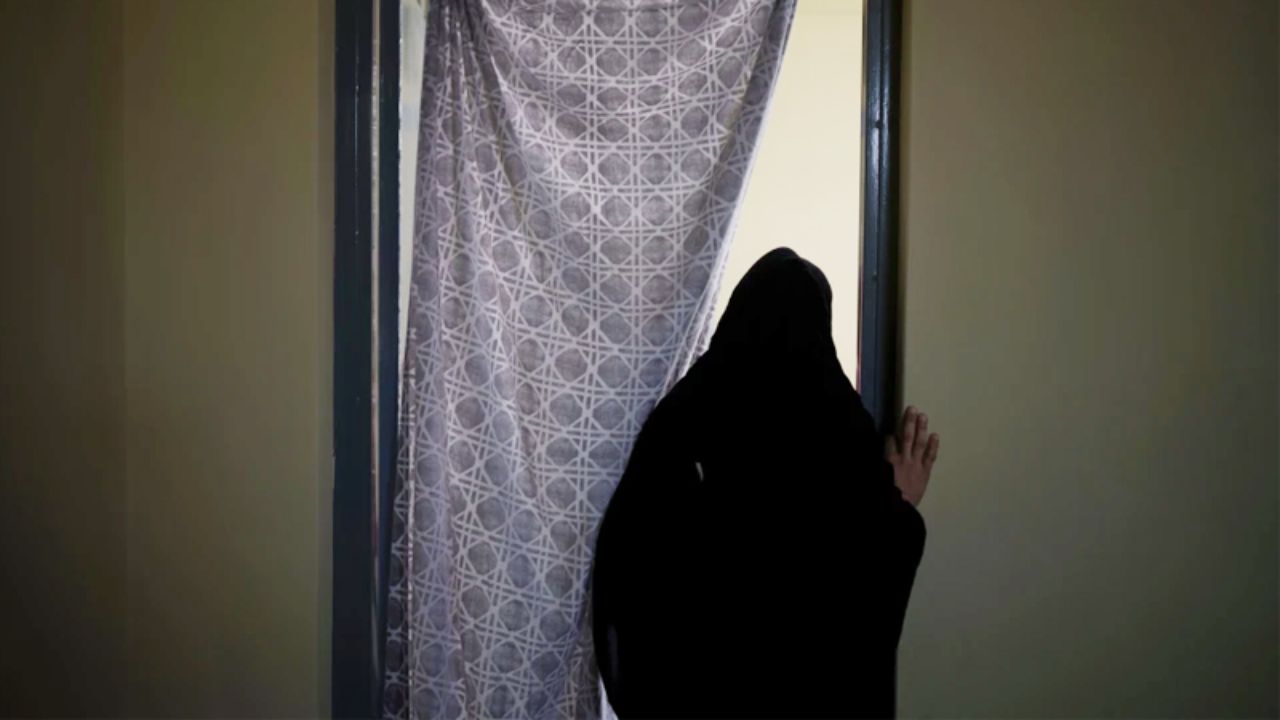



An investigation into the deaths of 231 women and girls across 10 Afghan provinces has uncovered a pattern of domestic violence, disputed suicide rulings and widespread impunity.
The investigation found that many women died inside their homes in circumstances involving alleged violence by husbands or other male relatives, while only a fraction of the cases resulted in arrests, according to a report published by The Guardian.
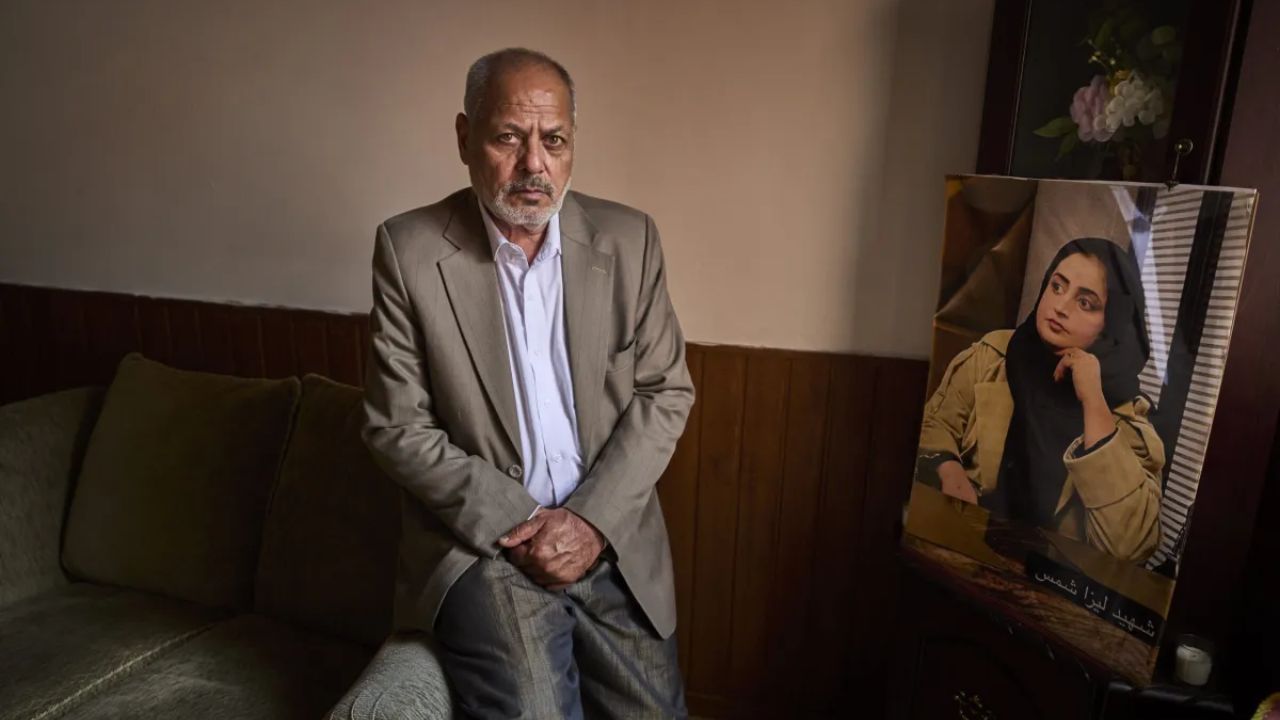
Shamsuddin Shams, who believes his daughter Liza was murdered by her husband in Afghanistan. Photo/The Guardian
Liza Shams, 33, knew she was trapped in a violent marriage.
Weeks before her death, she sent voice messages to relatives asking them to pray for her and describing repeated abuse by her husband, Hasibullah Sarwari, a report published in the Guardian.
“I can’t do this anymore,” she said in one recording.
On 1 February, neighbours in Kabul heard screaming from Liza’s home and alerted police. Around the same time, her father, Shamsuddin Shams, received a video call from her in which she indicated that her husband had assaulted her again.
Two of Liza’s sisters rushed her to Rahmat Hospital in Kabul. About 70 minutes after arriving, she died.
Medical records documented serious injuries, while a forensic report listed poisoning by rat-poison phosphide as the likely cause of death. No autopsy was carried out at the family’s request.
Sarwari’s family has argued that Liza died by suicide. Her father believes she was murdered.
Her case reflects a much wider pattern uncovered by an investigation into the deaths of women across Afghanistan under Taliban rule.
What did the investigation find?
The Taliban do not publish annual figures on the number of Afghan women killed.
The Attorney General’s Office, which previously collected such data, was abolished by decree in 2023.
To fill that gap, reporters examined cases across 10 of Afghanistan’s 34 provinces since the Taliban returned to power in August 2021.
The investigation compiled 174 cases reported by local Afghan media and another 57 documented directly by journalists but not previously reported.

Together, they identified 231 deaths of women and girls. Of those, 53 were officially recorded as suicides.
The highest recorded numbers were in Jawzjan, with 36 cases; Herat, 32; Badakhshan, 28; and Ghazni, 26.
Victims ranged in age from five to 65.
Seven in 10 — 165 of the 231 victims — were housewives with no independent income or institutional standing to pursue domestic violence cases.
Most deaths occurred inside the victim’s own home.
Across all 231 cases, only 58 arrests were recorded.
That means just one in four killings resulted in an arrest, and even some of those detained were later released, sometimes within a day.
Why are so many deaths called suicide?
One of the investigation’s most disturbing findings is the number of violent deaths officially classified as suicide.
More than one in five of the 231 cases received that designation.
Reporters found several cases in which relatives or witnesses said domestic violence had preceded the death, yet authorities still recorded them as suicides.




A hospital worker in Jawzjan said some women brought to hospital and classified as suicide cases showed clear signs of previous violence.
The classification matters because a suicide ruling can effectively end scrutiny of whether another person was responsible.
The case of Fereshta Emadi
Fereshta Emadi, 33, a UN agency employee in Kabul, was found dead in her home on 31 May 2026.
Her husband reportedly told Taliban police that she had killed herself and cited a psychiatric condition.
Her relatives and friends reject that account.
Five people who knew her said Fereshta, who had been married at 17, had endured years of physical abuse and controlling behaviour.
A colleague said Fereshta had repeatedly spoken about threats and violence from her husband.
Her death is among those that relatives believe should have been investigated as possible domestic violence rather than treated as suicide.
What happens when families intervene?
The danger can extend beyond the women themselves.
In Kandahar, a 14-year-old girl who had been married to a much older man fled back to her family after suffering violence.
When her husband came to force her to return in October 2024, she refused. She and her younger brother were subsequently killed.
Although the Taliban opened a case, the husband, who was himself a Taliban member, was never arrested.
In Sar-e Pul, 16-year-old Sara and her mother Chaman, an Iranian-trained doctor, were killed in May 2026 by a local Taliban official who had forced an engagement on Sara.
The official was later captured and remains in prison.
Liza’s family also says it has faced pressure.
Her father said the two daughters who took Liza to hospital were later summoned by the Taliban and have since gone into hiding.
He believes the pressure came because the family spoke publicly about the case.
What does Taliban law say?
The Taliban’s new criminal code imposes a maximum punishment of 15 days in prison on a husband who beats his wife and leaves visible injuries such as fractures or wounds.
But if a wife goes to her family’s home without her husband’s permission and her family refuses to send her back, both the woman and her relatives can face three months in prison.
The effect, according to the investigation, is a legal framework in which seeking refuge from domestic violence can carry a heavier punishment than the violence itself.
What protections disappeared after 2021?
Violence against women was already widespread before the Taliban returned to power.
UN Women’s 2024 Afghanistan Gender Index found that in 2018, nearly 35 per cent of Afghan women reported experiencing violence from an intimate partner during the previous year.
The global average was 13 per cent.
After August 2021, institutional protections weakened further.
The Taliban abolished the Ministry of Women’s Affairs, the special prosecutor’s office dealing with violence against women and the country’s shelter network.
Around 250 female judges were removed from the bench, while female prosecutors were sent home.
Women also lost the ability to act directly in their own legal cases.
In Takhar province, Shamsia, the mother of a 23-year-old woman killed by her husband in May 2025, said a local court ordered her to transfer power of attorney to her husband because a woman could not directly pursue the case.
Five months later, she said, the case had made no progress.
What do the numbers miss?
The 231 deaths do not represent Afghanistan’s full femicide toll.
They cover only 10 provinces and are limited to cases reporters could identify.
Many families were too frightened to speak.
In several provinces, journalists themselves received threats after attempting to contact relatives of victims.
The dataset therefore offers only a partial picture of the scale of violence, the circumstances in which women are being killed and the level of impunity surrounding many deaths.
For Liza’s father, official justice appears increasingly uncertain.
Her case is expected to be decided by a Taliban court.
With little confidence that anyone will be held responsible, Shamsuddin has turned to social media, publishing recordings, hospital footage and documents as part of a campaign seeking justice for his daughter.
In one of Liza’s final recordings, she spoke of a marriage she felt she could no longer endure.
“I’ll try every day,” she said. “But this isn’t working.”