


The government has issued the much-anticipated Revenue Policy and Revenue Management (Amendment) Ordinance, 2025, introducing 11 key changes aimed at improving revenue management and tax administration in Bangladesh.
Released on September 1, the ordinance seeks to modernise the country’s tax systems and ensure the appointment of qualified officials in key roles.
One of the primary changes involves the appointment of the Secretary of the Policy Division. Previously, the role could be filled by any suitably qualified government officer, but the amendment now requires the secretary to have expertise in macroeconomics, trade policy, or revenue management.

Additionally, the ordinance stipulates that critical positions within the Policy Division, such as those dealing with income tax policy, customs, VAT, and international trade, must be filled by officers with experience in revenue collection.




Furthermore, the scope of the Policy Division has been expanded. Instead of only focusing on tax law enforcement, it now includes the analysis of revenue policy impact, tax expenditure, and the state of revenue collection.
The changes extend to the Management Division as well. The ordinance now mandates that the Secretary of the Management Division must have direct experience in revenue collection. Key positions in income tax, VAT, and customs law enforcement, previously filled by officers from specific service cadres like Bangladesh Civil Service (Customs and Excise), will now be filled by officers with practical experience in revenue collection.
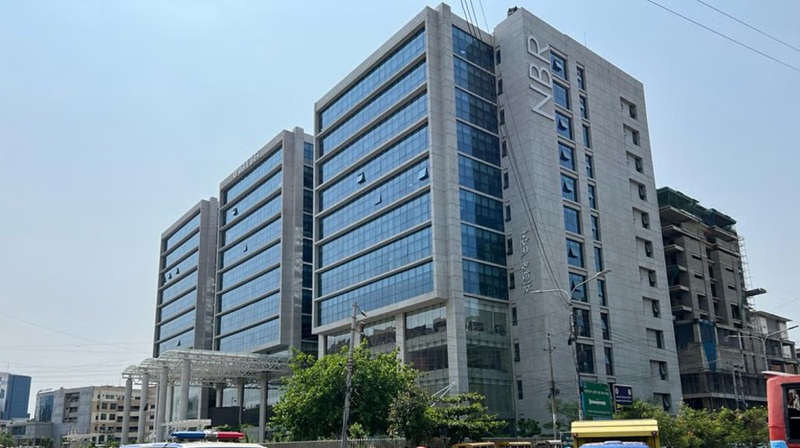
Additionally, the ordinance stresses the need for automation within the Revenue Management Division and aims to improve connectivity across all divisions, creating a more integrated system. Personnel from the National Board of Revenue (NBR) will now be posted to the Revenue Policy Division to streamline operations.
These changes are part of the government’s ongoing efforts to enhance efficiency, simplify operations, and ensure that tax policies are better aligned with the dynamic global economy.