
The government is making strides toward implementing a multimodal transport plan aimed at creating an efficient, integrated national transportation system.
This strategic plan focuses on merging the country’s road, rail, and waterway networks to streamline both cost and time for transportation across the nation, reports BSS.
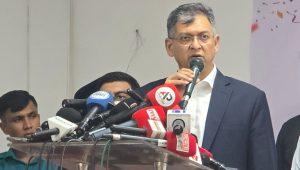
Sheik Moinuddin, special assistant to the chief adviser, confirmed that the draft of the plan is nearly finalised.
He said, “We expect to finish approximately 70 to 75 percent of the transport plan before our term ends.”

“The Ministry of Road Transport and Bridges is leading the preparation efforts. The planning involves extensive data collection, including mapping existing routes and gathering information on goods and passenger movements. This process is crucial for identifying infrastructure gaps, prioritising investments, and determining the most efficient transport modes,” Moinuddin explained.
To bring the multimodal transport plan to international standards, the government is collaborating with the Asian Development Bank (ADB) and the World Bank.




“These international bodies are being included in the process so they will give their opinions as per the management of developed nations transportation systems”, he added.
He said, “The current phase of the plan primarily coordinates roads, railways, and waterways. It aims to connect key national requirements, including ports, local trade hubs, export processing zones, and tourism areas.”
However, the integration of aviation, particularly for cargo transport, remains absent from this phase, as the sector is still considered to be in its early stages, he noted.
A key objective of the plan is to create a robust, unified system ensuring that all future infrastructure projects are aligned with the master plan.
He pointed out that the lack of coordination remains the most pressing issue in the current transport system.
To resolve this, he emphasised that all transportation departments, including those overseeing Inland Waterways, Roads and Highways, the Bangladesh Bridge Authority (BBA), and Aviation, should eventually function under a single umbrella.
He cited an example of past shortcomings, mentioning the Dhaka Airport, where travelers currently have no access to public transport upon arrival, forcing them to take taxis from far-off locations.
Future initiatives within the transport plan will aim to address this issue by expanding the Metro Rail and setting up designated bus and taxi stands at the airport, he added.