
Google is gearing up for a renewed push into wearable technology, announcing plans to introduce a new line of artificial-intelligence-driven smart glasses in 2026 – more than a decade after its first attempt failed to win over consumers.
The tech giant had stirred global excitement back in 2013 with the debut of Google Glass, a futuristic-looking device featuring a miniature screen perched above the right eye, reports BBC.
Though the company touted it as the next evolution of mobile computing, the glasses quickly drew criticism for their awkward design and camera-based privacy concerns. Google discontinued the consumer edition in 2015, only months after its UK rollout.
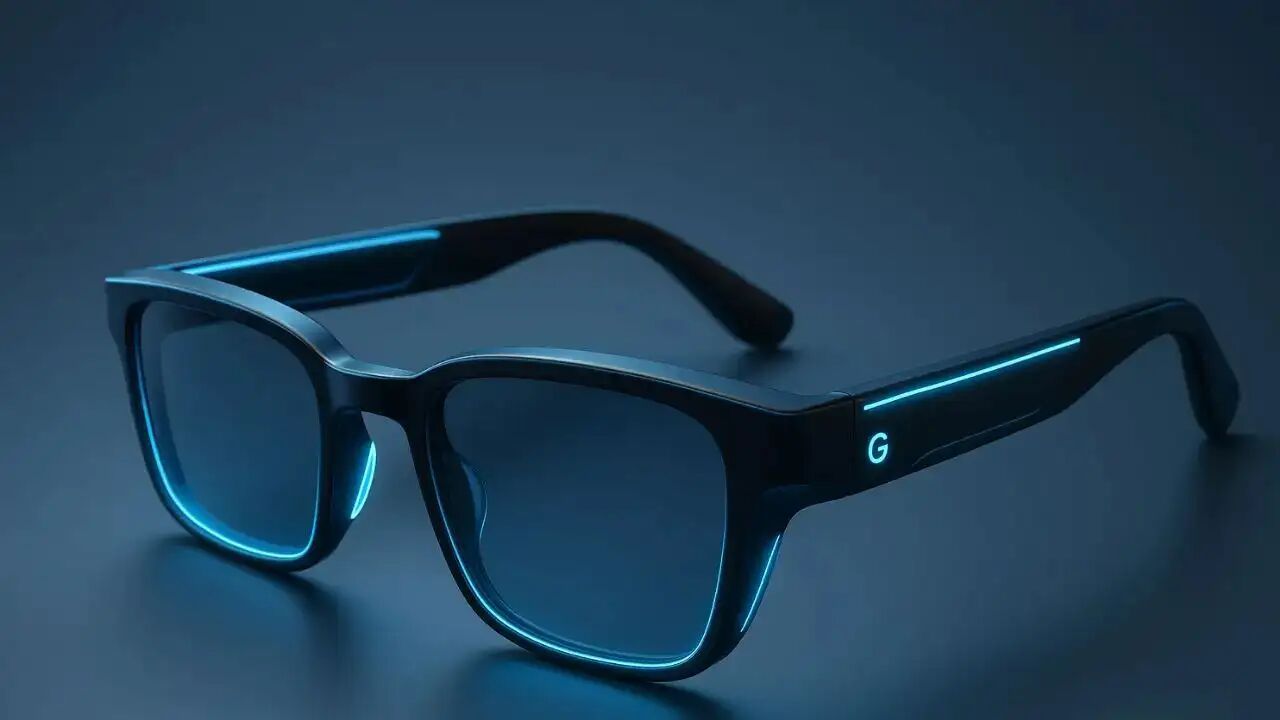
This time, the company is promising a sleeker design and deeper integration with its latest AI ecosystem, including its Gemini chatbot. According to reports, Google is preparing two distinct models –

- A minimalist version without a display, focused on hands-free AI assistance.
- A model equipped with an embedded screen, offering information directly within the user’s field of view.
While Google has confirmed a 2026 release window for the first version, it has yet to disclose further technical details.
Technology analyst Paolo Pescatore told the BBC that Google faces pressure to get it right this time. “The company must avoid repeating the mistakes of its earlier rollout,” he said, noting that Google Glass was “ahead of its time, poorly conceptualised, and poorly delivered.”




Google’s re-entry comes as competition intensifies. Meta has already gained a head start, having sold more than two million units of its Ray-Ban-branded smart specs as of February.
Market research firm Counterpoint Research reports that the global AI-glasses segment surged in the first half of 2025, fuelled largely by Meta’s success and new offerings from smaller manufacturers. Overall sales jumped more than 250% year-on-year, signalling growing consumer interest in AI-embedded wearables.
Lessons from Google Glass
When Google Glass first hit the market, it attracted attention for blending a camera, display, and voice controls into a lightweight frame. But concerns mounted quickly.
Critics questioned the ethics of discreet recording in public spaces, while many users found the design conspicuous and the functionality limited. By 2015, Google halted production of the original model.
Although an enterprise edition targeted at industries like manufacturing and healthcare emerged in 2017, that version too was discontinued in 2023.
In recent years, major technology companies have attempted to address these shortcomings by partnering with established eyewear brands and leveraging advances in lightweight processors and compact sensors. Yet privacy, design acceptance, and real-world utility remain central challenges as the next generation of smart glasses enters the market.