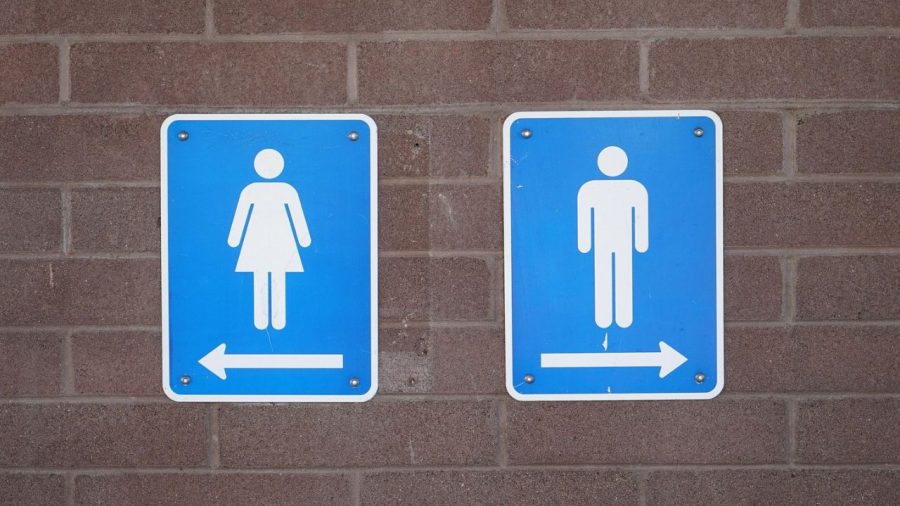

Building a single public toilet in Bogura could cost Tk1 crore – nearly three to four times the amount estimated for similar facilities under recent development projects.
The unusually high estimate is among several expenditure proposals questioned by the Planning Commission in a Tk1,993.24 crore infrastructure development project for the newly formed Bogura City Corporation.
The Ministry of Local Government, Rural Development and Cooperatives has proposed spending Tk5 crore on five public toilets, alongside substantial allocations for playgrounds, children’s parks, markets, and other urban infrastructure.
Titled “Infrastructure Development of Bogura City Corporation”, the project has been sent to the Planning Commission for approval. Bogura City Corporation will implement the project, with an implementation period running from August this year to June 2030.
The Planning Commission’s Physical Infrastructure Division has questioned cost estimates across several components, including unusually high repair and maintenance allocations.
City corporation authorities, however, maintain that the proposed allocations do not necessarily reflect actual expenditure.
A review of recent development projects shows that the Local Government Division estimated the cost of building a public toilet at Tk38 lakh under its “Integrated Water Supply and Sanitation Infrastructure Development in Bogura District” project.

Another project aimed at improving health and living standards in flood-affected areas put the construction cost of each toilet at Tk30.40 lakh.
Planning Commission officials said there was no justification for such high expenditure, noting that public toilets under recent development projects were estimated to cost between Tk25 lakh and Tk38 lakh.
“It seemed to me to be excessive expenditure. Such an amount of money was not proposed in recently taken projects. The estimated expenditure of several sectors of the project should be rationally reduced,” a senior official of the Physical Infrastructure Division told TIMES on condition of anonymity.
Repair and maintenance estimates have also drawn scrutiny.



According to Planning Commission sources, the project proposes spending Tk7.20 lakh on repairing furniture worth Tk12 lakh – equivalent to 60 per cent of its purchase price.
Another Tk7.20 lakh has been proposed for repairing laptops and desktops worth Tk24 lakh, with an identical allocation for repairing four photocopiers worth Tk24 lakh.
The proposal also earmarks Tk21.60 lakh for motor vehicle repairs despite having no provision for vehicle procurement – an allocation the Physical Infrastructure Division considers irrational.
Other expenditure estimates have also come under scrutiny, including an average of Tk10 crore for each of 21 playgrounds, Tk10 crore for each of 10 children’s parks, and Tk8 crore for each of 13 markets.
A lump sum of Tk20 crore has been proposed for developing popular local hangout spot Neel Sagar, without specifying the nature of the work in the development project proposal (DPP).


The project aims to prevent unplanned construction, develop Bogura as an effective secondary city and ensure modern urban management.
It envisages increasing revenue through the construction of recreational centres and markets, improving drainage and waste management, building public toilets, and modernising footpaths and main roads.
Other objectives include expanding industry and trade, creating jobs, improving access to educational and healthcare institutions, strengthening urban infrastructure and civic services, and ensuring planned urbanisation to improve living standards through sustainable socio-economic development.
Improved transport infrastructure is expected to reduce travel time and costs, facilitate the supply of goods and services, and support business and trade expansion.

The project also seeks to reduce poverty and regional disparities through employment generation, an investment-friendly environment, greater economic participation of the urban poor and stronger economic links between the city and surrounding rural areas.
Asked about the high expenditure estimates, Bogura City Corporation CEO Muhammad Saeed Ali said actual spending would depend on final designs and specifications.
“The expenditure will depend on how it is designed or everything taken together. Keeping an allocation now does not mean that this is what will be spent. When the design estimate is done, then it will be understood how much money will be spent. Now we are planning, expenditure will be according to specification. For now, project documents have been prepared,” he told TIMES.
Shibir Bichitra Barua, director general of the Planning, Monitoring, Evaluation, and Inspection wing at the Local Government Division, said he could not immediately provide project details.
“A project has been taken up for the infrastructure development of Bogura, but I cannot give detailed information about the project at this moment. I will have to find out and let you know,” he said.
Shushashoner Jonno Nagorik (Shujan) Secretary Badiul Alam Majumdar questioned the justification for such high expenditure amid the country’s economic crisis.
“The question is what they will build the toilet with and how they will build it – are they making a gold toilet or one with mosaic? We are going through an economic crisis. The government is borrowing from banks. This is causing extensive harm to the private sector. Unnecessary expenditure at such a time may make the economic crisis even more severe,” he said.
Urging the government to prioritise spending in appropriate sectors, he said there was no justification for such huge expenditure on building a public toilet.