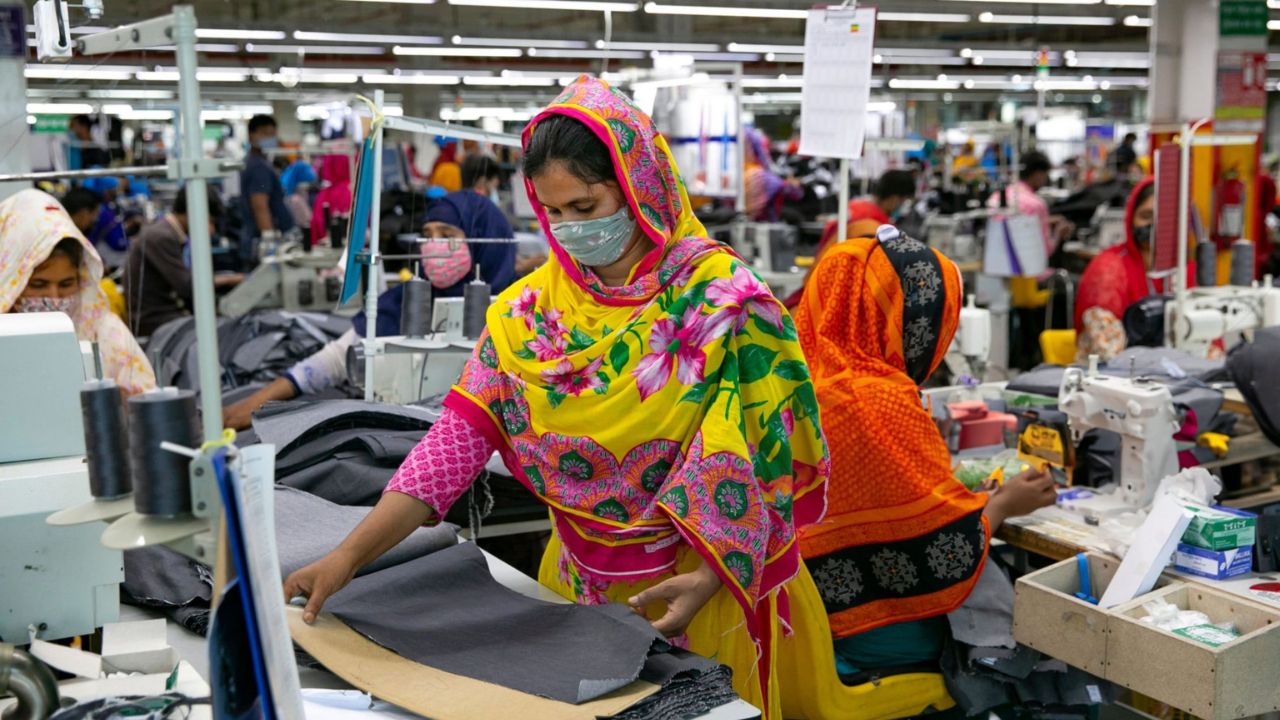
Gas and electricity shortages have cut factory production capacity in Bangladesh’s readymade garment (RMG) sector by 25–30 per cent, prompting industry leaders to seek urgent government support to sustain output and shipments.
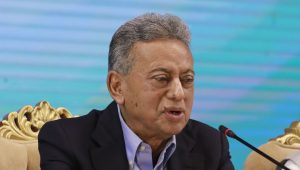
A delegation of Bangladesh Garment Manufacturers and Exporters Association (BGMEA), led by President Mahmud Hasan Khan, raised the issue at a meeting with Ministry of Power, Energy and Mineral Resources Minister Iqbal Hasan Mahmud and State Minister Anindya Islam Amit at the Secretariat on Monday.
Buyer confidence had started to recover after the national elections, but the ongoing Middle East conflict has again put pressure on the global market, he said.
Bangladesh’s apparel sector is now in a vulnerable position, particularly as competing countries remain ahead in ensuring energy security amid the global fuel crunch, he added.
BGMEA said inadequate gas and power supply has already reduced factory production capacity by 25–30 per cent across the sector.

The situation is particularly severe in key industrial hubs such as Gazipur and Ashulia, where frequent load-shedding, coupled with shortages of diesel for generators, is disrupting production and shipment schedules.
The energy crunch has also driven up raw material prices and transportation costs, further inflating overall production expenses and squeezing margins, the association said.



To address the situation, BGMEA placed a set of proposals before the government, focusing on immediate fuel support and structural improvements in energy supply.
The association called for ensuring emergency diesel supply to garment factories through dedicated arrangements at filling stations and prioritising gas connections for small and medium enterprises, particularly those operating boilers with capacities of 300–500 kg.
It also urged equitable gas distribution across industrial zones surrounding Dhaka to reduce disparities in supply.
To strengthen energy security, BGMEA proposed installing at least two additional floating storage and regasification units to enhance liquefied natural gas supply capacity.
The association further requested simplification of the installation process for electronic volume corrector meters in factories to improve monitoring of gas usage.
To ease cost pressures, BGMEA proposed withdrawing import duties and value-added tax on imported fuel at both the import and consumer levels.
It also emphasised renewable energy adoption, seeking substantial duty reductions on solar photovoltaic equipment to promote green industrialisation.
The proposal includes cutting existing duties, currently ranging from 28.73 per cent to 61.80 per cent, to 1 per cent on essential components such as solar panels, inverters, DC cables and battery energy storage systems.
The minister and the state minister said the government would consider the proposals, recognising the sector’s critical contribution to the economy.
They also approved a BGMEA-proposed mechanism to facilitate emergency diesel supply from nearby filling stations on a priority basis, aiming to ease immediate production disruptions.