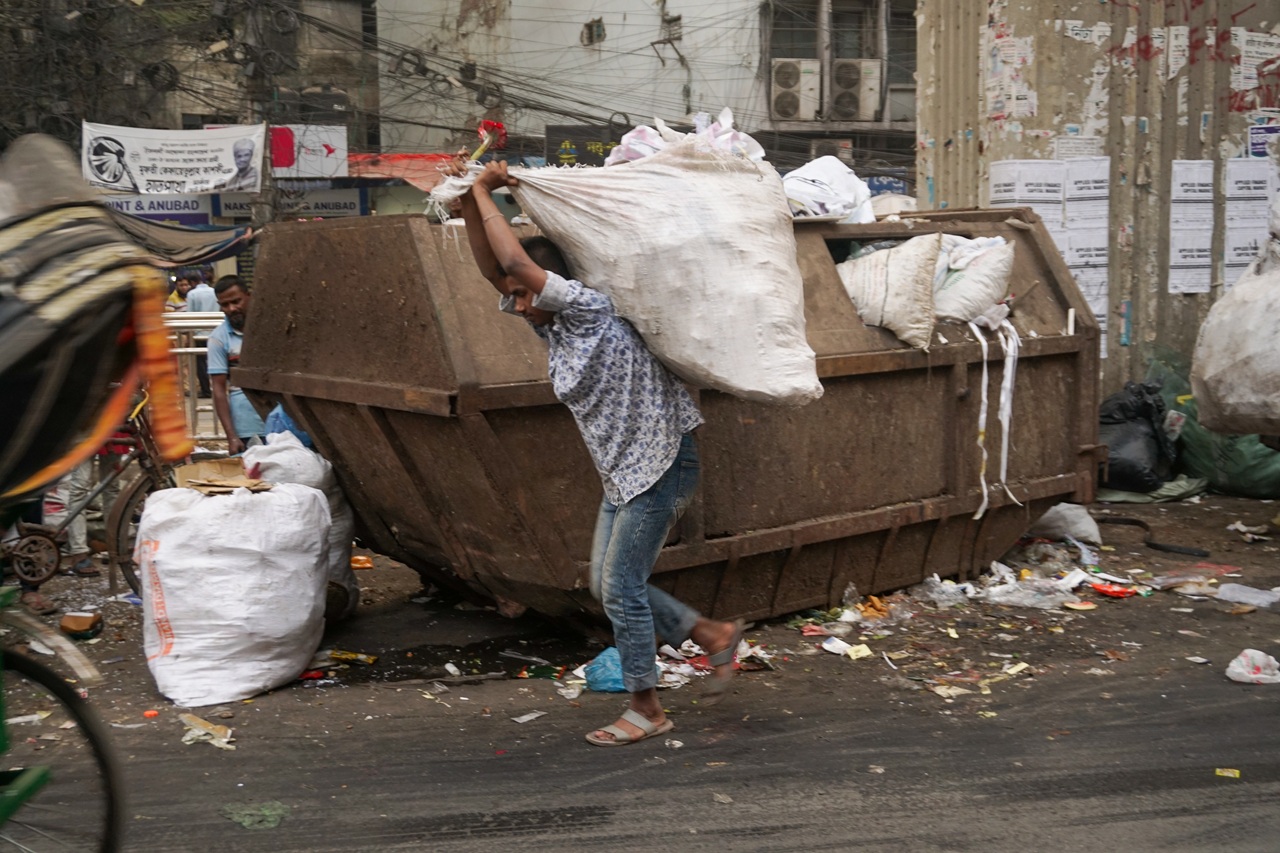
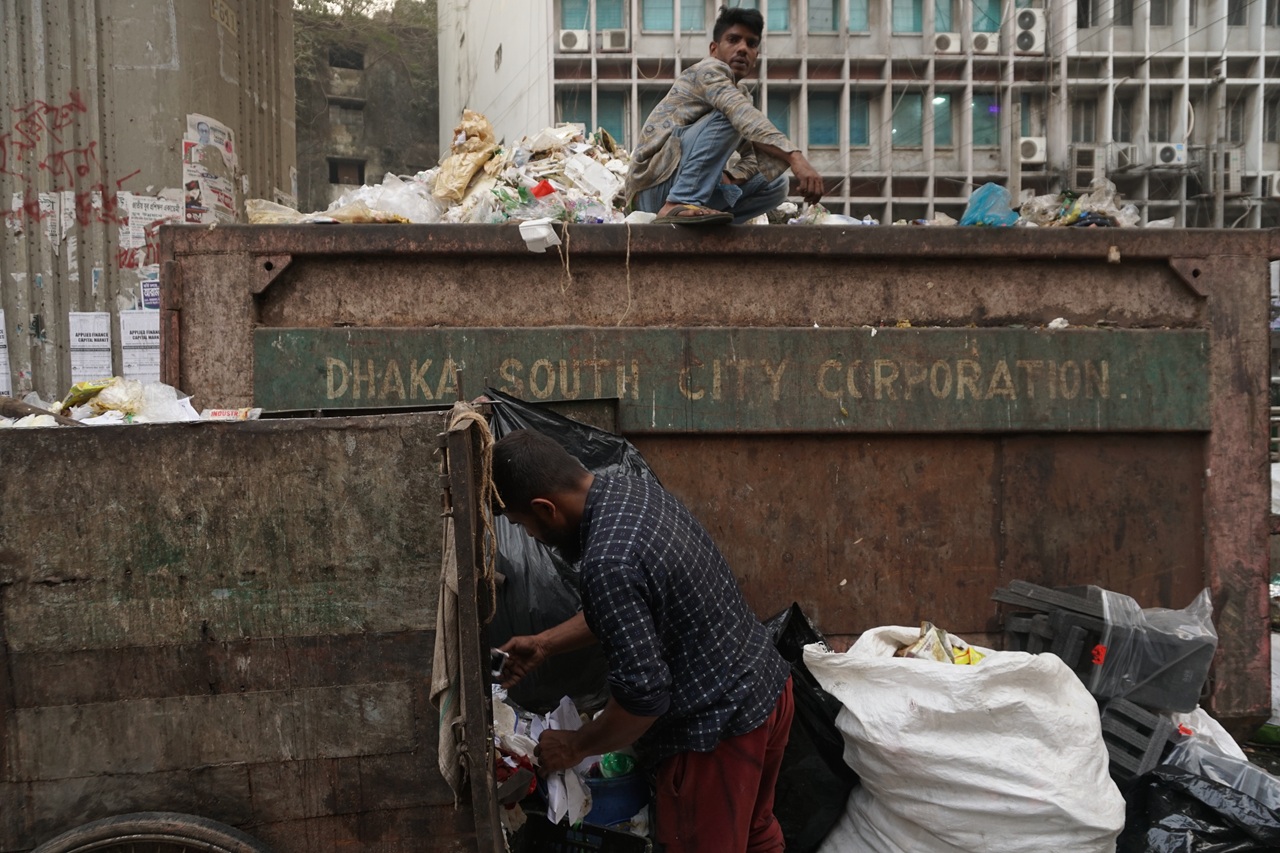
Under the elevated tracks of Motijheel Metro Station, where trains arrive and depart with mechanical precision, a different scene unfolds on the ground. Heaps of garbage crowd the roadside, spilling from dented containers and handcarts. Torn plastic bags flutter against railings. The sharp smell of rotting waste hangs in the humid air, greeting commuters before they even reach the station gates.
Motijheel, the commercial nucleus of Dhaka, is rarely still. Office workers rush toward banks and corporate towers, vendors arrange their wares, and rickshaws weave through tight lanes. The metro station, once celebrated as a milestone in the capital’s transport modernisation, was meant to redefine daily commuting. Yet beneath its sleek infrastructure, neglect has become increasingly visible.
Local workers trace the worsening waste problem back to August 2024, during the political transition that followed the fall of the Awami League government. Collection schedules reportedly became irregular, and maintenance oversight weakened. Though a designated waste station operates nearby, garbage continues to accumulate in open view.

“The garbage process started after August 5, but it has not been properly maintained,” said Jafor, a tea seller stationed outside the metro entrance. Mohammad Litu, who works at a nearby CNG station, said the situation persists despite repeated assurances. “They said it will be cleared. But it is still here.”


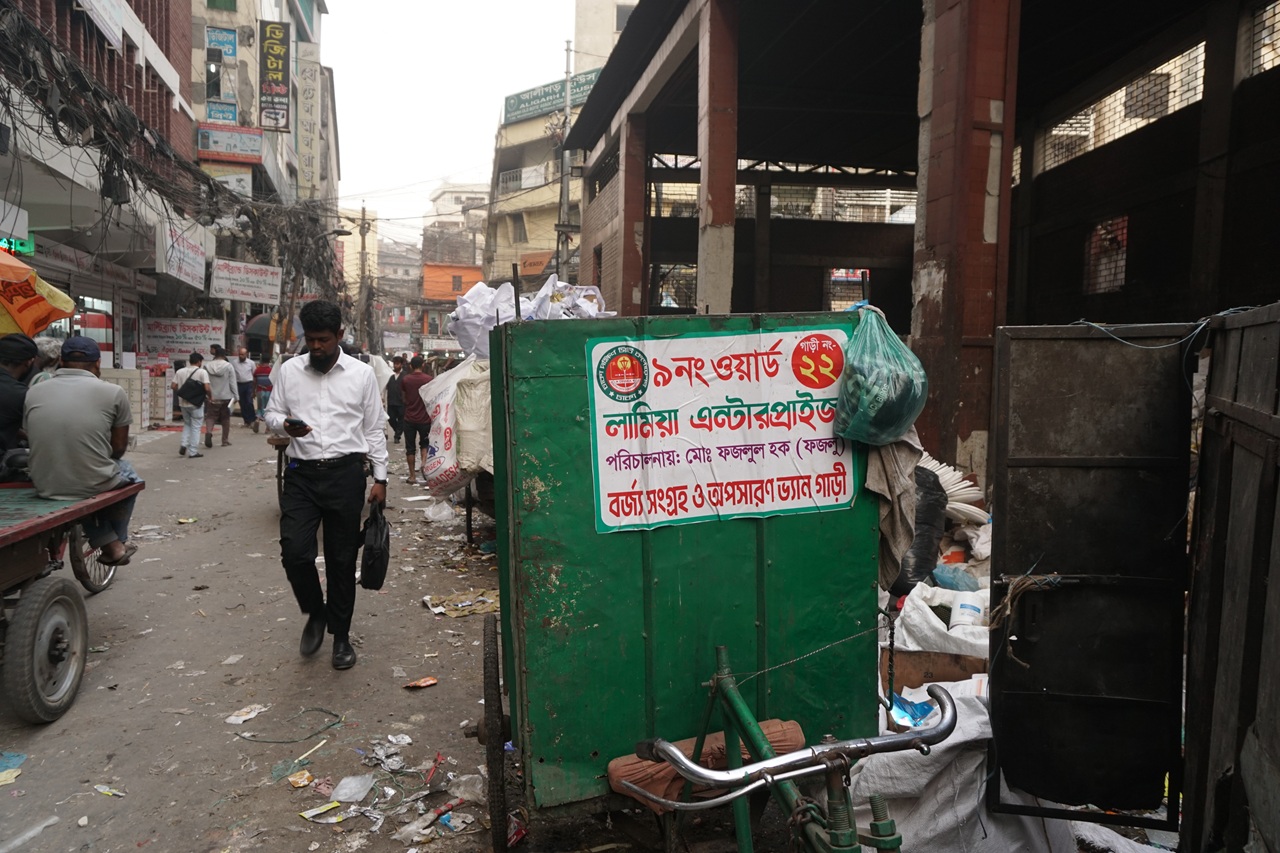
Now that the Dhaka-8 parliamentary election has concluded, residents say they are waiting to see whether their newly elected representative will address what has become a daily public nuisance. During the campaign period, sanitation and urban management were raised in speeches and leaflets. On the ground, however, little has changed.
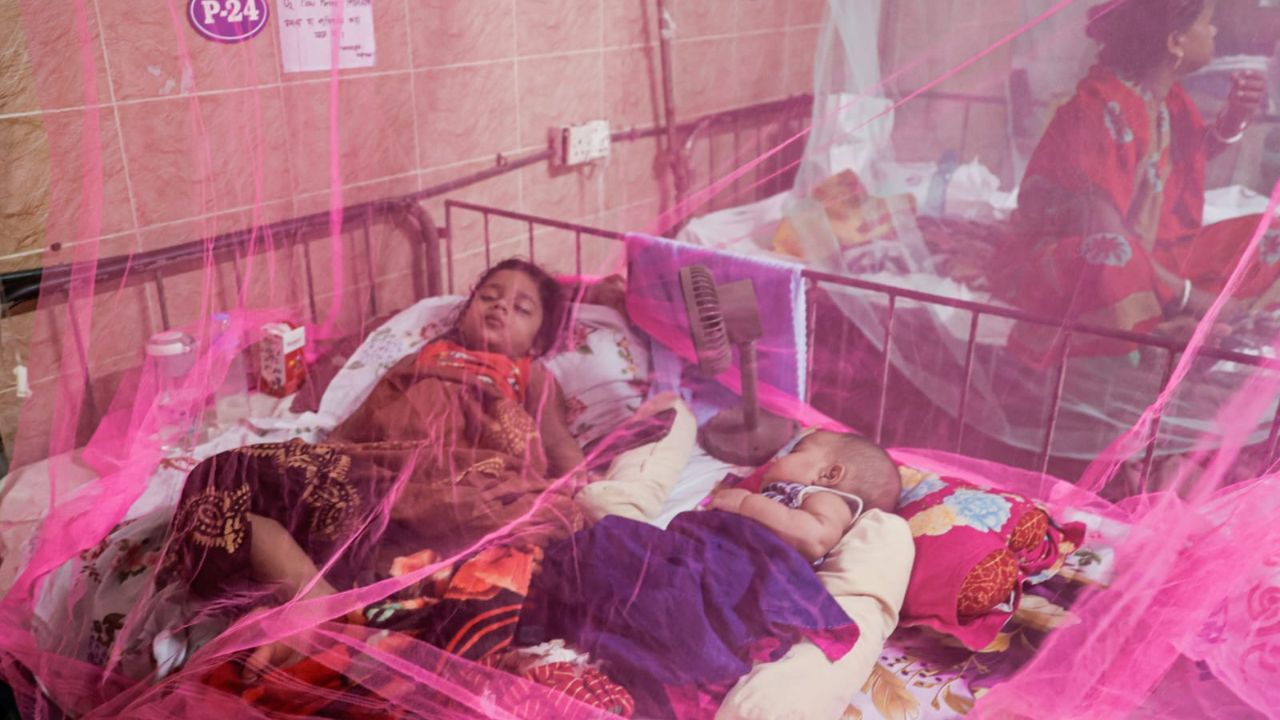
Beyond aesthetics, the health implications are troubling. Pools of stagnant water form around decomposing waste, creating breeding grounds for mosquitoes. Stray animals rummage through plastic sacks, scattering debris across the pavement. Commuters navigate the clutter cautiously, covering their noses as they pass.
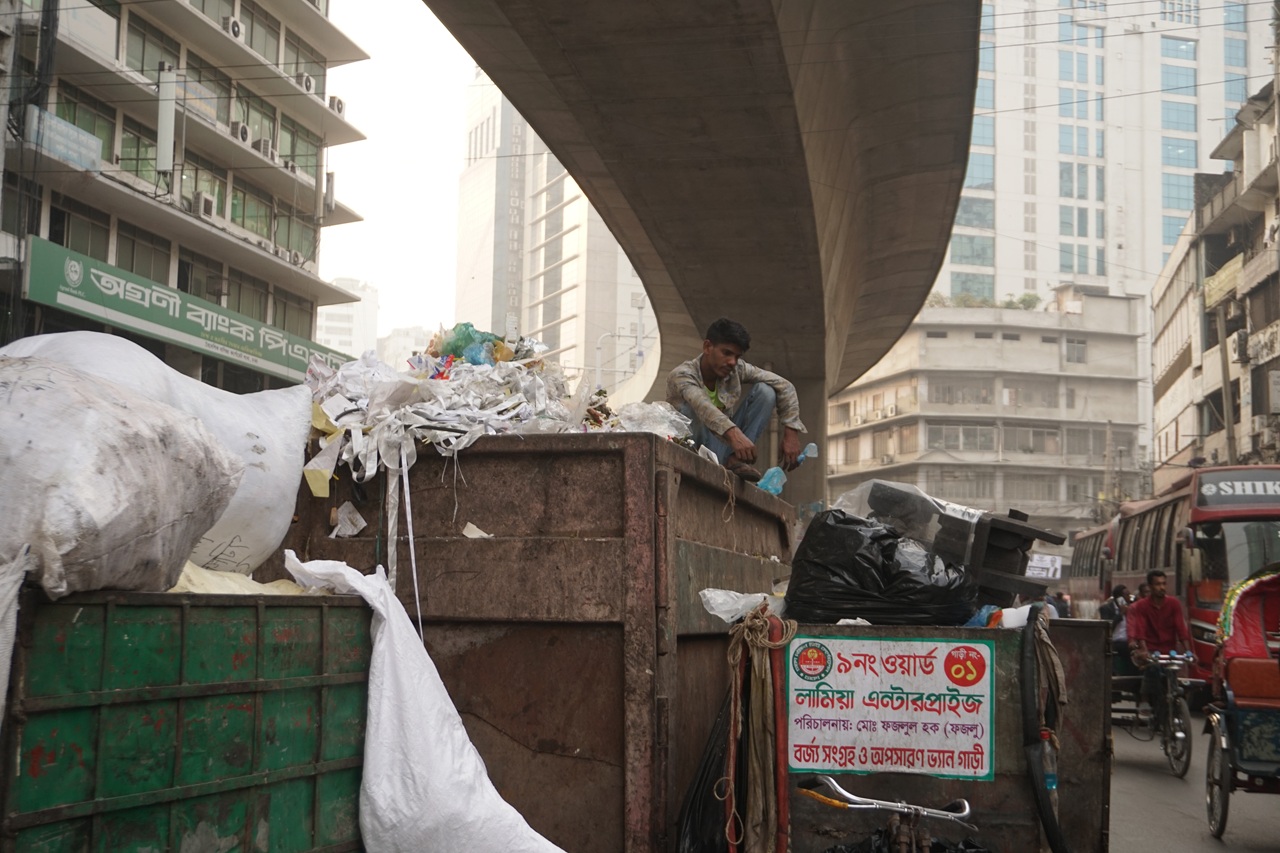
The contrast is striking: above, a symbol of progress and ambition; below, a reminder of systemic gaps in urban management. Motijheel’s garbage problem underscores a broader lesson for Dhaka. Infrastructure development must be matched by consistent maintenance and accountability.
For now, the trains continue to run on schedule. But beneath them, the city waits for action that has yet to arrive.