A French passenger evacuated from a cruise ship linked to a hantavirus outbreak developed symptoms of the disease while returning home to France, Prime Minister Sébastien Lecornu has said.
Lecornu said the passenger became unwell during a chartered flight from Tenerife to Paris. As a result, all five French nationals evacuated from the MV Hondius were “immediately placed in strict isolation until further notice,” reports BBC.
The French citizens were among more than 90 tourists repatriated from the Dutch cruise vessel on Sunday after it anchored off the Canary Islands before dawn.
Three passengers have died following travel on the ship, with two confirmed to have contracted the virus.
After the French evacuation flight landed at Le Bourget Airport in Paris, officials wearing personal protective equipment (PPE) met the passengers on the tarmac. Ambulances later transferred them to Bichat Hospital in the French capital.
France’s Ministry for Europe and Foreign Affairs said the group would remain in quarantine for 72 hours and undergo full medical assessments before being allowed to return home to self-isolate for 45 days.
Spanish authorities have also placed 14 Spanish nationals, flown from Tenerife to Madrid, under mandatory quarantine at a military hospital in the Spanish capital.
British nationals have arrived in Manchester. The UK Health Security Agency (UKHSA) said none of the British passengers had shown symptoms so far, although health officials continue to monitor them.

Another aircraft carrying 26 passengers and crew members, including eight Dutch nationals, has landed in the Netherlands.
Meanwhile, a US-bound flight carrying 18 people including all American passengers from the cruise and one British resident of the United States departed on Sunday.
The US Department of Health and Human Services said one American passenger had developed mild hantavirus symptoms, while another tested mildly positive for the Andes strain after evacuation from the ship.
Both passengers were “travelling in the plane’s biocontainment units out of an abundance of caution,” the department said.
Flights carrying Turkish and Irish nationals were also scheduled on Sunday. Spanish Health Minister Mónica García said the remaining two evacuation flights would leave on Monday afternoon.
Six passengers are due to return to Australia, while another 18 will travel to the Netherlands. Those flights will also carry passengers from countries that did not arrange dedicated repatriation services.
Spain’s Health Secretary Javier Padilla said more than 90 of the 150 passengers and crew aboard the Hondius would have returned home by the end of Sunday. Another flight to Australia is expected on Monday.
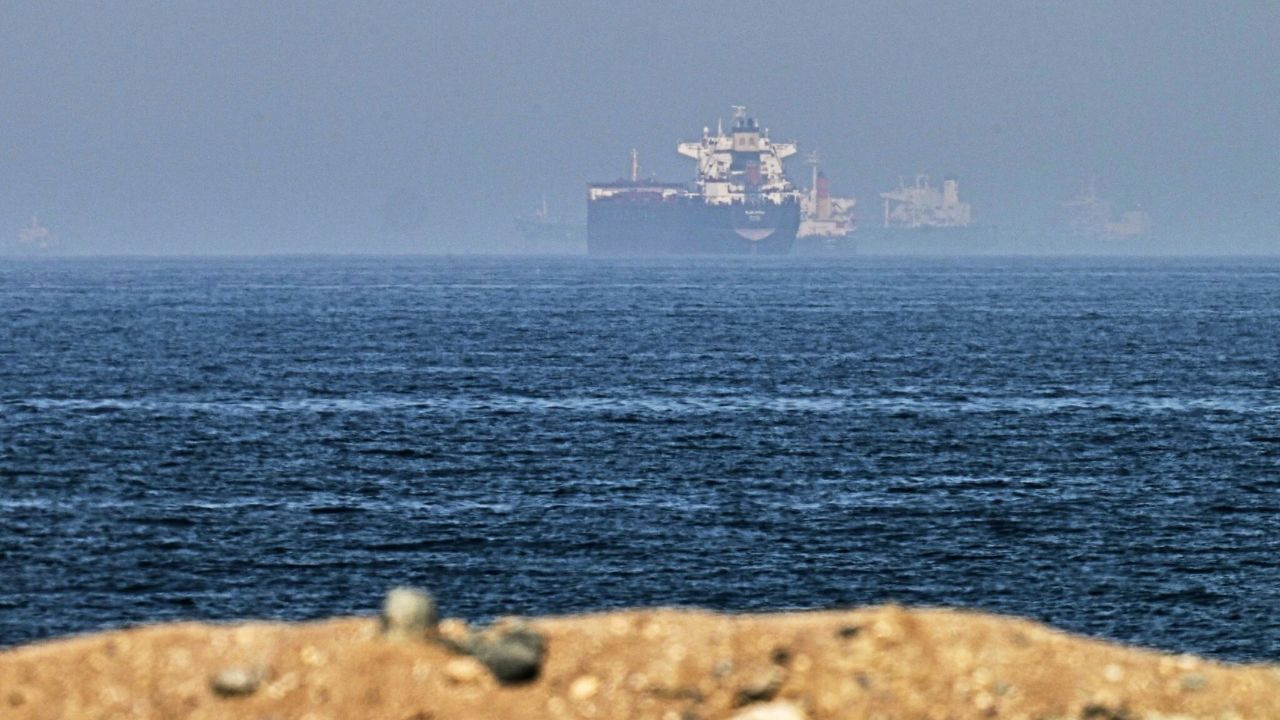
The cruise ship anchored at the port of Granadilla early on Sunday, where medical teams boarded at around 07:00 local time (06:00 GMT).
Spanish authorities and the World Health Organization (WHO) coordinated the evacuation and repatriation operation.
Passengers wearing white medical face masks could be seen walking on deck and standing near windows as evacuations began. Some evacuees, seated apart from one another on the first transfer boat, filmed and photographed the journey ashore while officials in protective suits received them.
Several British passengers, dressed in blue PPE, waved and gave thumbs-up gestures while travelling to the airport.
The arrival of the Hondius sparked concern among some local officials, including the Canary Islands’ regional president, who warned about the potential spread of the virus in Tenerife.
Hantaviruses are commonly carried by rodents. However, the Andes strain which the WHO believes some passengers contracted in South America can spread between humans.
Symptoms include fever, severe fatigue, muscle pain, stomach pain, vomiting, diarrhoea and breathing difficulties.
Helen Clark, co-chair of the Independent Panel for Pandemic Preparedness and Response (IPPR), said the incident highlighted important lessons about managing outbreaks aboard ships.
“Passengers disembarked and dispersed to the four winds when there had been a death of a potentially infectious pathogen on board,” she said.
Asked whether the world was prepared for another pandemic, Clark said more progress was needed.
“There’s not yet enough financing to support lower income countries to build capacities for early detection, surveillance, response,” she said.
She added “the direction is right if countries come together to make it possible to do far, far better than we did with Covid”.
The IPPR previously evaluated the global response to the Covid-19 pandemic.
The first death linked to the outbreak occurred on 11 April, followed by another on 2 May. A 69-year-old Dutch woman who left the ship in St Helena on 24 April later travelled to South Africa, where she died two days afterwards.
Two British men with confirmed infections are receiving treatment in the Netherlands and South Africa.
A third British national is being treated for a suspected infection on the remote Atlantic island of Tristan da Cunha, where British Army medics parachuted in with additional medical supplies.
British passengers returning to the UK will stay at an isolation facility for up to 72 hours before medical teams decide whether they can continue isolation at home or another suitable location.
After all passengers and crew disembark, the Hondius will continue to the Netherlands. Authorities there will disinfect the belongings and body of one of the deceased passengers before removing them from the ship.