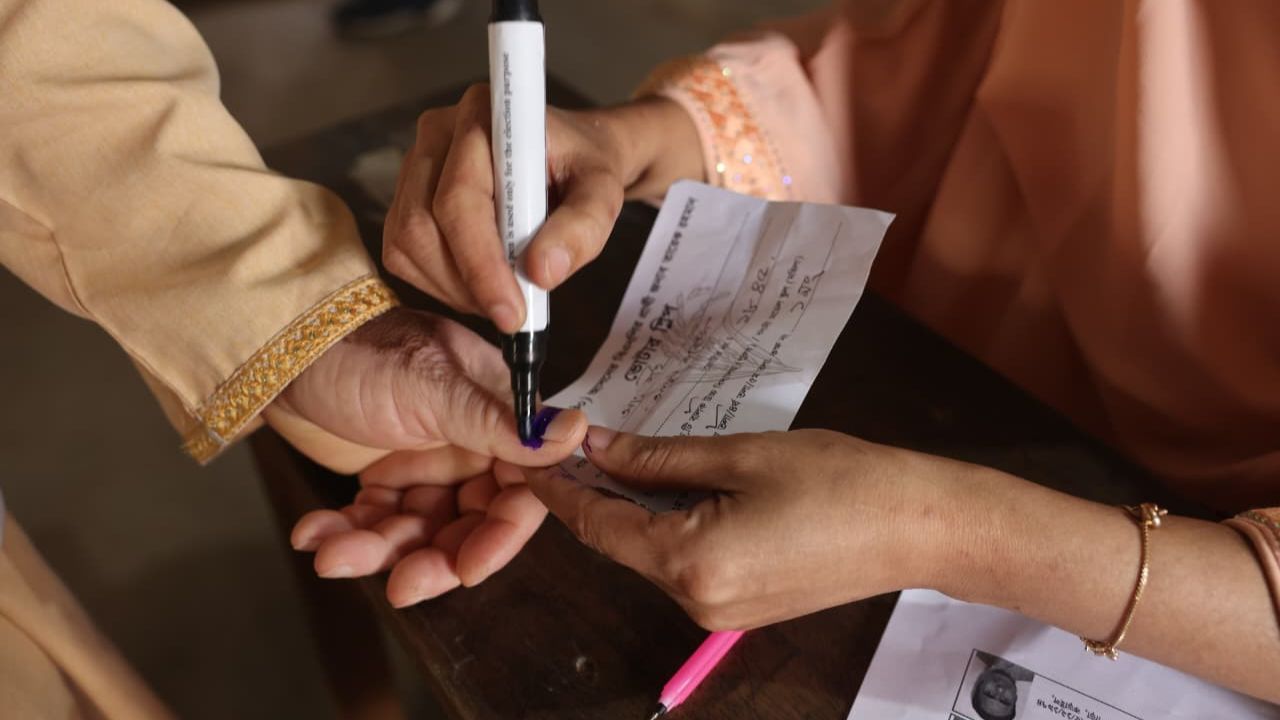

Foreign observers have described the 13th parliamentary election as acceptable, peaceful, orderly and transparent, while raising concerns over the low participation of women.
They urged the incoming government to address the imbalance and press ahead with the July reform agenda.
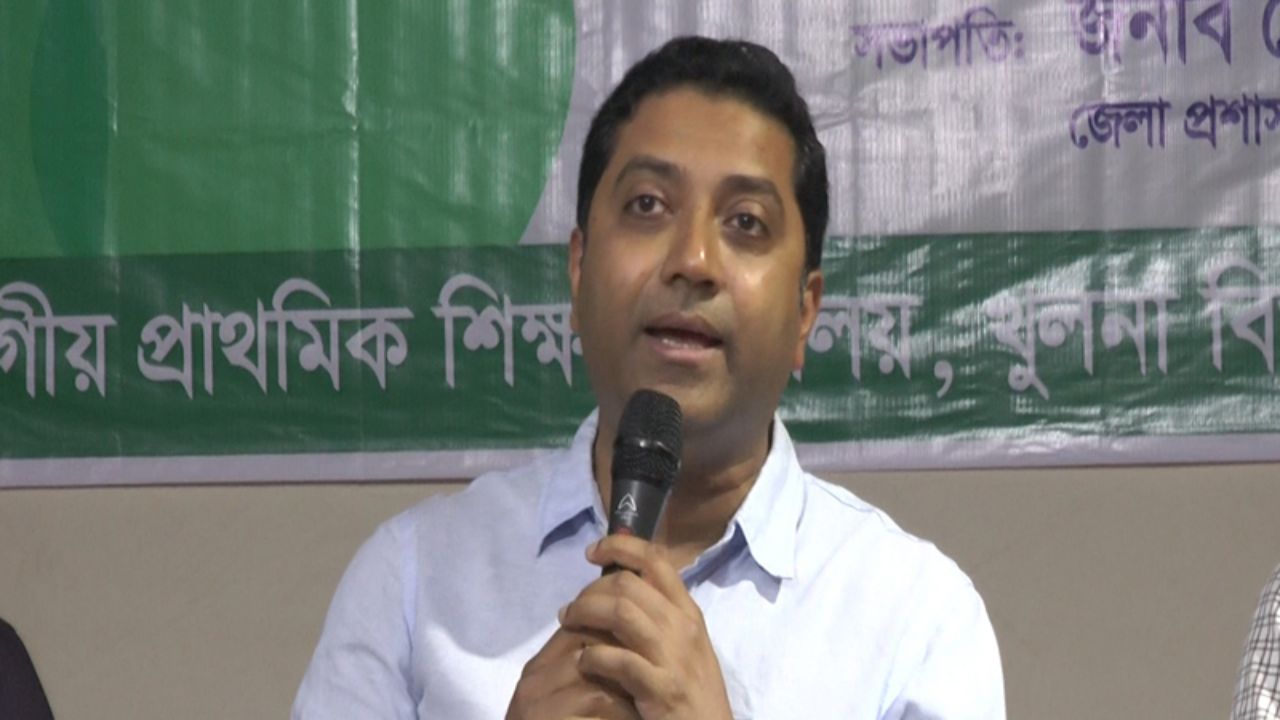
Election observation missions from the European Union and the Commonwealth, speaking at back-to-back press conferences in Dhaka, expressed overall satisfaction, calling the vote a pivotal step towards restoring democratic governance and the rule of law.
Member of the European Parliament and Chief Observer of the EU Election Observation Mission Ivars Ijabs presented the mission’s preliminary findings, fully endorsed by a European Parliament delegation led by Tomáš Zdechovský.
“The 2026 parliamentary elections were credible and competently managed, marking a pivotal step towards restoring democratic governance and the rule of law,” he said.

Ijabs highlighted the role of citizen observers, fact-checkers, and youth and women activists in rebuilding public trust, enhancing transparency and helping voters make informed choices.
However, he warned that limited political space for women, sporadic localised violence and fear of mob attacks — often fuelled by disinformation — had weakened the democratic environment. He added that the absence of affirmative measures continues to leave indigenous communities and minorities underrepresented.
“It is time to abandon outdated practices and chart a new course promoting independent institutions, human rights and accountability,” he said.



Women’s participation
All foreign observer groups voiced dissatisfaction with the low participation of women. Despite Bangladesh being led by women for nearly 35 years, only 4 per cent of candidates were women, and just seven were elected.
Ijabs said the narrow political space for women undermines democratic progress and expressed hope that newly elected leaders would ensure stronger female representation.
He noted that women played a leading role in the July 2024 mass uprising, yet their electoral presence remained marginal, reflecting what he described as weak political commitment to advancing women in national politics.
Chairperson of the Commonwealth Observer Group and former president of Ghana Nana Akufo-Addo said, “We were encouraged by the number of women voters, but more must be done to increase women’s participation, given that only 4 per cent of candidates were women and just seven were elected.”
He said the group would recommend measures to strengthen female participation in future elections, citing discussions with civil society and youth groups that pointed to online harassment and an unfavourable political climate as key obstacles.
The International Republican Institute (IRI) also noted in its preliminary report that the significant underrepresentation of women, as well as ethnic and religious minorities, remains a serious concern.
Political reform
Observers stressed the urgency of implementing the July reform agenda and ensuring inclusive political participation.
Nana Akufo-Addo said the ban on the Awami League reflects recent political developments but emphasised that future elections should include all political actors within Bangladesh’s democratic framework.
EU observers reported that social media accounts aligned with the Awami League had promoted an election boycott, with such efforts intensifying in January. By polling day, TikTok posts using related hashtags had reportedly generated around 183 million views.
Zdechovský said, “The country is now entering a crucial new phase. We urge the new parliament and government, supported by all state institutions, to implement the approved reforms.”