Fitch Ratings has revised its outlook on Bangladesh from stable to negative, citing rising external vulnerabilities and slow progress on structural reforms.
While Fitch affirmed the country’s Long-Term Issuer Default Rating at “B+,” it warned of weakening macroeconomic buffers and increased exposure to external shocks. The revision reflects heightened risks stemming from the conflict in the Middle East, which threatens both remittance inflows and energy import costs.
Nearly half of the country’s remittances, equivalent to 3.5 per cent of GDP in 2025, originate from the region, while crude oil and petroleum imports constitute approximately 15 per cent of total imports.
Foreign exchange reserves stood at $29.5 billion in March 2026, providing around four months of current external payment cover – a level below the “B” median.

Although a crawling peg and continued external financing have supported stability, Fitch warned that wider current account deficits or uncertainty regarding the IMF programme could reintroduce pressure on the currency and reserves.
Structural and fiscal constraints
The rating agency highlighted limited progress in structural reforms, including banking sector governance and institutional strengthening, alongside stalled constitutional reforms. Bangladesh’s governance ranking currently sits in the 18th percentile, well below its peer median.



Fiscal performance remains a concern due to weak revenue mobilisation.
General government revenue fell to 7.9 per cent of GDP in FY25 from 8.3 per cent a year earlier. Fitch attributed persistent budget shortfalls to tax exemptions, administrative inefficiencies, and weak compliance.
Growth and inflationary pressures
Inflation remained elevated at 8.71 per cent in March 2026, exceeding the central bank’s target range of 6.5–7 per cent. Recent price increases for diesel, petrol, kerosene, and LPG are expected to add further pressure.
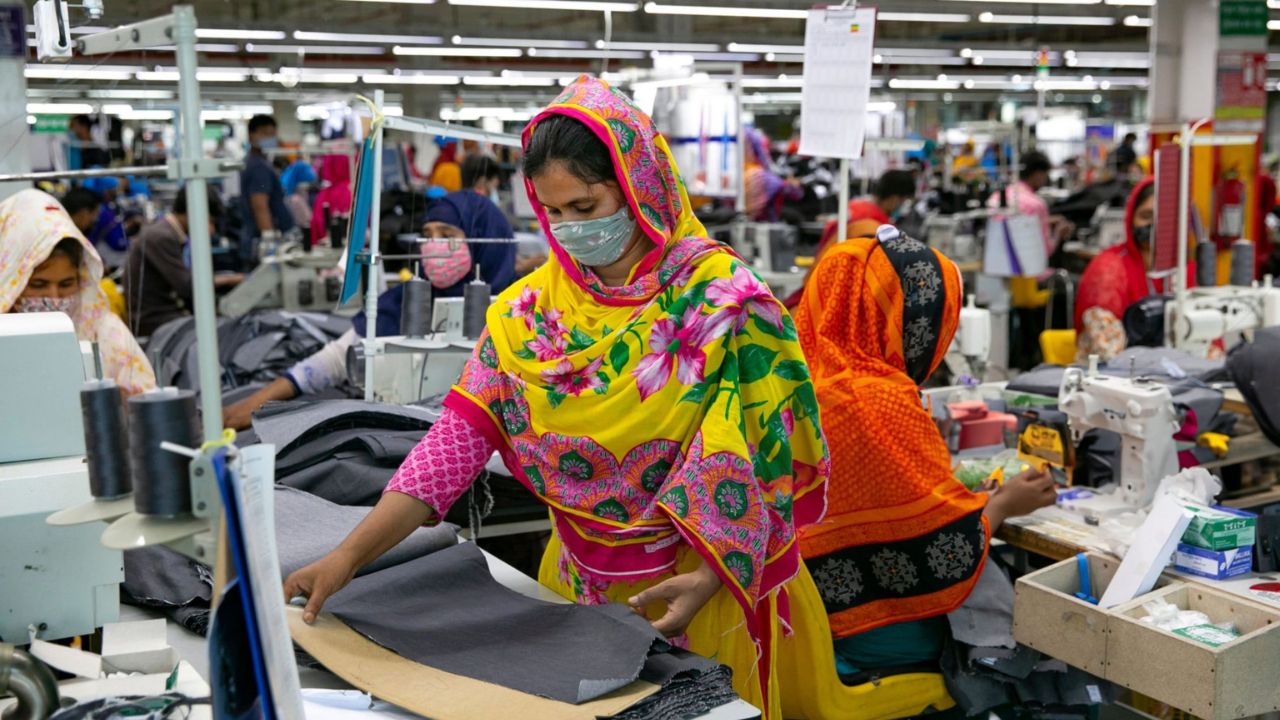
Fitch expects GDP growth to slow to 3.7 per cent in FY26 and 3.5 per cent in FY27. This slowdown is attributed to high energy costs, global uncertainty, and weaker ready-made garment exports resulting from rising domestic costs and softer demand.
Banking sector vulnerabilities
The banking sector remains a significant vulnerability, with gross non-performing loans rising to 30.6 per cent at the end of 2025, concentrated largely in state-owned banks. Private sector credit growth also slowed sharply to 6 per cent in January 2026 from nearly 10 per cent two years prior, weighing on investment activity.
While public debt is projected to remain stable at around 38 per cent of GDP, rising interest costs – now accounting for approximately 29 per cent of revenue – alongside contingent liabilities from state-owned enterprises and banks, could pressure fiscal sustainability.
Fitch concluded that a return to a stable outlook would require sustained improvement in foreign exchange reserves, stronger fiscal revenue mobilisation, and credible reforms to strengthen the banking sector and national institutions.