More than a decade has passed since they lost their child, yet the harrowing memory of their beloved daughter’s bullet-ridden body hanging from the barbed-wire fence still haunts Felani’s father Nur Islam and mother Jahanara Begum.
Their pain has deepened as they have failed to secure justice for their daughter’s killing under border laws. Although the accused member of India’s Border Security Force (BSF), Amiya Ghosh, was acquitted twice by the BSF’s General Security Force Court, Felani’s parents continue to hope for justice from India’s Supreme Court.
On the misty morning of 7 January 2011, Felani was returning to Bangladesh from India with her father, crossing the barbed-wire fence at the Anantapur border in Phulbari upazila of Kurigram. After her father crossed, BSF member Amiya Ghosh opened fire at Felani as she followed him.
The teenage girl died on the spot. The body of the 14-year-old hung on the barbed wire for nearly five hours. After two days of flag meetings held in phases, the BSF handed over the body to the Border Guard Bangladesh (BGB). She was later buried at her ancestral home in Colonytari village of Ramkhana union in Nageshwari upazila.
Although the Indian government initially attempted to treat the killing as a routine matter, the Bangladesh government and international human rights organisations protested and pressed for a speedy trial.

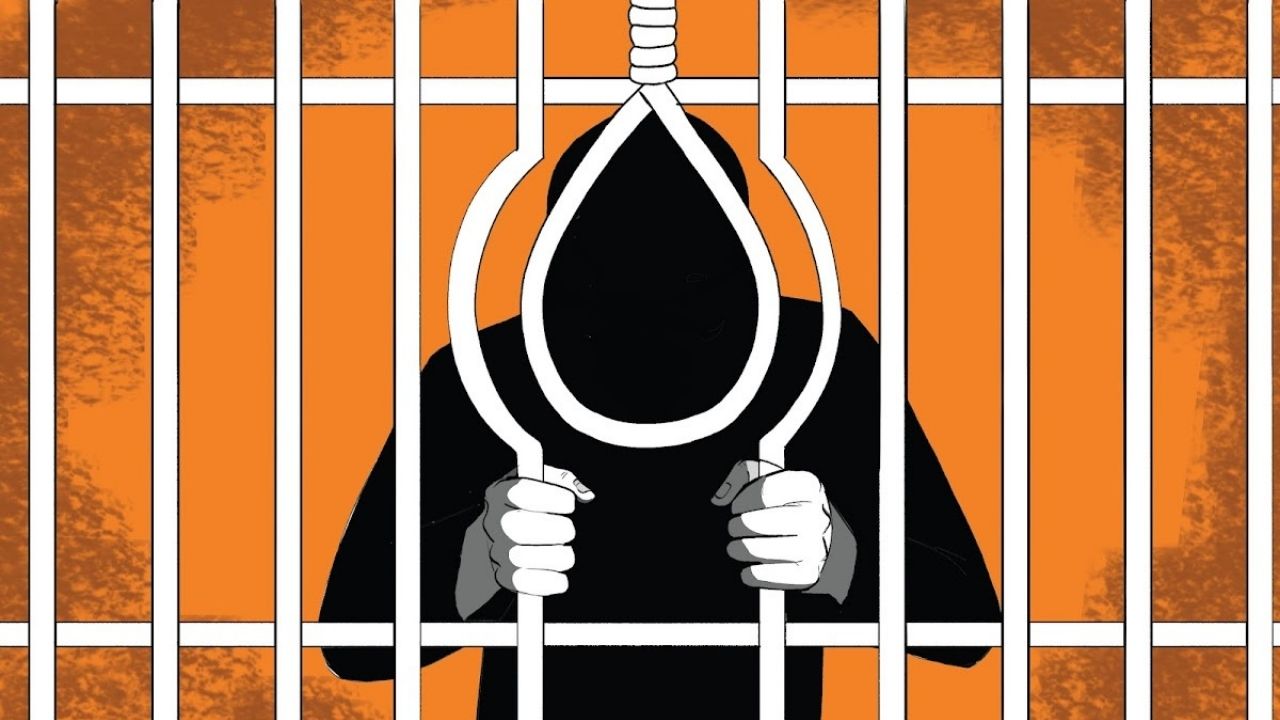
Subsequently, on 13 August 2013, the trial of Felani’s killing began at the General Security Force Court set up at the headquarters of the 181st BSF Battalion in India. On 6 September that year, the BSF’s own court acquitted the accused.
After Felani’s parents rejected the verdict, India initiated a retrial on 22 September 2014. On 2 July the following year, the accused was again acquitted.
Rejecting the retrial verdict of the General Security Force Court, Felani’s father Nur Islam and Kirity Roy, general secretary of the Kolkata-based human rights organisation Banglar Manabadhikar Suraksha Mancha, jointly filed a writ petition with India’s Supreme Court.


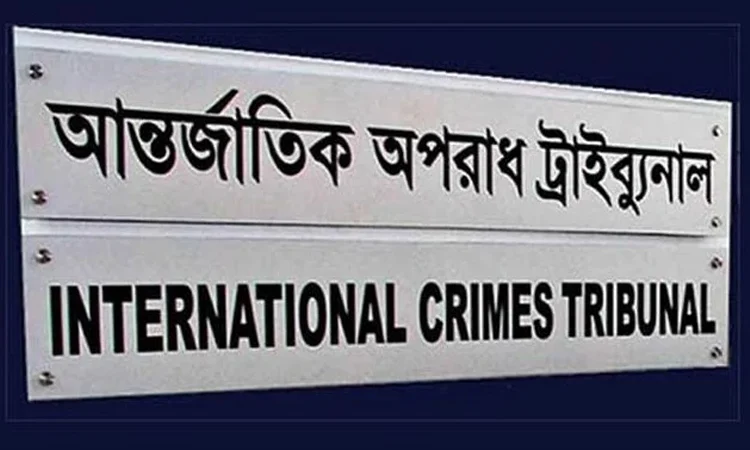

In 2015, a full bench headed by the chief justice accepted the petition after a hearing and ordered notices to be issued to the respondents.
The respondents later submitted their replies. However, dates have been deferred repeatedly, and the hearing has yet to take place.
Earlier, on 27 August 2013, Felani’s father and Salma Ali, executive director of the Bangladesh National Women Lawyers’ Association, had filed a writ petition with India’s High Court. That case has also not been heard to this day.
Appealing to the current government, Felani’s father Nur Islam and mother Jahanara Begum said, “We ask the government to assist in ensuring justice for Felani’s killing through state-to-state communication. We want justice while we are still alive. Otherwise, what answer will we give our daughter when we meet her on the other side?”
They hope that, despite the acquittal of Amiya Ghosh by the General Security Force Court, they will receive justice from India’s higher judiciary.
Felani’s family is set to hold a prayer programme at their home in Colonytari village of Ramkhana union in Nageshwari upazila on Thursday, seeking forgiveness for her soul. Felani’s father Nur Islam supports his family by running a small grocery shop in the area.
He said, “Even after 10 years, Felani’s memory has not faded at all. We arranged the milad for her soul’s forgiveness. But Felani’s soul will find peace only when the killer, Amiya Ghosh, is punished. I believe India’s Supreme Court will deliver justice for our daughter’s killing and punish the perpetrator. I am living with that hope.”
Seeking support for justice in her daughter’s killing, Felani’s mother Jahanara Begum said, “How many more years must we wait for justice? I want justice for my daughter’s murder. If I could see that justice while alive, I would feel some peace.”
Shariful Hasan, associate director of BRAC’s Migration Programme and Youth Platform, said, “If we look at recent statistics, we will see that killings along the Bangladesh-India border have not stopped; rather, they are increasing. This is not good for any country. It damages relations not only between states but also between people. These issues must be resolved, and justice is essential in all border incidents, including Felani’s killing.”
Attempts to contact Kirity Roy, general secretary of the Kolkata-based human rights organisation Banglar Manabadhikar Suraksha Mancha, for comments on Felani’s case were unsuccessful.