





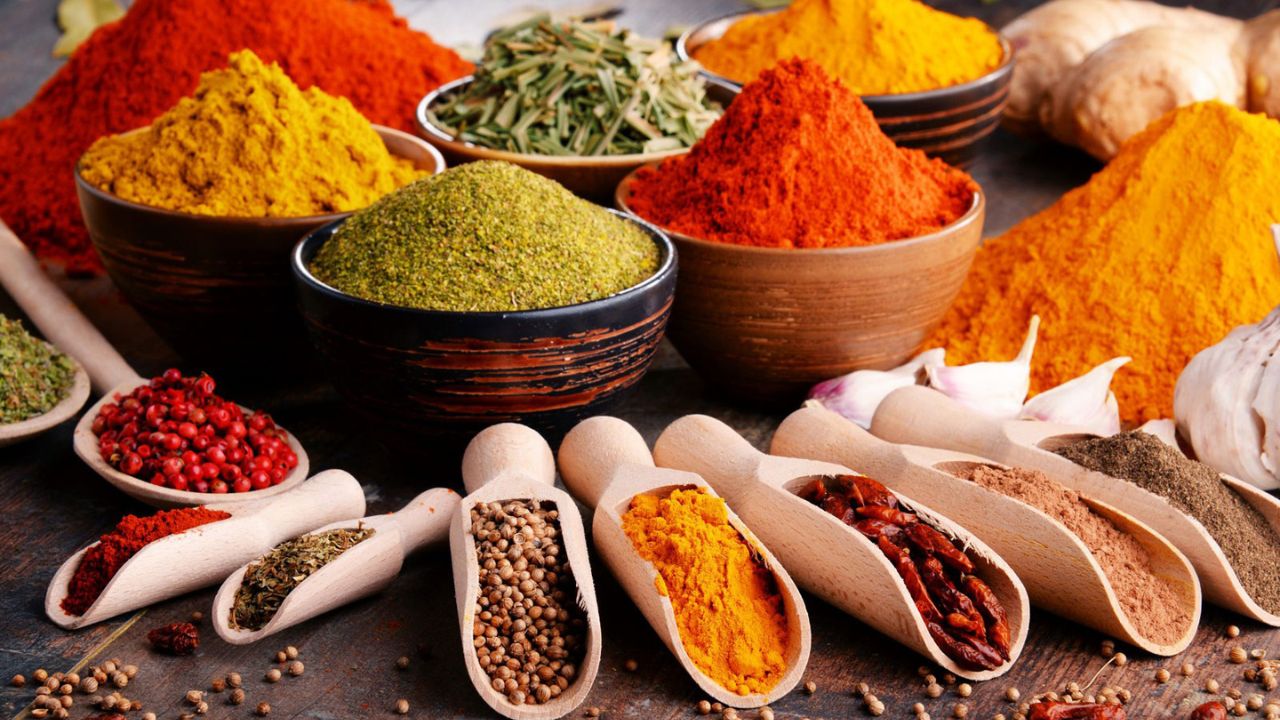
Eid-ul-Adha in Bangladesh is not just about meat — it is about flavour, aroma and tradition coming together in every home. As kitchens turn busy with qurbani preparations, a well-stocked spice rack becomes the secret behind every perfect curry, roast and grill.
From rich beef bhuna to tender mutton dishes, the right blend of spices defines the taste of Eid on Bangladeshi tables.

The backbone: onion, garlic and ginger
No Eid kitchen begins without the holy trio — onion, garlic and ginger. These form the base of almost every meat dish, from slow-cooked curries to dry fries.

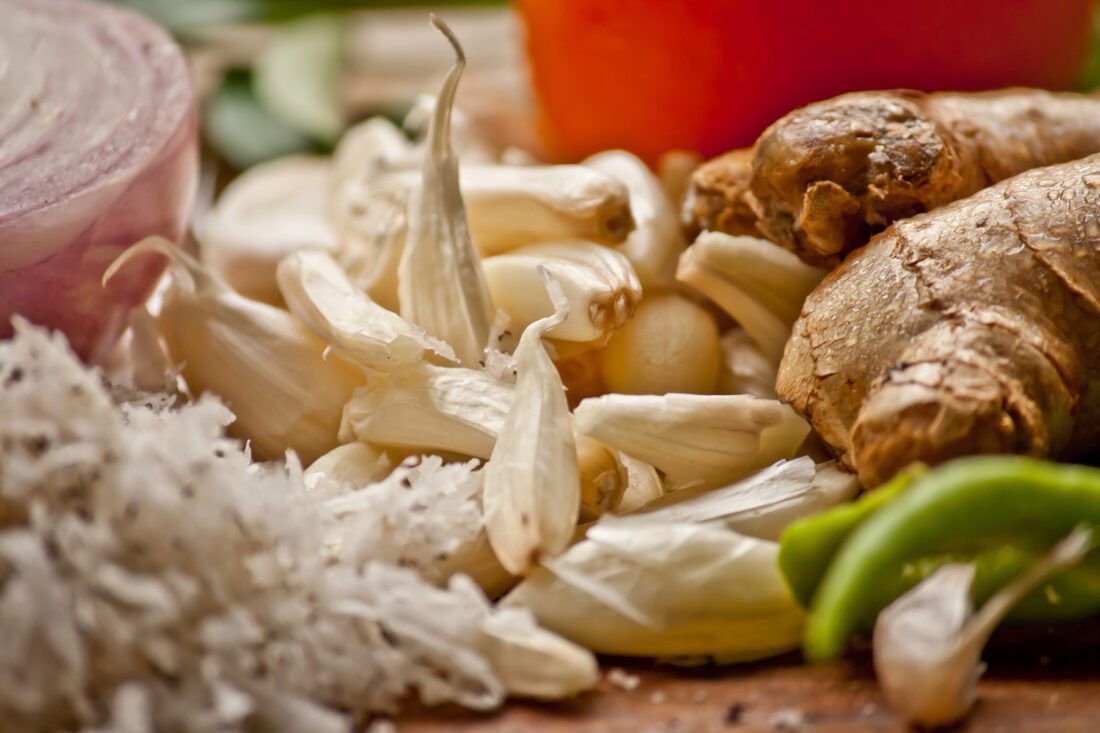
Fresh ginger adds warmth, garlic brings depth, and onion creates the body of the dish. Together, they build the foundation of flavour that makes qurbani cooking so distinctive in Bangladeshi homes.
Cumin and coriander: the everyday balance
Cumin and coriander are the most frequently used spices in Eid cooking. Cumin adds a warm, earthy aroma, while coriander powder brings a light citrusy balance.
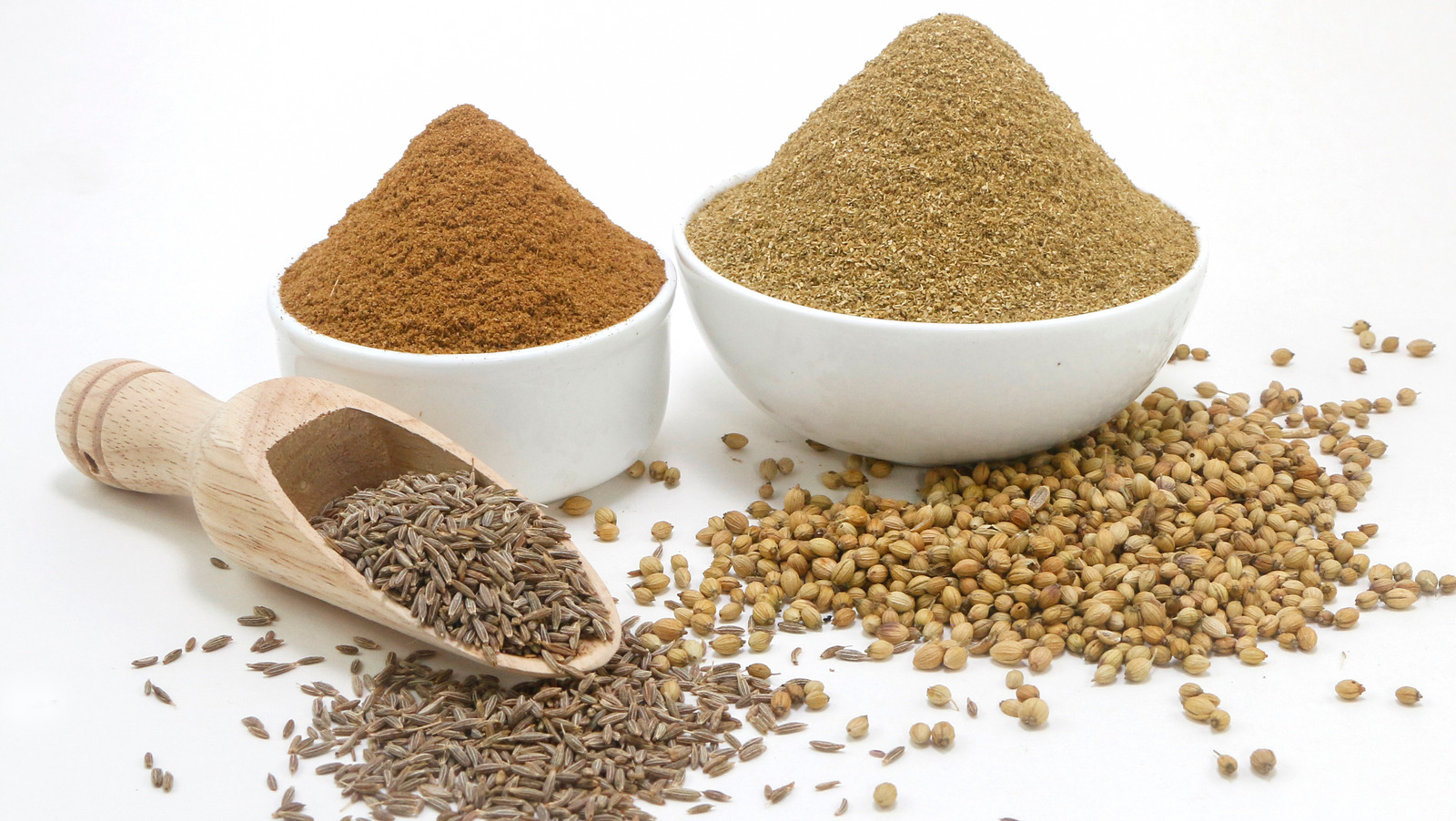
Together, they control the intensity of rich meat dishes and help create the familiar flavour profile of Bangladeshi beef and mutton curries.
Turmeric and chilli: colour and heat
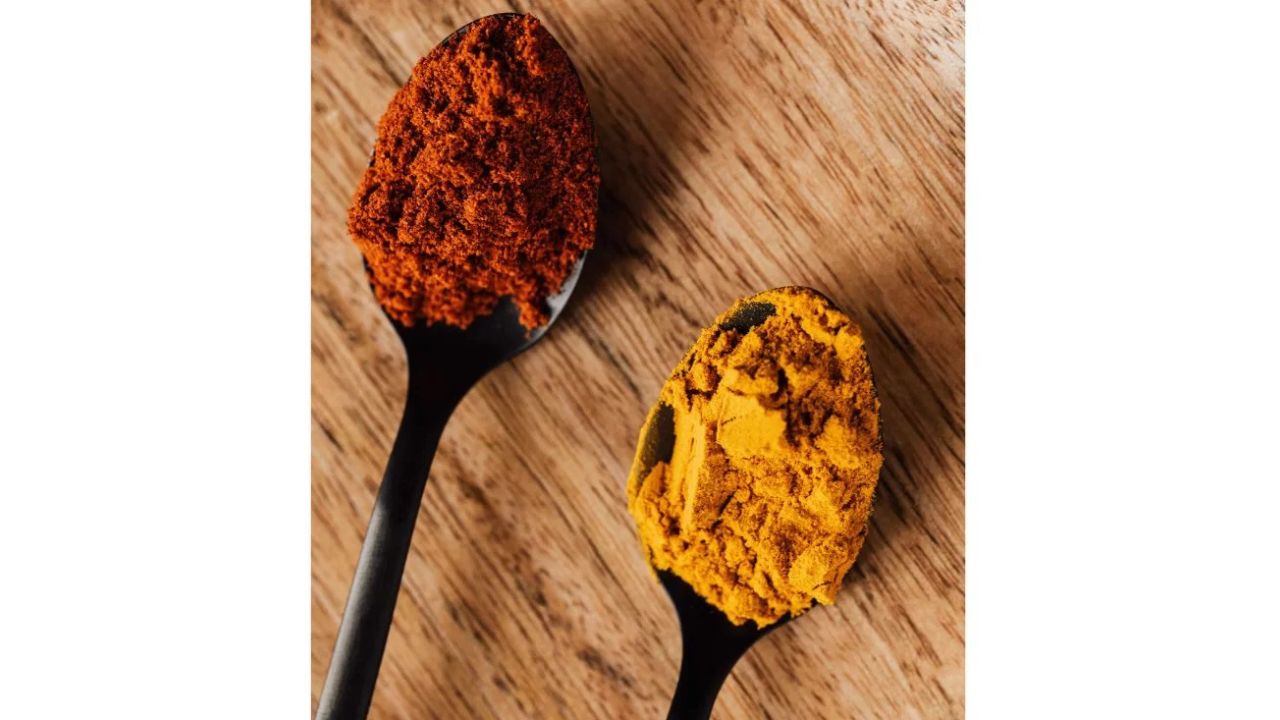
Turmeric is essential not only for colour but also for its subtle earthy tone. It gives meat curries their signature golden shade while supporting basic seasoning.
Chilli powder, on the other hand, brings heat — and during Eid, its quantity often varies from home to home depending on taste preferences. Some prefer mild warmth, while others go for a stronger, spicier kick.
Garlic paste and onion paste: time-saving heroes
During Eid rush hours, many households rely on ready-made pastes. Garlic and onion pastes save time and reduce kitchen workload, especially when cooking large quantities of meat.
They blend easily into curries, ensuring consistent flavour while keeping preparation quick and efficient.
Garam masala: the finishing touch
No Eid meat dish feels complete without garam masala. A pinch at the final stage of cooking elevates aroma and adds depth to the dish.
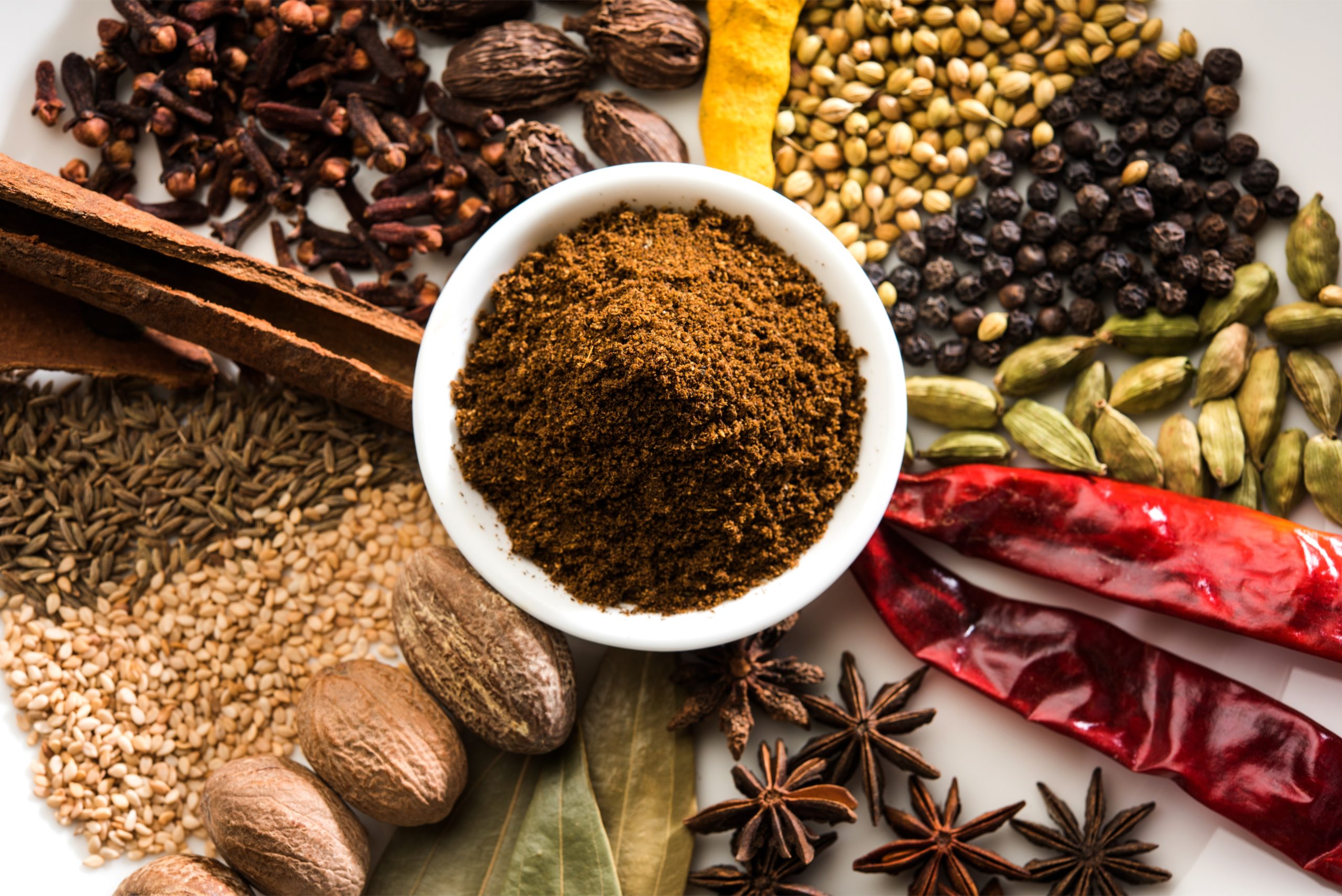
A typical Bangladeshi garam masala mix may include cinnamon, cardamom and cloves — creating that signature festive fragrance that fills kitchens during Eid.
Whole spices: the aroma builders
Bay leaves, cinnamon sticks, cardamom pods and cloves are small but powerful ingredients. They are often added at the beginning of cooking to release slow, layered aromas.
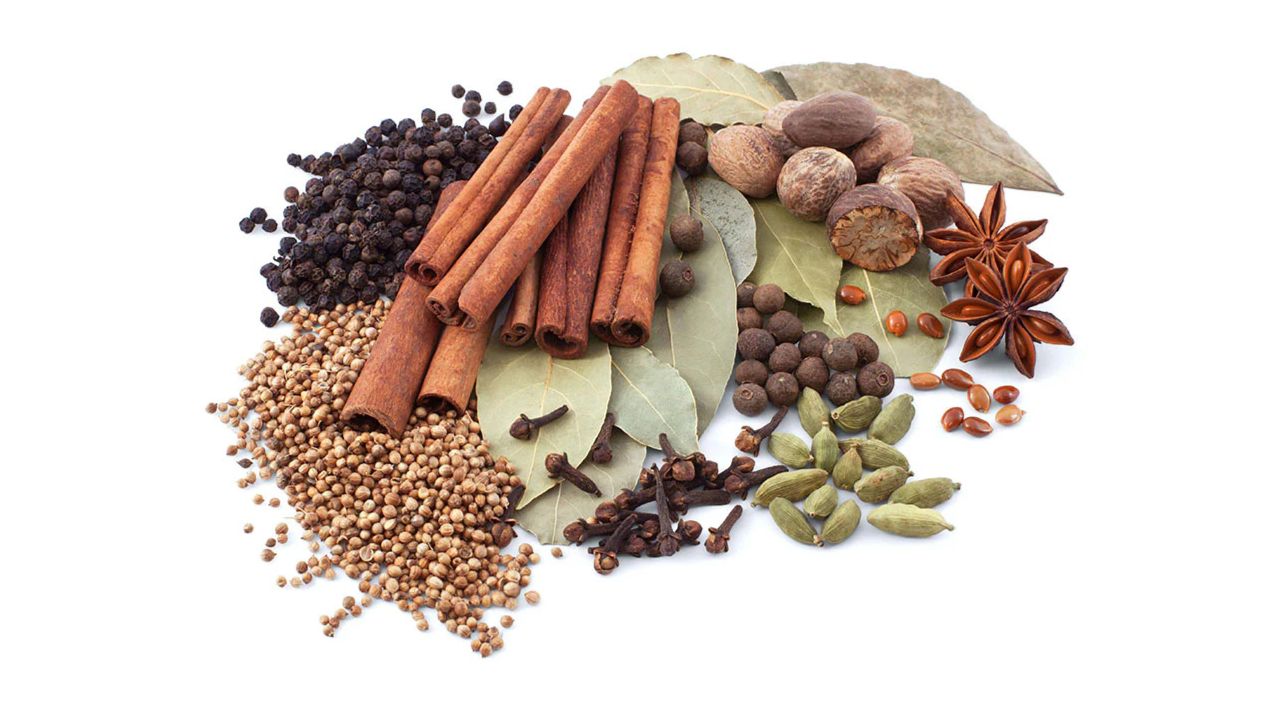
These whole spices define the traditional richness of Bangladeshi Eid dishes, especially in beef bhuna and kacchi-style preparations.
Mustard oil: the flavour carrier
In many Bangladeshi households, mustard oil is the preferred cooking medium for qurbani meat. Its strong aroma enhances flavour and gives dishes a traditional taste that is deeply rooted in regional cooking.
Used correctly, it acts as both a cooking base and a flavour enhancer.

Salt and black pepper: the silent essentials
Simple but irreplaceable, salt and black pepper control the overall balance of taste. Black pepper, in particular, is often used in lighter meat preparations and soups during Eid days.
They may seem basic, but without them, no spice blend is complete.
A kitchen built on flavour and tradition
Eid-ul-Adha cooking in Bangladesh is a celebration of spices as much as it is of meat. Every household has its own blend, its own rhythm and its own signature taste.
With a well-prepared spice rack, families can turn fresh qurbani meat into rich, memorable meals — keeping tradition alive in every bite and every shared plate.


