


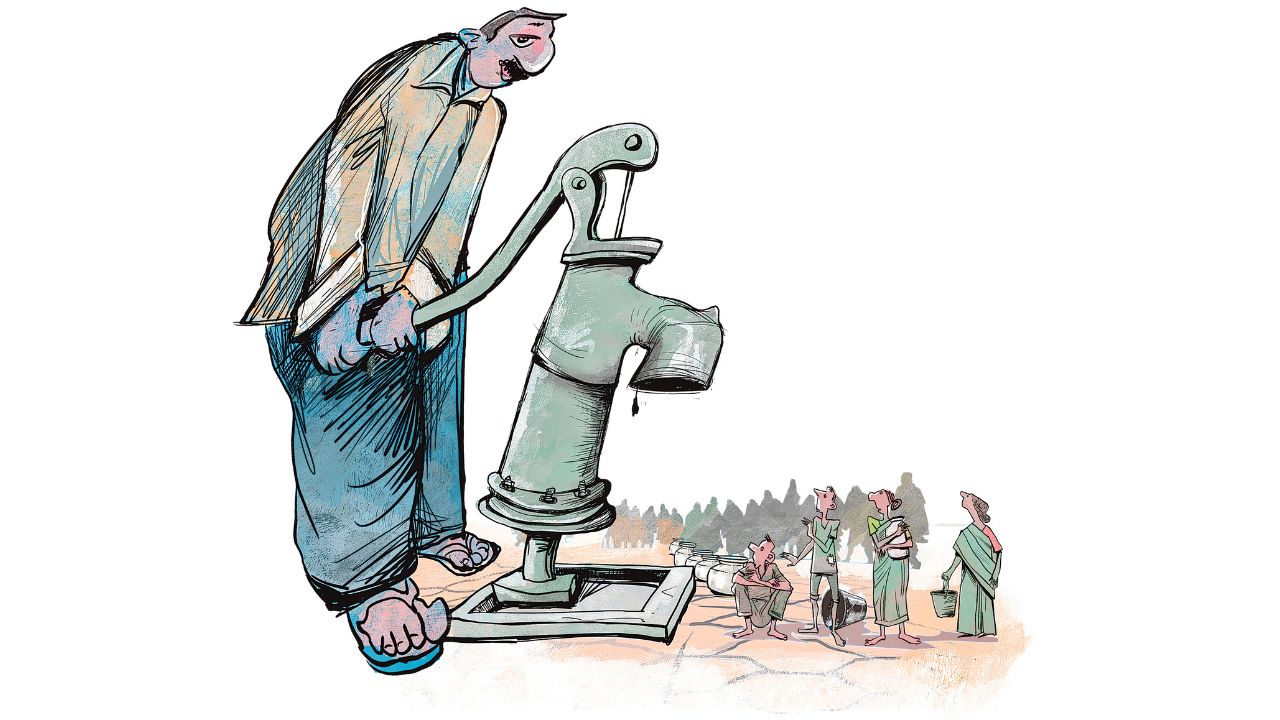



Numerous businesses have informed that more than 1,300 containers of imported goods bound for the Kamalapur inland container depot (ICD) in Dhaka are stuck at Chattogram port due to a shortage of railway engines.
As such, the unexpected delays in cargo release are causing significant financial losses for importers and exporters, they told TIMES.
In a statement on Tuesday, the Dhaka Customs Agents Association (DCAA) said a shortage of locomotives and irregular train operations have sharply reduced the movement of containers from Chattogram port to the Kamalapur ICD.
The Kamalapur ICD is a critical hub for cargo clearance and export stuffing.
Chattogram port handles around 90 per cent of Bangladesh’s international trade, while the Kamalapur ICD plays a central role in shifting containers inland by rail, easing pressure on highways and supporting time-sensitive exports.
The association warned that prolonged congestion could disrupt factory delivery schedules and shipment timelines, particularly for exporters in the garments sector.
Despite multiple coordination meetings involving port authorities, Bangladesh Railway and private-sector stakeholders, agreed steps – including permanent deployment of at least four locomotives for Kamalapur-bound container services – have yet to be implemented, the DCAA said.
The association urged authorities to immediately assign dedicated railway engines and restore regular ICD-bound train operations, warning that continued delays could drive up demurrage costs, slow exports and weaken trade competitiveness.
Bangladesh railway authority acknowledged the congestion but cited system-wide constraints.
A senior railway official said the operator is grappling with a nationwide locomotive shortage due to maintenance schedules and delayed fleet expansion.
“Within our current capacity, Kamalapur–bound container trains from Chattogram port are being prioritised,” the official said, adding that easing the bottleneck would also require closer coordination with port terminals and other agencies.
Rail-based container transport to Kamalapur is a cornerstone of Bangladesh’s logistics strategy.
Persistent rail disruptions risk diverting more cargo to already congested roads, increasing transport costs and undermining the country’s export performance at a time of global economic uncertainty.


