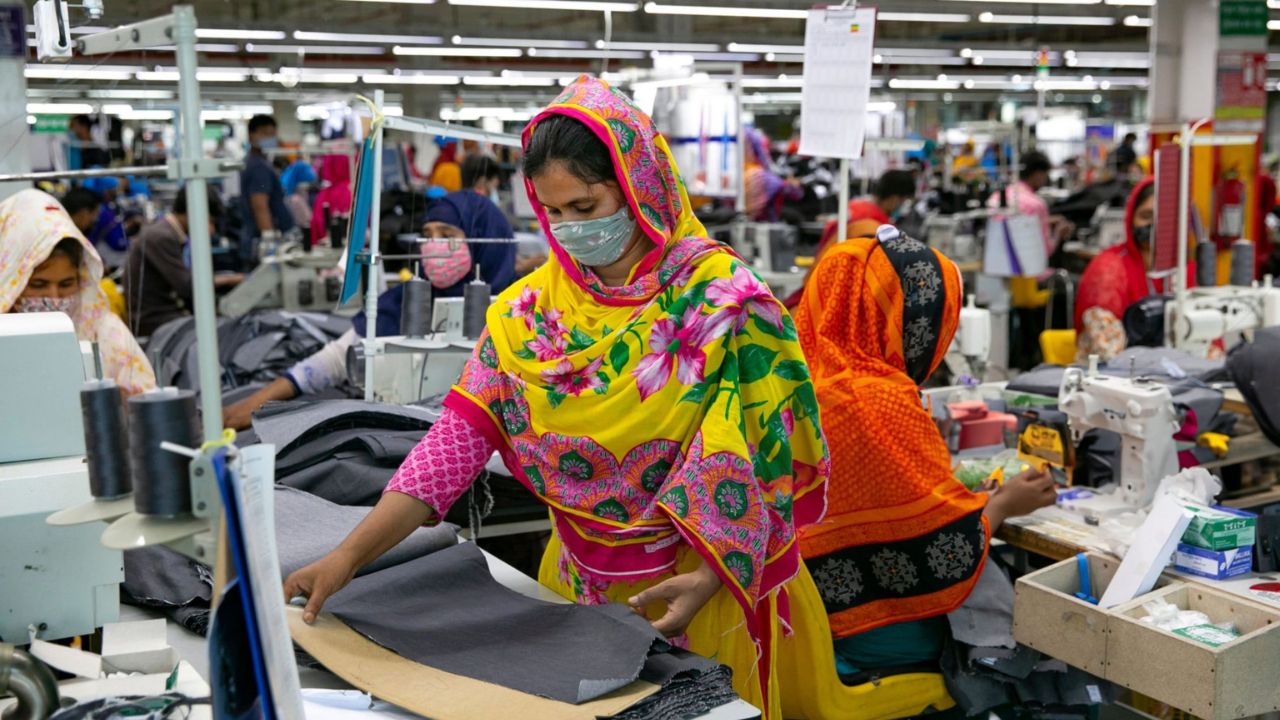
Every day, our cities rise higher. New towers, flyovers, shopping malls, glass and concrete dreams touch the sky. But at ground level, something else is rising quietly: risk. On most construction sites, safety is missing. Not forgotten or delayed, simply ignored.
When a metal rod is being cut, sparks fly. There is no protective shield, no safety goggles, no gloves. The worker squints, turns his face slightly, and hopes the blade doesn’t slip. If it does, the injury will be instant and permanent. Yet the machine keeps running because work must go on.
Nearby, workers mix cement with their bare hands. The dust rises and hangs in the air. No masks or respirators. Cement particles enter lungs, stick to skin, and burn eyes. Prolonged exposure causes chronic breathing problems and skin disease. But masks cost money, and time costs more.

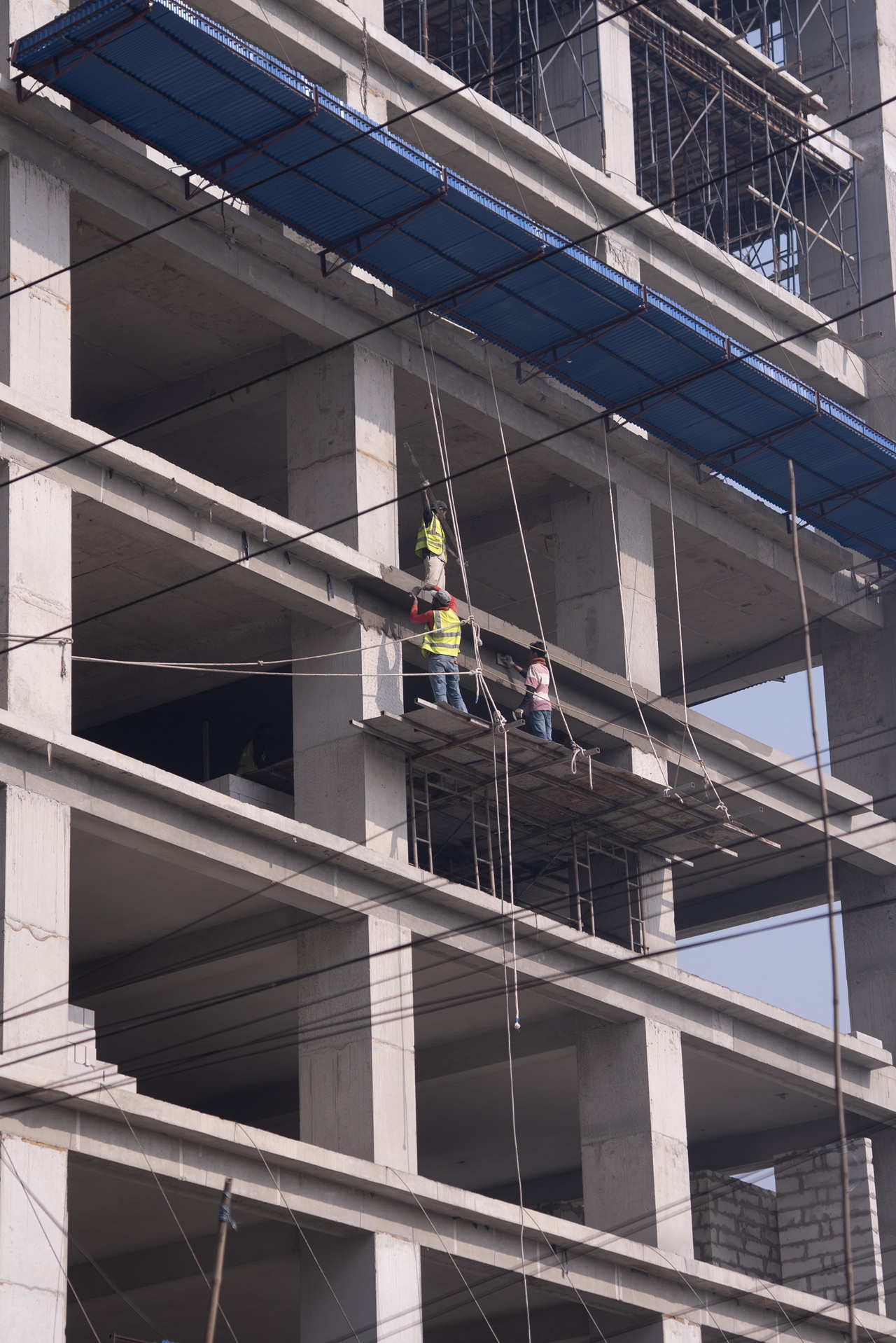
On the edge of an unfinished floor, a man stands several stories above the ground. No harness, safety rope or helmet. Just a narrow slab of concrete beneath his feet. One wrong step, sudden dizziness or a push of wind, that is all it takes. Height does not forgive mistakes.



A falling brick can kill; a nail can cripple. Yet workers continue barefoot or in thin sandals, navigating sharp rods as if it is normal. Most of these workers are daily labourers. They are paid by the day, not by safety standards. If they refuse risky work, someone else will take their place. If they ask for protection, they are called difficult. If they get injured, they are replaced. Accidents are treated as fate. But this is not fate but neglect.
Construction safety laws exist in Bangladesh. Guidelines are written, and rules are printed. But on sites, enforcement is invisible. Inspections are rare, and penalties are weaker than concrete dust.
We admire the skyline, never asking how many lives it costs. Helmet, mask and safety harness are not optional. These are basic protections for people who are literally holding our cities on their shoulders. If development is measured only in floors and flyovers, then we are building fast. But if it is measured in human dignity and safety, we are dangerously behind.