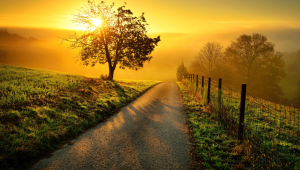
The Earth Day 2026 theme is: “Our Power, Our Planet,” focusing on mobilising collective community action and strengthening environmental resilience and accelerating the transition from fossil fuels. Earth Day was started on April 22, 1970, founded by U.S. Senator Gaylord Nelson as a national teach-in to raise awareness about environmental issues following a massive 1969 oil spill in Santa Barbara, California. It became a global movement by 1990 and is now celebrated annually by more than 1 billion people worldwide.
Earth is the third planet in distance away from the Sun and the only known astronomical object in the universe to support life, to our knowledge. Formed approximately 4.5-4.6 billion years ago, this rocky, terrestrial planet is covered by about 71% water. It possesses a protective atmosphere composed primarily of nitrogen and oxygen, allowing it to sustain diverse ecosystems. Earth is the only livable planet and our only home, requiring urgent action to address climate change, biodiversity loss, and pollution. This mantra emphasises living sustainably in harmony with nature and protecting our fragile, irreplaceable planet.
We depend completely on the Earth’s natural systems for the things we need to survive. The air we breathe, the water we drink, the soil that grows our food, these are not things we create, but gifts from a working natural system. Biodiverse countries globally, with potentially tens of thousands of species, provide countless unseen benefits, from potential medicines to the very stability of ecosystems that support agriculture and protect against disasters. Our well-being is strongly linked to the well-being of these natural systems.
Most importantly, these environmental effects circle back to impact us directly. A damaged environment inevitably affects human health, economies and social peace. Health experts continually warn that it directly contributes to increased respiratory illnesses, cardiovascular problems, and potentially thousands of premature deaths annually.

Deforestation, especially the conversion of natural forests to other uses in areas like the Central Highlands, degrades soil, reduces biodiversity, and can negatively impact local water availability. It is undermining the long-term prospects for the community dependent on those natural resources. Problems with nature aren’t separate from human problems; they are closely linked.
Climate change refers to long-term shifts in temperatures and weather patterns, primarily driven by human activities since the 1800s, such as burning fossil fuels (e.g., coal, oil, gas). These activities emit greenhouse gases that act like a blanket, trapping heat and raising global temperatures. Climate change has profoundly altered Earth by increasing global temperatures, causing sea levels to rise, melting ice, and increasing the frequency of extreme weather events. These impacts disrupt ecosystems, reduce water availability, destroy habitats, and intensify disasters like wildfires and hurricanes.




Oceans absorb excess heat and carbon dioxide, resulting in warmer waters, marine heatwaves, and ocean acidification, which threatens marine ecosystems and coral reefs. Climate change causes water scarcity, reduces agricultural production, increases food insecurity, and drives displacement.
Protecting the planet is essential for human survival and well-being, as nature provides clean air, water, food, and resources worth at least US$125 trillion annually. Protecting the environment maintains ecological balance, stabilises the climate, supports biodiversity, and prevents natural disasters. Without urgent action to reduce pollution, deforestation, and carbon emissions, we risk creating an uninhabitable world for future generations.
Protecting ecosystems such as forests, oceans, and wetlands saves wildlife and prevents the destruction of natural habitats. The natural world is the foundation of our economy, impacting industries like agriculture, fishing, and tourism.
Immediate environmental protection ensures that children and future generations have a sustainable and healthy world to live in. Individuals can make a difference by reducing waste, recycling, reducing plastic usage, using renewable energy, and conserving water. Small actions, such as planting trees, can help improve air quality and provide homes for animals.
So, let’s work together towards a future that can last, where both people and the natural world can do well. The lasting message of Earth Day is a call to look after the complex connections that support us all. Above all, we must save the earth to save the people.
The writer is a journalist, columnist, and researcher. E-mail: [email protected]