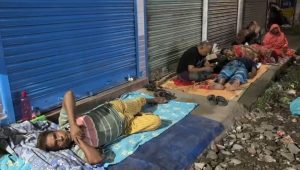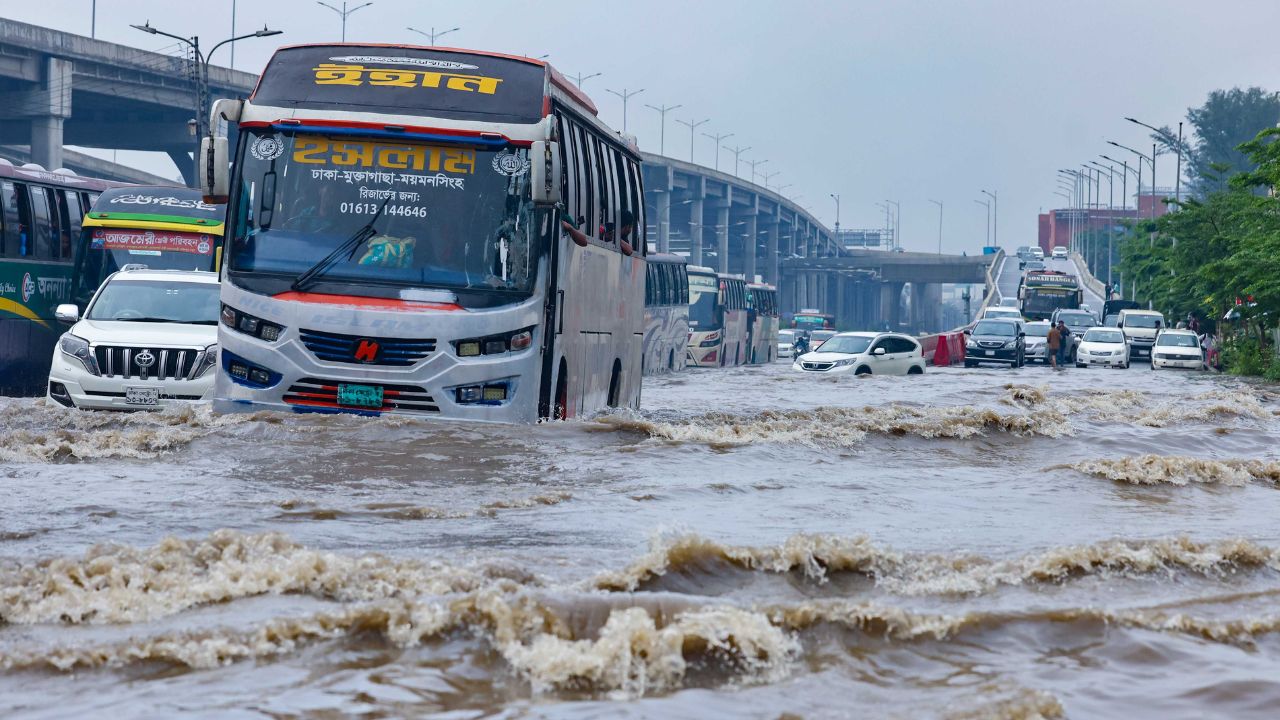



The first heavy shower of the monsoon no longer brings relief to Dhaka. Instead, it brings anxiety. Within hours of sustained rainfall, roads disappear beneath murky water, vehicles grind to a halt, neighbourhoods become islands, and office-goers find themselves stranded.
From Uttara to Panthapath, Mirpur to Motijheel, the same scenes play out year after year – despite billions of taka spent on drainage projects.
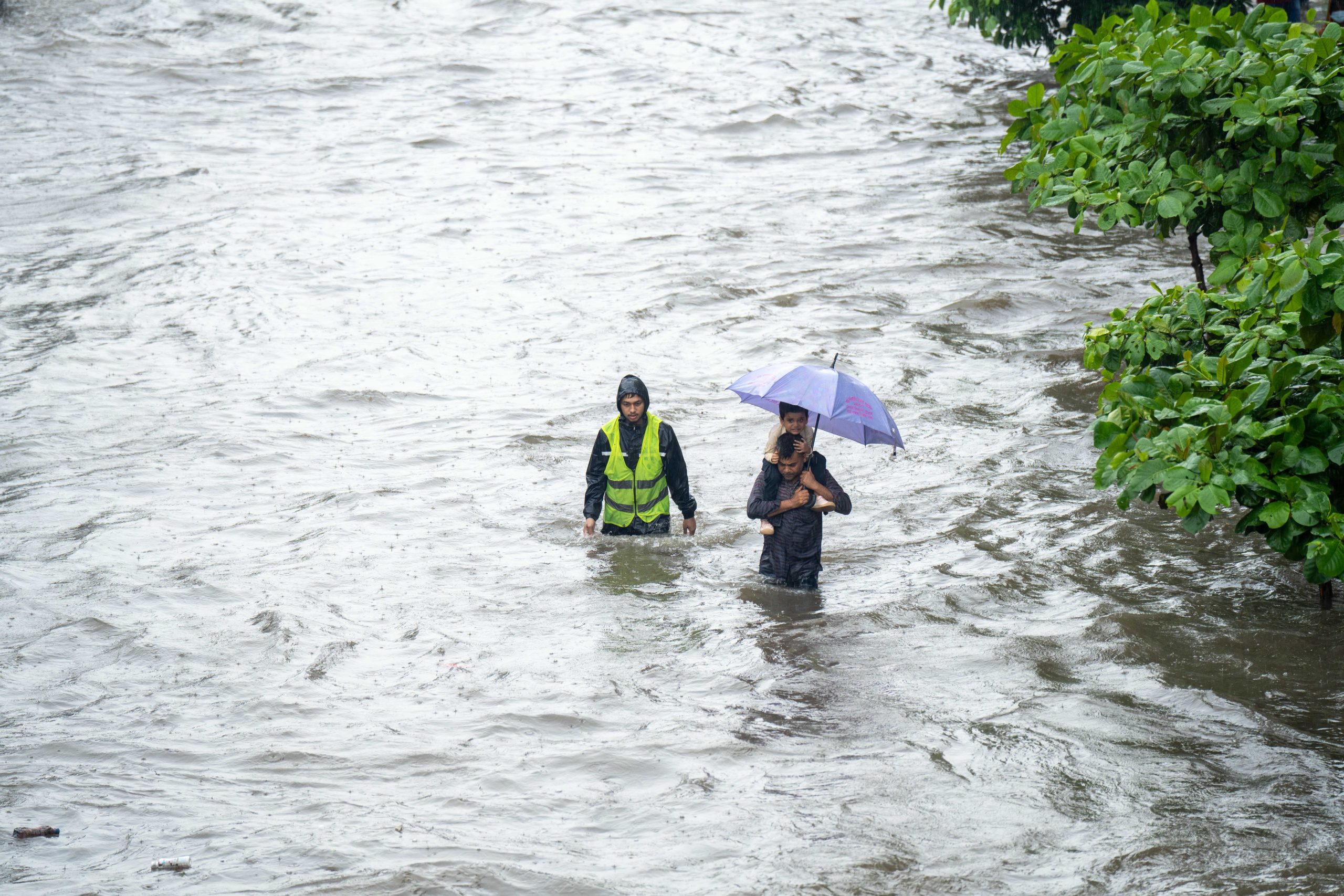
Successive governments have invested thousands of crores in drains, canals, pumping stations and flood-control schemes – but to no avail. A fresh project worth Tk3,899 crore is now on the table, even as questions remain over why earlier initiatives failed to deliver lasting results.

Experts point to shrinking canals, poor coordination among agencies, faulty planning, and inadequate maintenance as the reasons behind Dhaka’s recurring misery.
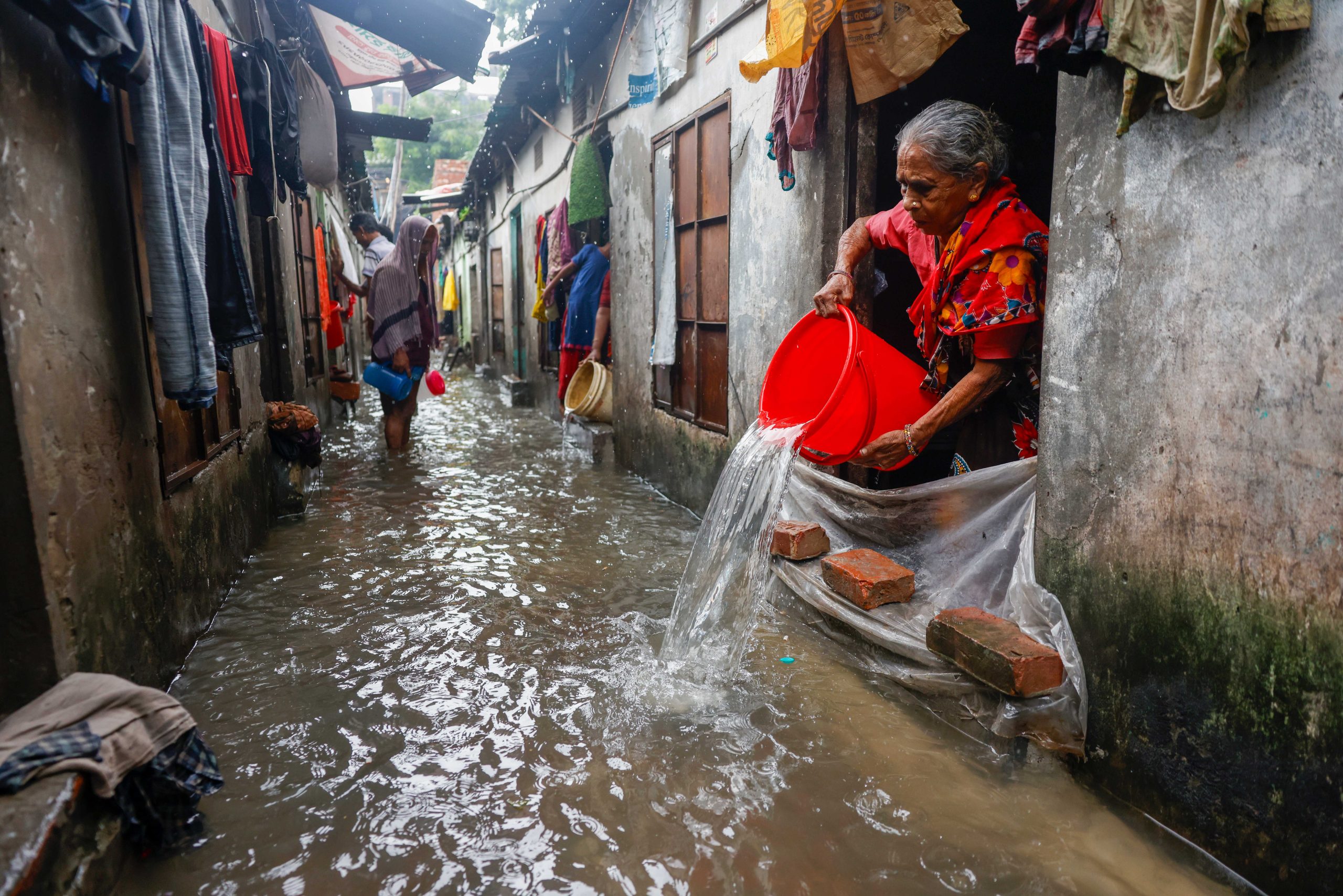
For commuters, the consequences are immediate. Maruf Tushar, 40, a resident of Uttara who travels daily to his office in Karwan Bazar, described the ordeal: “I had to change rickshaws several times because of the waterlogging and wait for a long time, as most drivers refused to go through the flooded roads.




Those who agreed charged much higher fares. It’s disappointing that every government promises to solve this problem, yet every monsoon we find ourselves facing the same situation.”
But while failed infrastructure bears much of the blame, many residents believe public behaviour also contributes to the crisis.
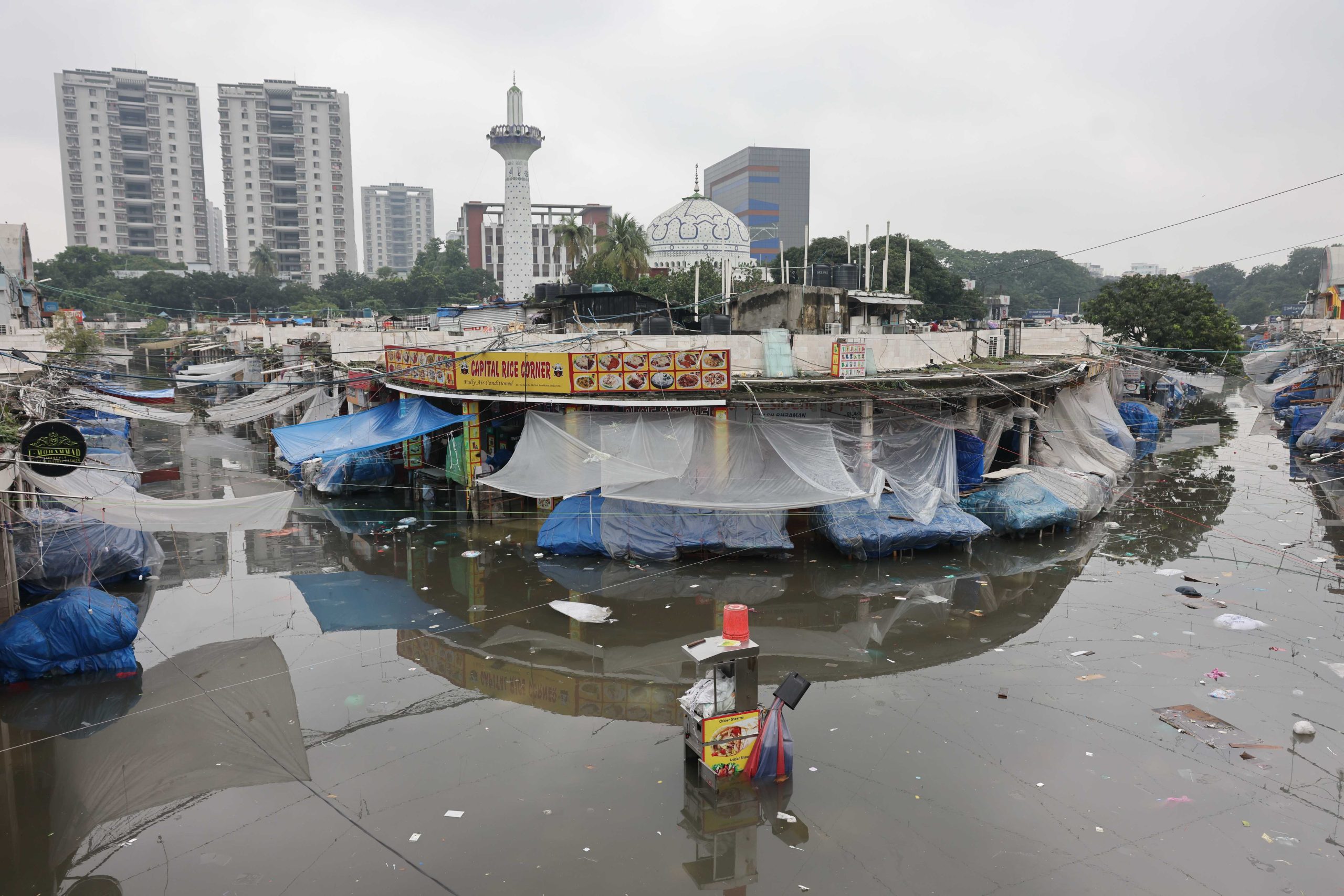
Afia Tabassum Nilu, 36, a resident of Panthapath, said, “We also have to accept that we are partly responsible. Many people throw chip packets, polythene bags, tissues and other waste onto the streets, which eventually clog the drains and manholes. Proper waste management and civic responsibility should be taught from an early age so future generations can help prevent problems like this.”
Her words reflect two sides of the same problem: Weak urban planning and weak civic responsibility.
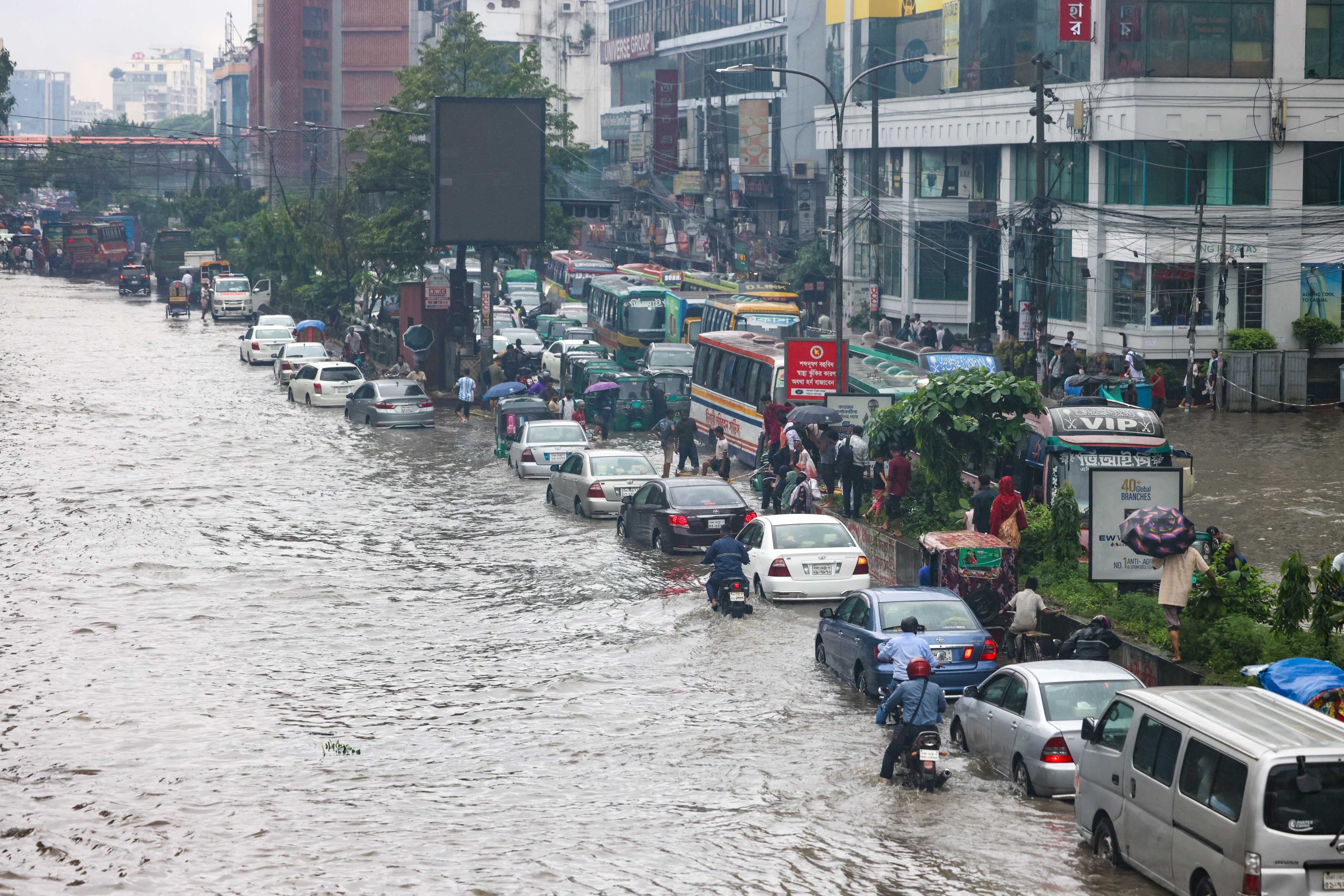
As climate change brings more intense rainfall, Dhaka’s drainage system faces even greater pressure. Unless canals are restored, drainage networks are properly maintained, institutions are held accountable, and citizens become more responsible with waste disposal, every downpour will continue to turn the capital into a city struggling to stay afloat.