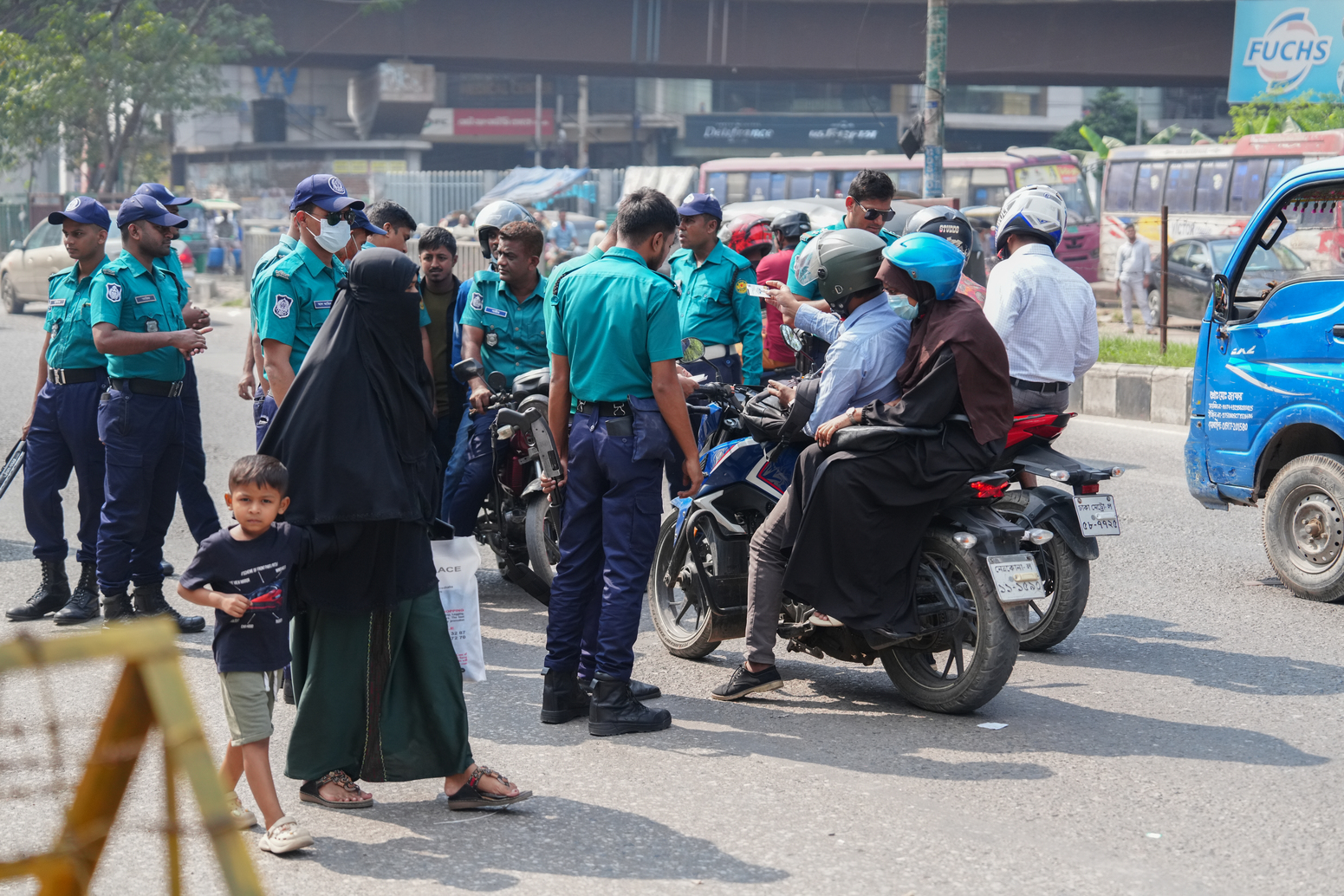

On November 13, the announcement of the “Dhaka Lockdown” by the Awami League, a party that has a ban on its activities, has set the capital on edge. Intelligence reports say some 34 police checkpoints have been installed across Dhaka to prevent arson attacks and explosions tied to the protest call. The deployment of the army to what are deemed “vulnerable zones” is also in full swing.
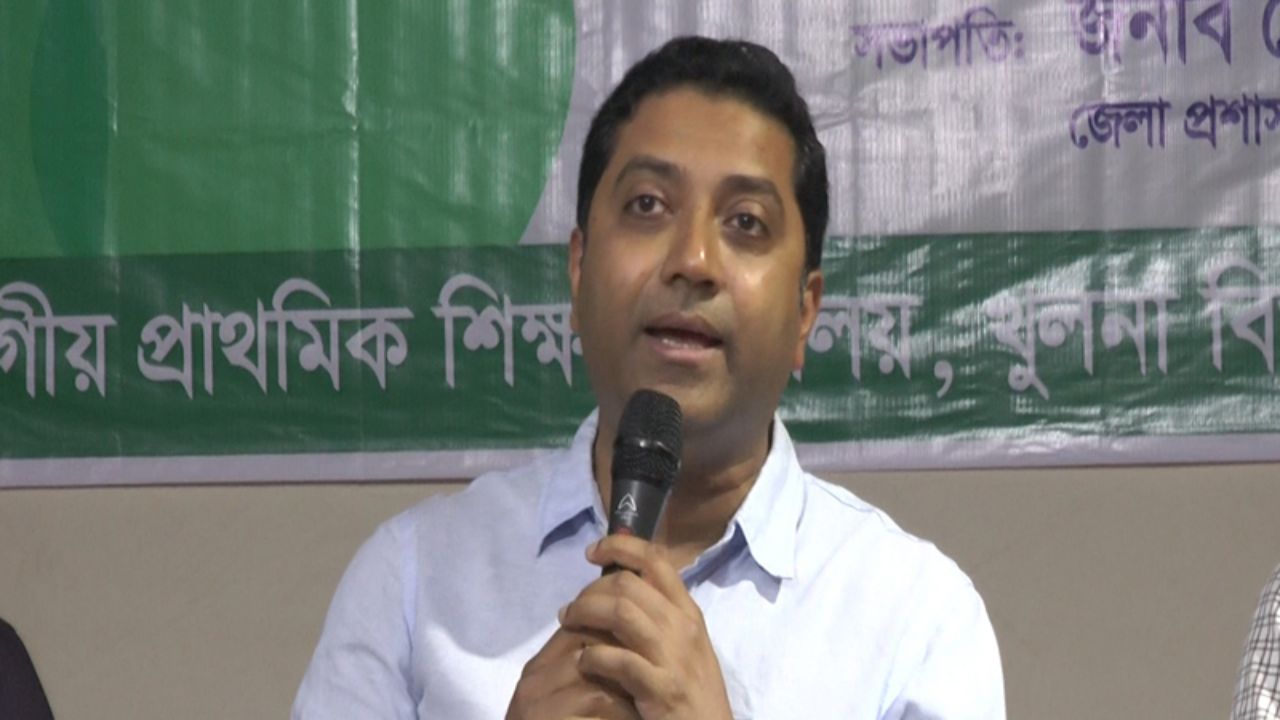
At a recent press briefing, Home Adviser Lt Gen (retd) Jahangir Alam Chowdhury declared that the law-enforcement agencies are operating in full coordination. Patrols and static duties are being expanded, and that “there is no cause for concern” on the day.
He said any intelligence of subversive activity will be acted on immediately. Security has been tightened at key installations: the tribunal, metro-rail and railway areas included.

Meanwhile, the city police chief urged residents not to panic and at the same time to “report any suspicious movement” via the emergency number 999.
But beneath the official calm lies a more uneasy reality for many ordinary citizens. The growing number of checkpoints and heavy security presence has disrupted daily life. Commuters are being stopped for ID checks. Delivery riders are held up without a clear reason. Many roads are blocked or slowed down, making movement difficult.
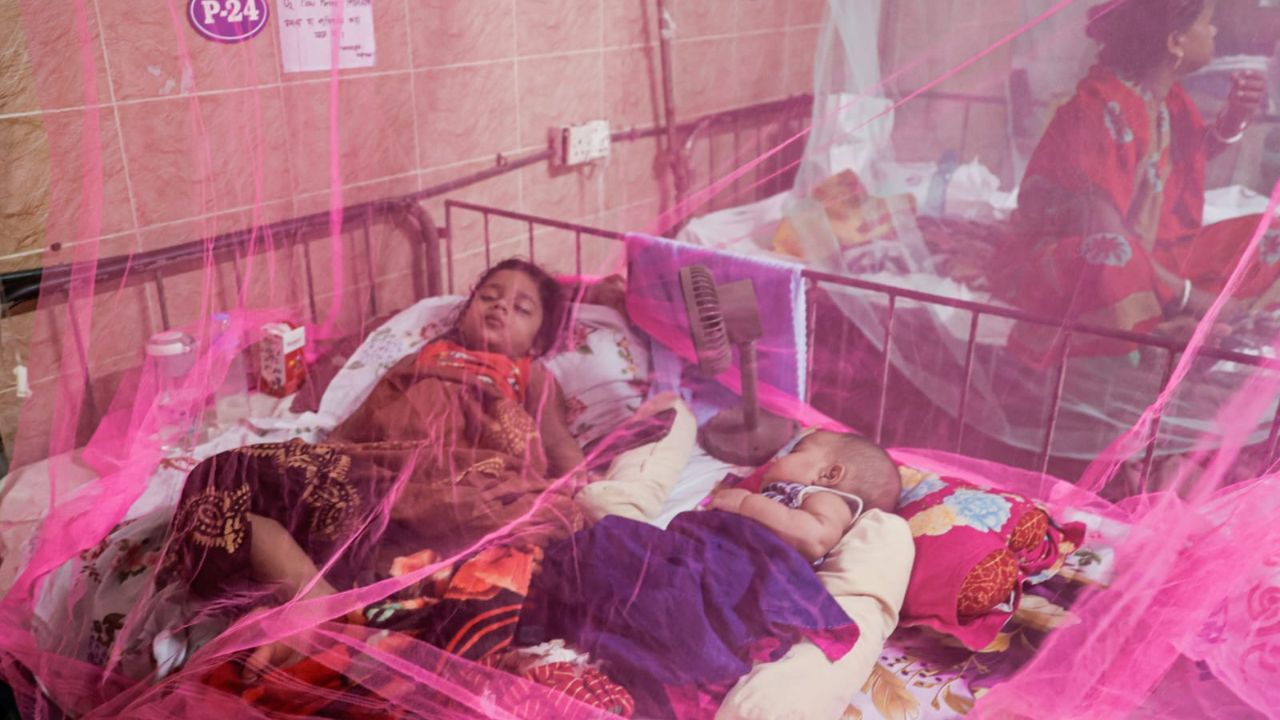


For many, this doesn’t feel like protection from arsonists anymore. It feels more like a blanket freeze on public movement. The security forces now seem to be playing the lead role, not just acting as guardians.
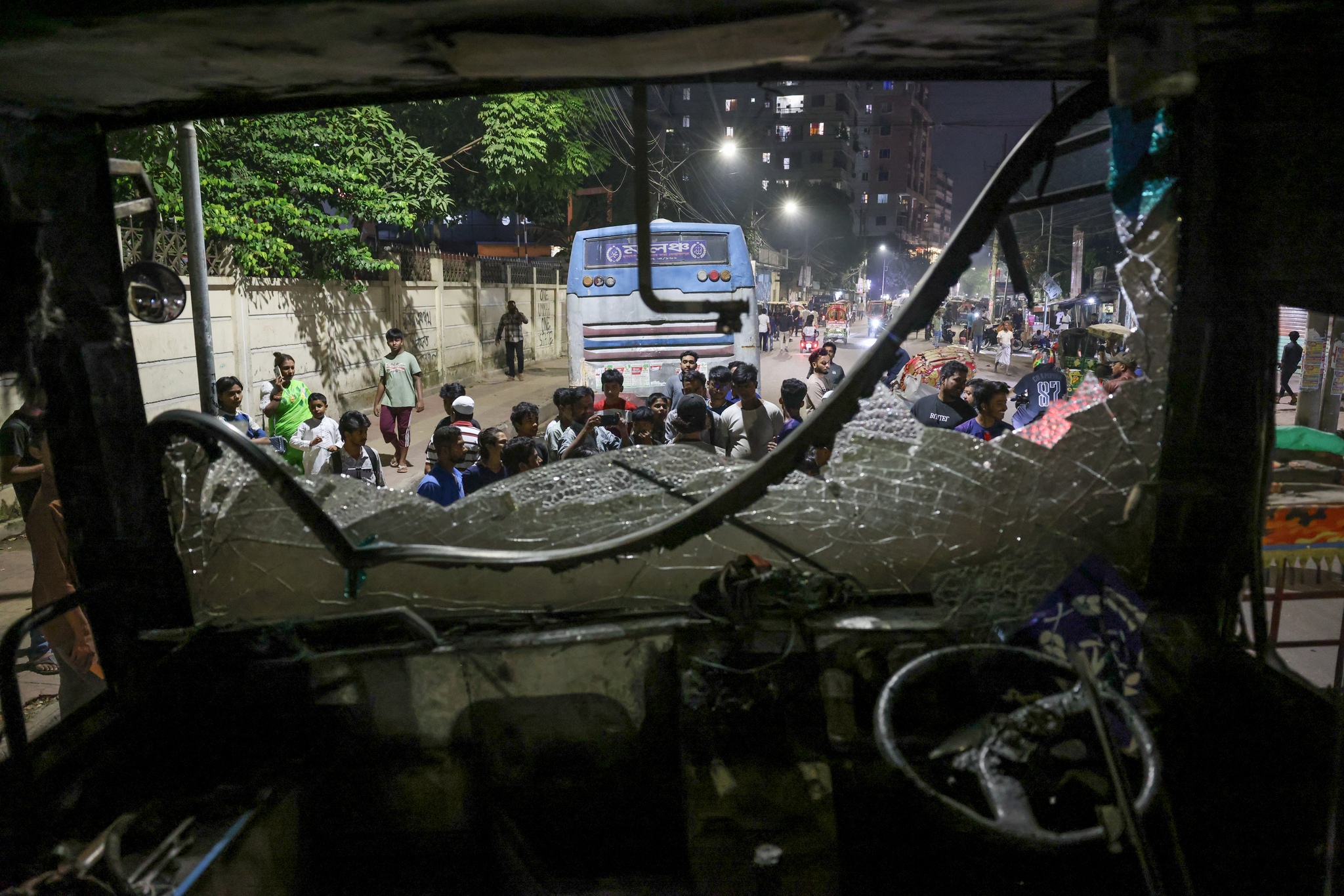
Police intelligence has linked recent crude-bomb explosions and bus arsons to the looming shutdown call, citing nine burned vehicles and 17 filed cases since October. The authorities say they are acting on vigilant surveillance of social media, monitoring WhatsApp and Messenger conversations and cracking down on flash processions.
However, in this hyper-alert environment, the distinction between legitimate state-security measures and the infringement of everyday liberties is becoming blurred.
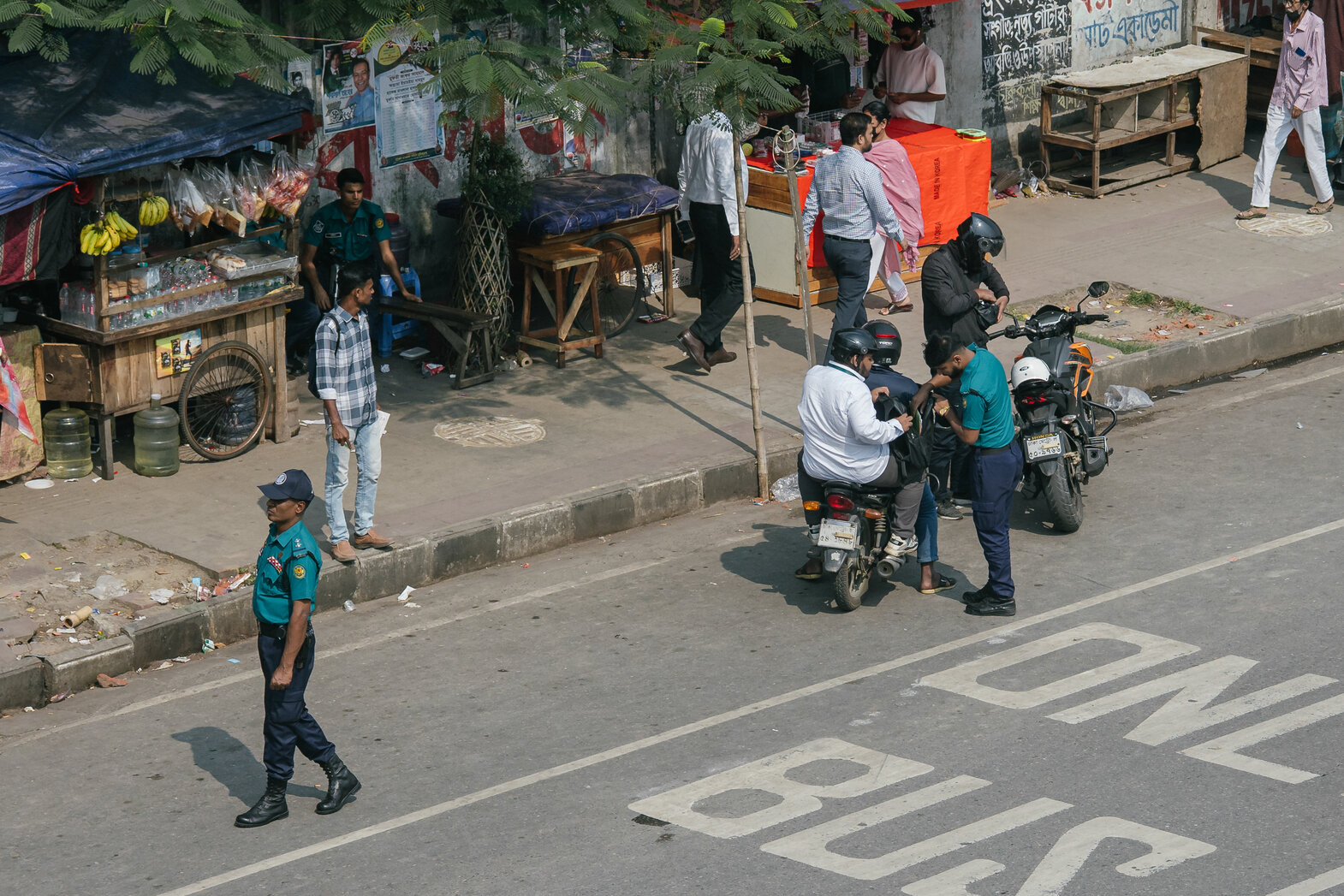
Yet if the objective is preventing “arsonist activity”, then the heavy deployment may risk overshadowing its own goal. When security becomes so pervasive that it disables the movement of ordinary people, it breeds resentment and fatigue and may generate the very underground mobilities it seeks to suppress.
A checkpoint that slows down taxis, a roadblock that delays ambulances, over time erode public trust. That trust is vital if citizens are to cooperate with intelligence-led prevention. The home adviser’s remark that “no terrorist will be spared” underlines the zero-tolerance tone of the week ahead.
In the hours leading to November 13, Dhaka stands at this uneasy intersection: between legitimate pre-emptive security and unintended suppression of everyday life. If the security apparatus succeeds in preventing violence and then stands down gracefully, it will pass a hard test. But if the blanket restrictions linger for days, the wider cost in civic trust may well outlast any single lockdown day.