Defence lawyers have told the International Crimes Tribunal-2 that there is no evidence linking seven top political leaders, including Awami League General Secretary Obaidul Quader, to the killings during July uprising.
During the presentation of arguments, the state-appointed counsel maintained that no proof was found of the accused being physically present at any of the crime scenes, which ranged from Mirpur in Dhaka to Rajshahi, Chandpur, Lakshmipur, Chattogram, and Feni.
These arguments followed the prosecution’s conclusion on Wednesday, where the state sought the maximum penalty for all seven accused.
Command responsibility, organisational control
Advocate M Hasan Imam, representing Obaidul Quader, Awami League Joint General Secretary AFM Bahauddin Nasim, and former state minister for Information Mohammad Ali Arafat, argued that the prosecution’s case rests on the principle of “command responsibility” regarding orders to kill.

He contended that this principle typically determines the liability of military commanders for crimes committed by subordinates in a battlefield context, whereas the accused were politicians rather than commanders.
The lawyer further claimed that all orders emanated from a single individual and were merely implemented by others, asserting that the three leaders cannot be held liable solely on the basis of command responsibility without evidence of direct participation in shootings or clashes.


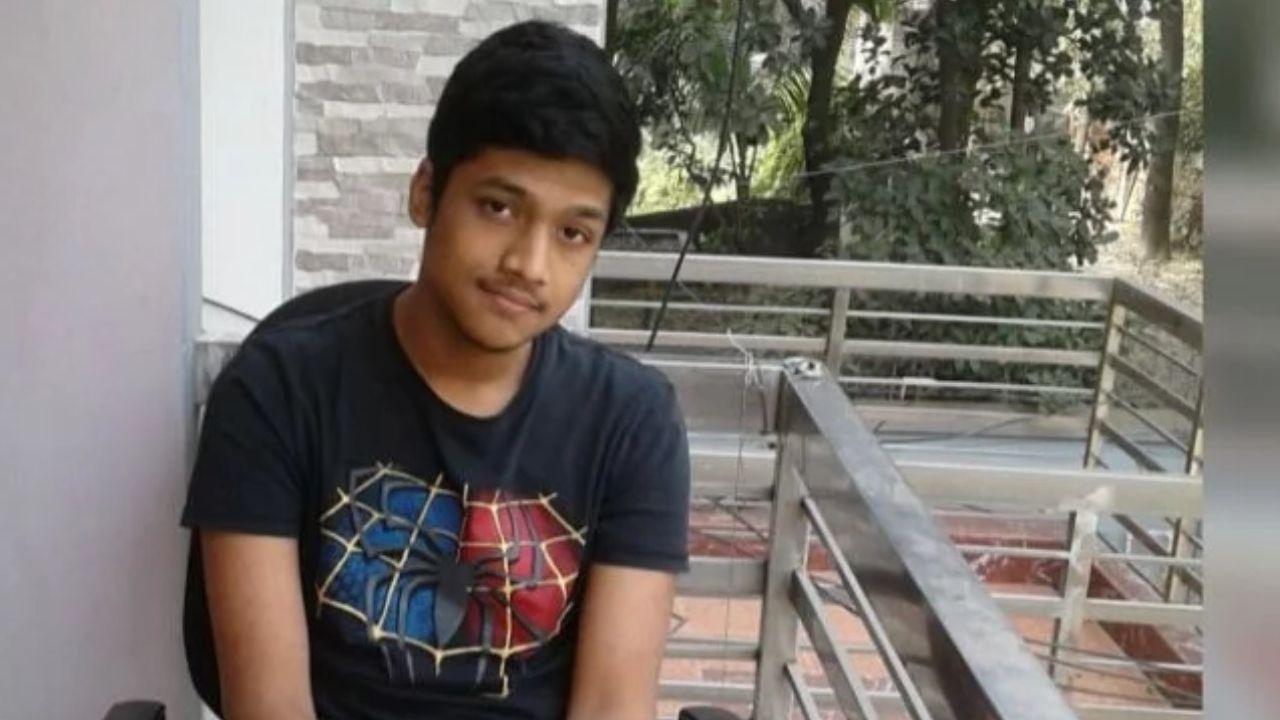

Representing Jubo League President Sheikh Fazle Shams Parash, General Secretary Mainul Hossain Khan Nikhil, Chhatra League President Saddam Hussain, and General Secretary Sheikh Wali Asif Inan, lawyer Ishrat Jahan argued that holding a top organisational position does not establish direct control over every field-level activist.
She noted that many individuals who had signed Chhatra League membership forms actually supported the student-people movement in July.
Regarding the prosecution’s evidence, including audio and video clips, she maintained that these do not prove the four leaders issued orders to kill or injure.
She specifically clarified a controversial statement about “finishing those who claim to be Razakars,” asserting that “finishing” referred to bringing the movement under control rather than killing protesters.
Evidence and legal proceedings
The defence further denied allegations that Mainul Hossain Khan Nikhil was armed, stating that no video evidence or witness testimony supported the claim.
Regarding the marches conducted by Saddam Hussain and Sheikh Wali Asif Inan at Dhaka University, the lawyer argued these were legally permitted programmes held with administrative approval.
The tribunal had previously taken the formal charges into account on 18 December last year and issued arrest warrants. As law enforcement agencies failed to apprehend the seven leaders, the state appointed defence counsel at public expense to allow the trial to proceed in their absence.
It framed charges against the accused on 22 January, and arguments began on 4 August. The tribunal has fixed 16 August for the presentation of the remaining arguments.