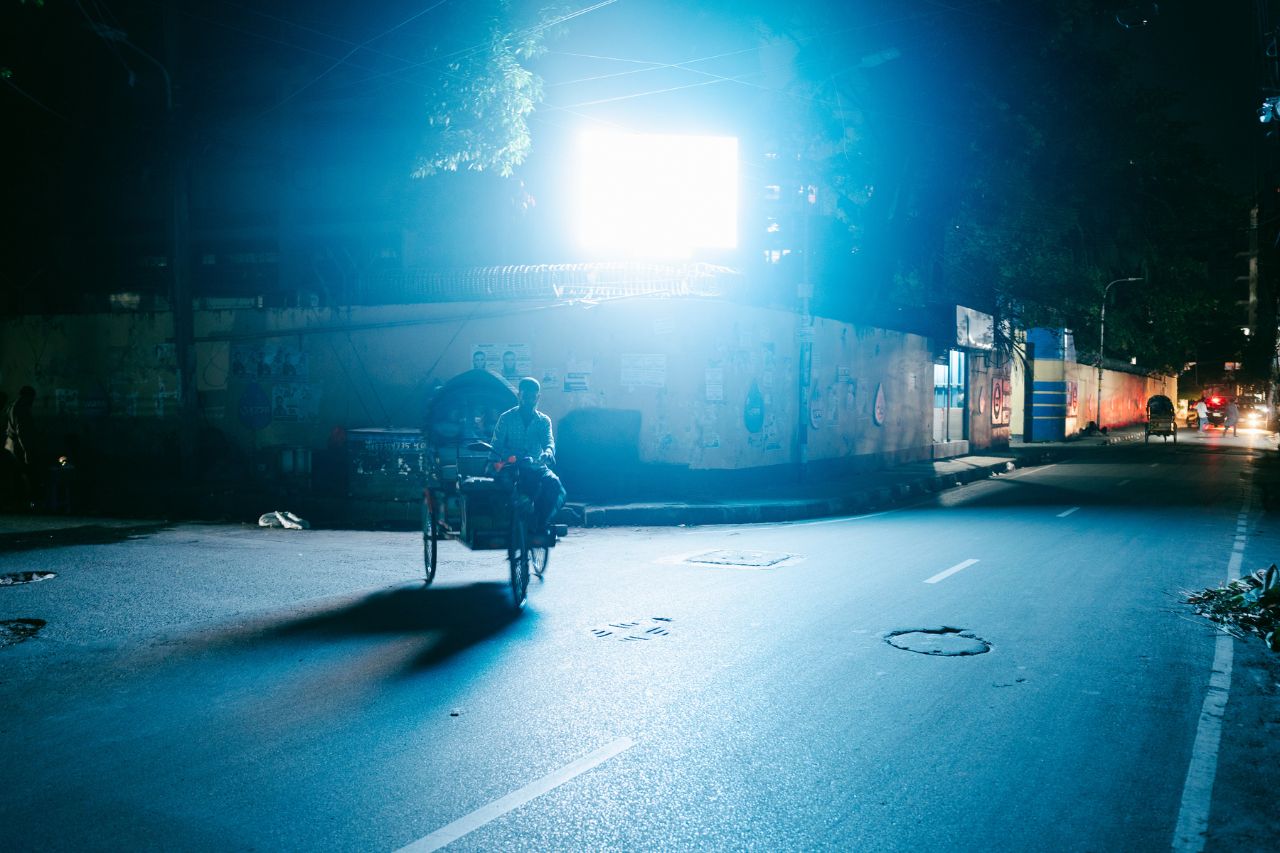
As evening settles over Dhaka, the city transforms. Neon signs flicker to life, giant LED billboards illuminate busy intersections, and commercial buildings glow with decorative lighting long after sunset.
In areas such as Gulshan, Banani, Farmgate and Karwan Bazar, darkness has become increasingly rare. The city’s nights are now defined not by the stars above but by the intense artificial lights below.
While these lights symbolise urban growth and economic activity, they are also creating a less visible environmental challenge: light pollution.
Light pollution occurs when excessive or poorly directed artificial light brightens the night sky and disrupts natural darkness.


In Dhaka, the rapid spread of digital advertising screens, brightly lit shopping centres and high-powered outdoor lighting has significantly increased nighttime illumination over the past decade.
The effects extend beyond aesthetics. Scientists warn that artificial lighting interferes with ecosystems that depend on natural day-night cycles.
Many insects are irresistibly drawn to bright lights, often circling them until exhaustion or death. This decline affects pollination and disrupts food chains that support birds, bats and other wildlife.




Birds are particularly vulnerable. Migratory species use natural light cues for navigation, and excessive urban lighting can disorient them, causing them to deviate from their migratory routes.
Even common urban birds may experience altered feeding and breeding behaviours due to constant exposure to artificial light.
Human health is also a growing concern. Research has linked prolonged exposure to bright nighttime lighting with sleep disturbances and disruptions to the body’s circadian rhythm.
In a city already struggling with noise, congestion and air pollution, excessive light adds another layer of environmental stress.
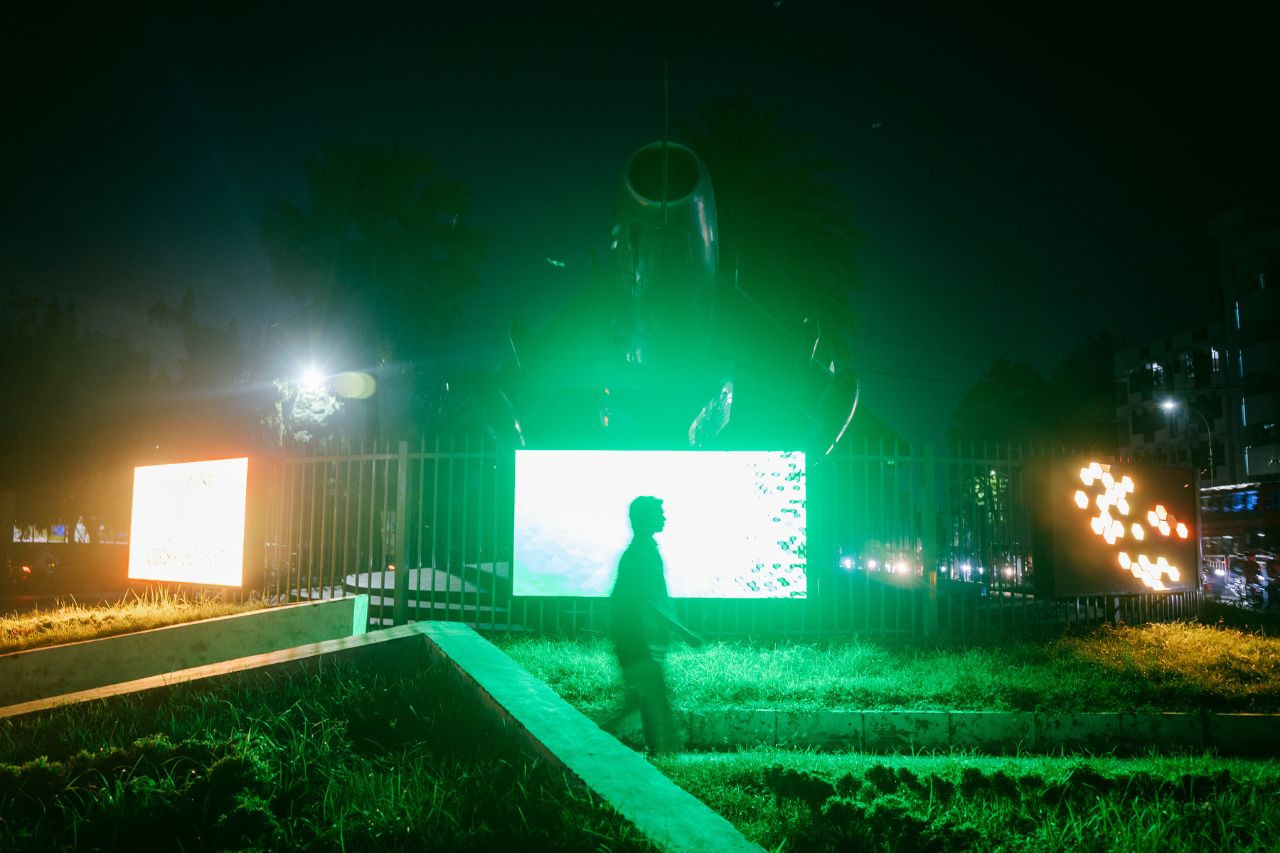
Perhaps the most visible loss is one that many city dwellers scarcely notice anymore. On clear nights, only a handful of stars can be seen above Dhaka.
The night sky, once a shared natural experience, is gradually disappearing behind a veil of artificial brightness.
As Dhaka continues to modernise, urban planners and policymakers face an important challenge: balancing development with environmental responsibility.
Smarter lighting systems, shielded fixtures and regulations on excessive illumination could help restore some of the darkness the city has lost, without turning off the lights of progress.