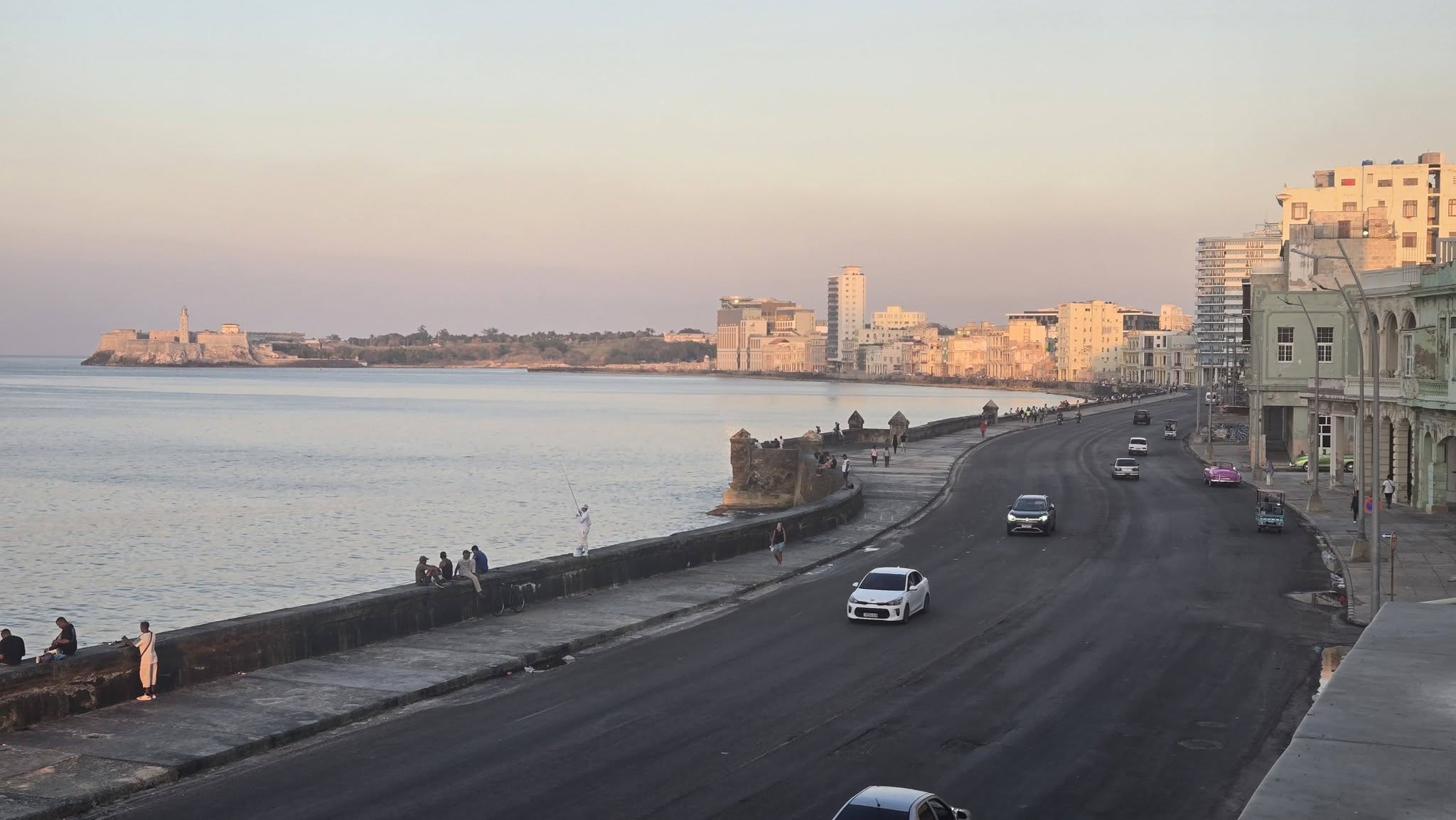
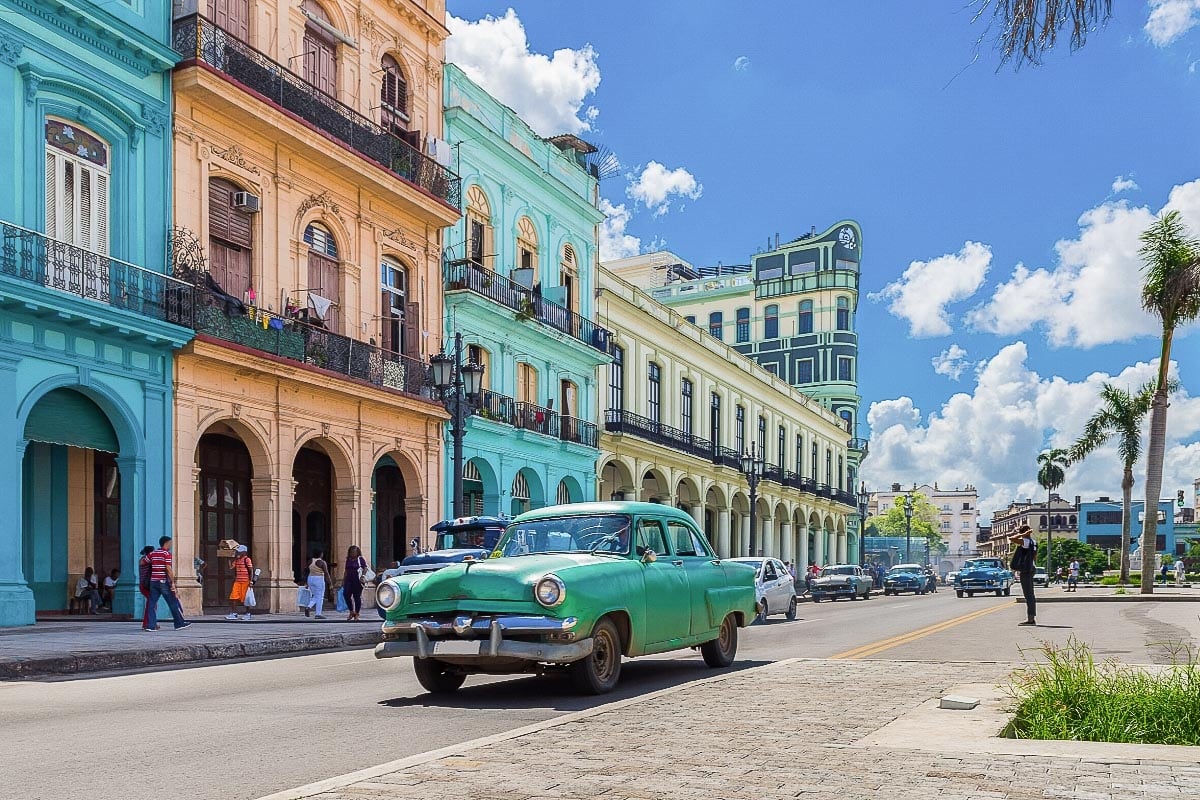
Cuba’s sun-soaked beaches, once the envy of travellers seeking turquoise waters and vintage cars under a tropical sky, now lie eerily quiet.
The island’s tourism industry, which generated 10 per cent of export revenue in 2024, is teetering on the brink of collapse as a severe jet-fuel shortage forces airlines to suspend flights and hotels to shut doors.
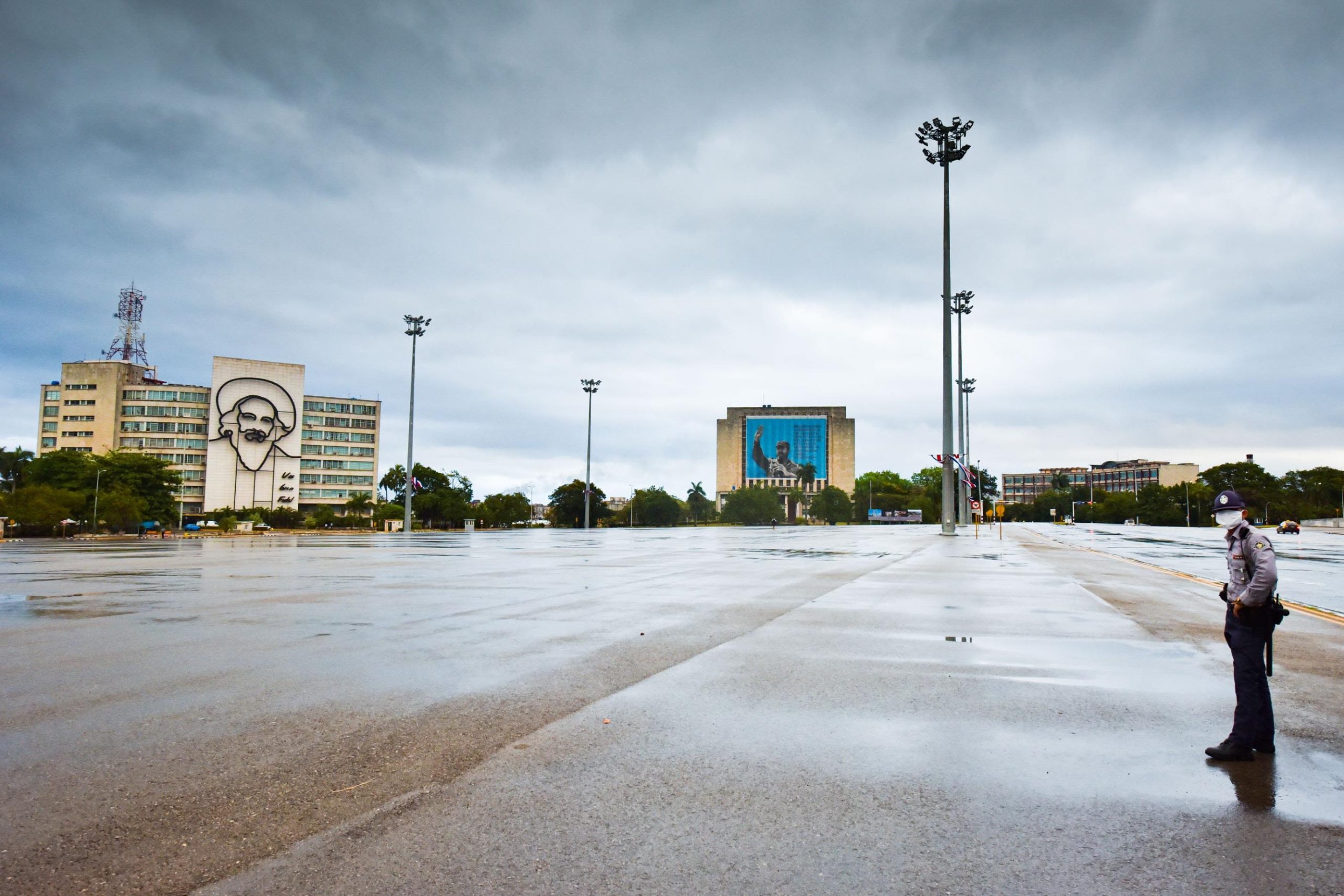
The crisis stems from an abrupt halt in oil imports, many of which historically came from friendly governments. That supply vanished after Venezuela’s ouster of Nicolás Maduro and a subsequent US clampdown on crude shipments to Cuba.
In late January, US President Donald Trump signed an executive order declaring a national emergency and threatening tariffs on countries that continue to supply oil to the island.

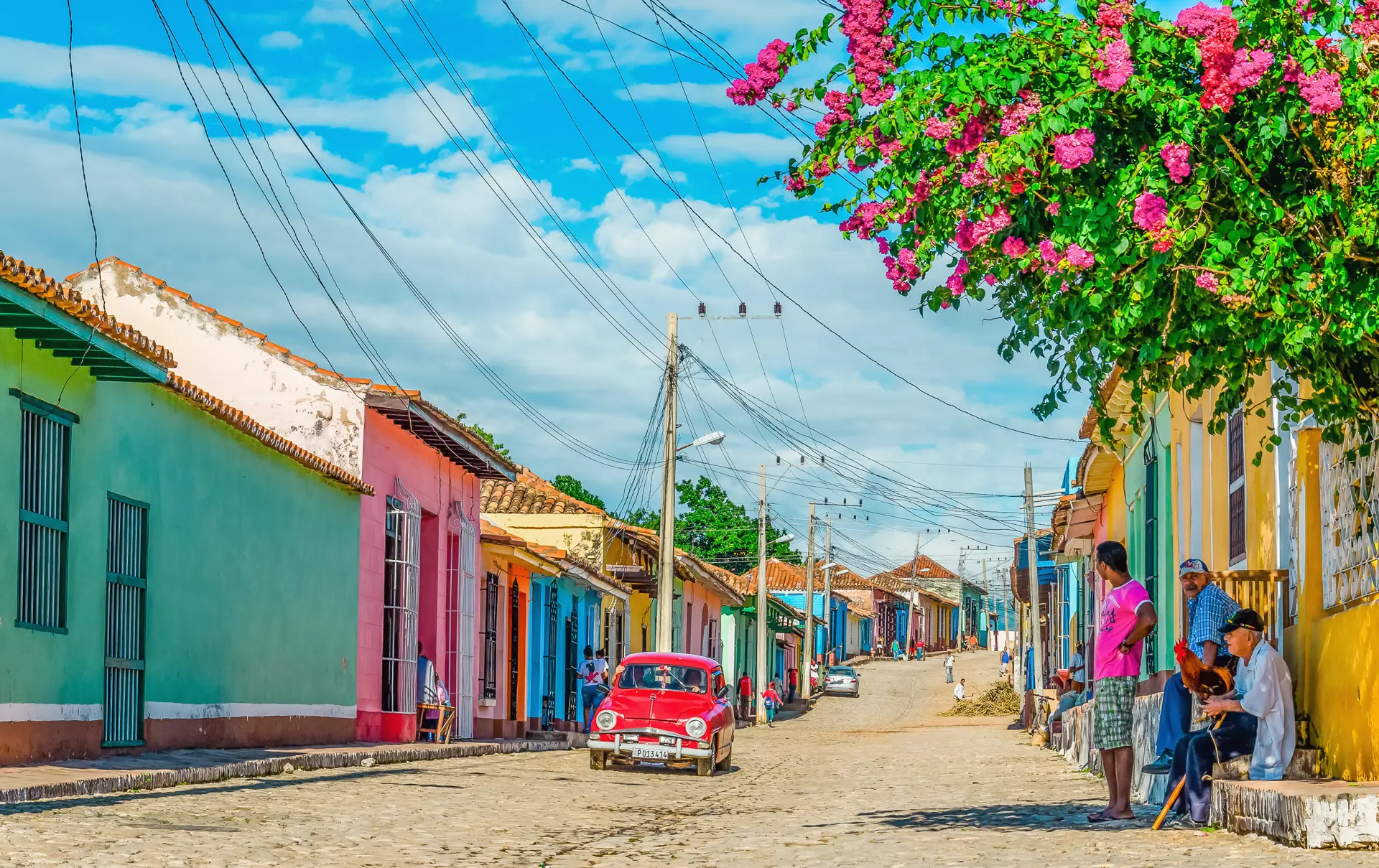
What followed has been swift and punishing. Cuba announced on February 8 that it was running out of jet fuel, prompting major Canadian carriers, including Air Canada, WestJet and Transat, to suspend services.
Together, these cancellations could total more than 1,700 flights through April, effectively severing the arteries connecting Cuba to its top tourism markets.



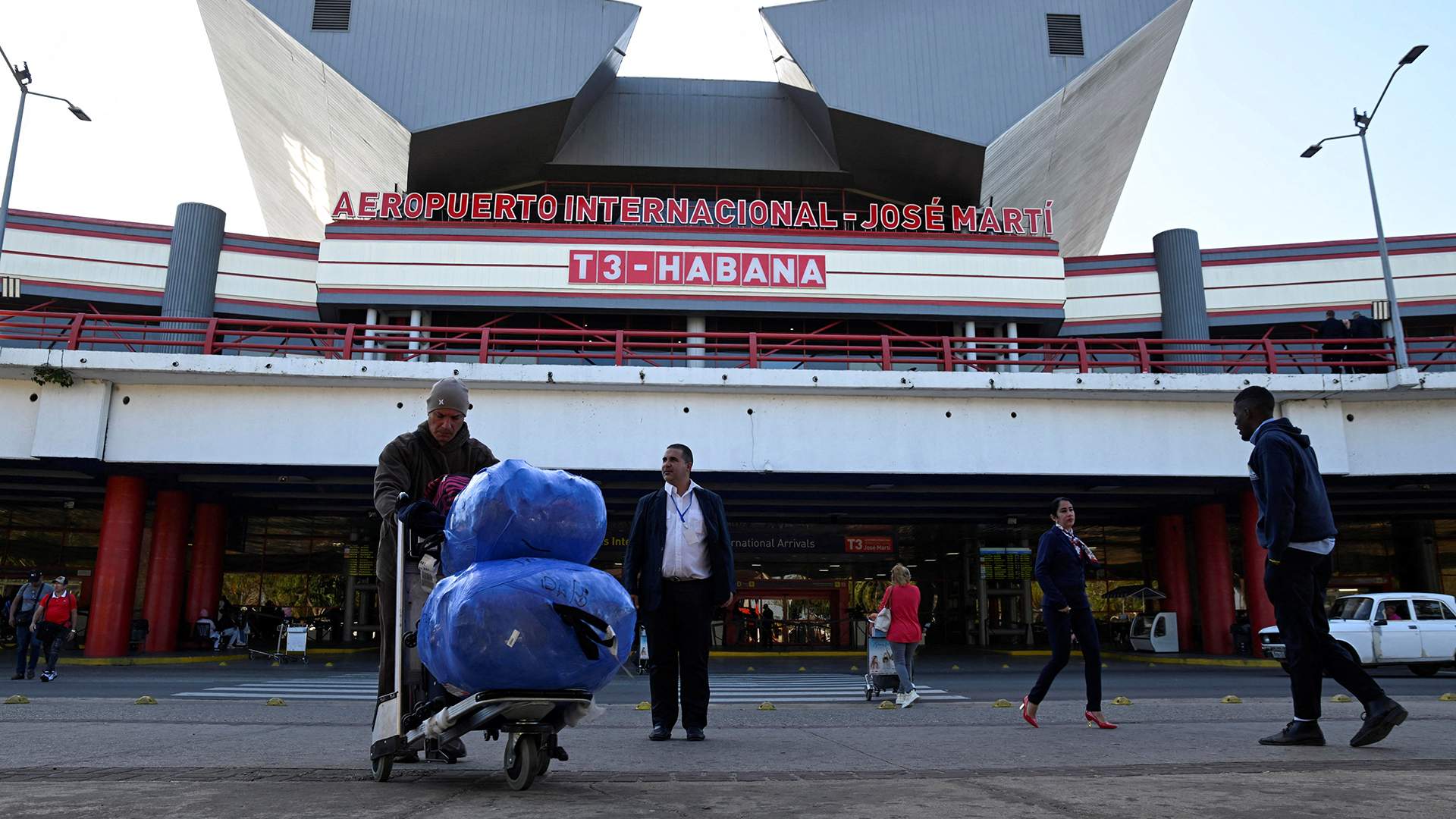
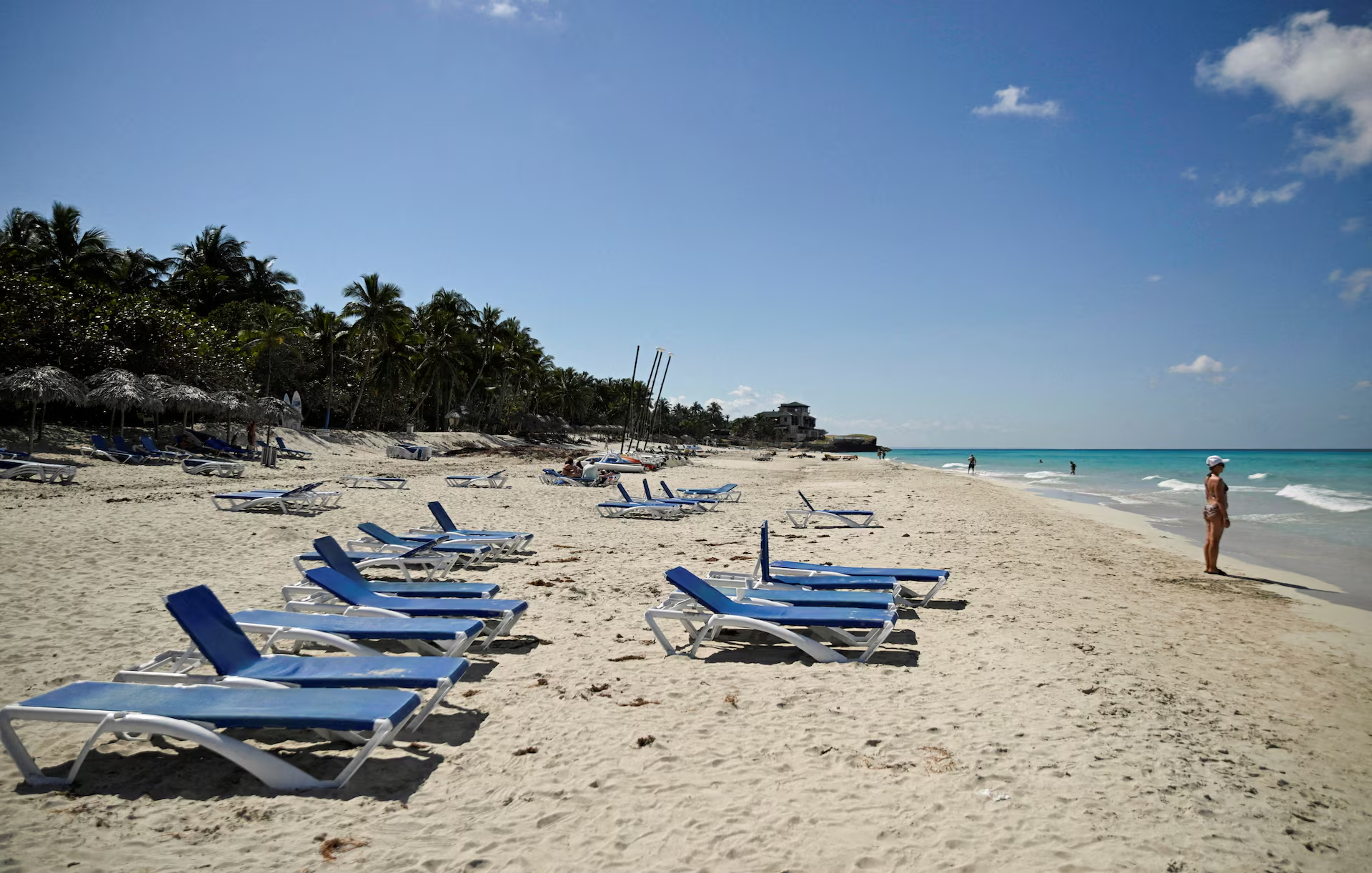
In resort towns such as Varadero, the transformation has been stark: once-crowded beaches sit empty, and foreign visitors lucky enough to already be on the island fret over flights home.
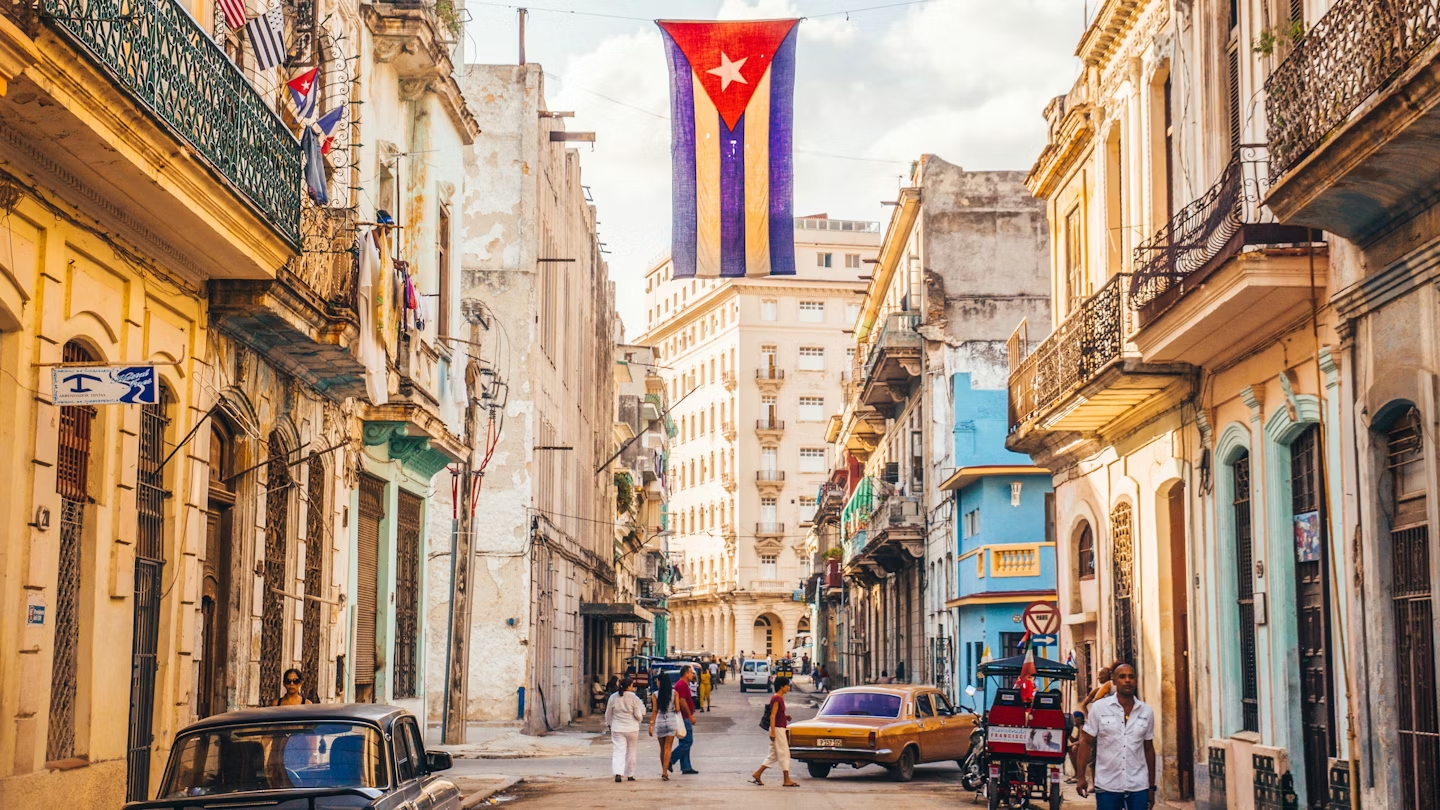
Hotel groups like Spain’s NH and Meliá have closed or consolidated operations as fuel shortages force the government to ration scarce energy for essential services.
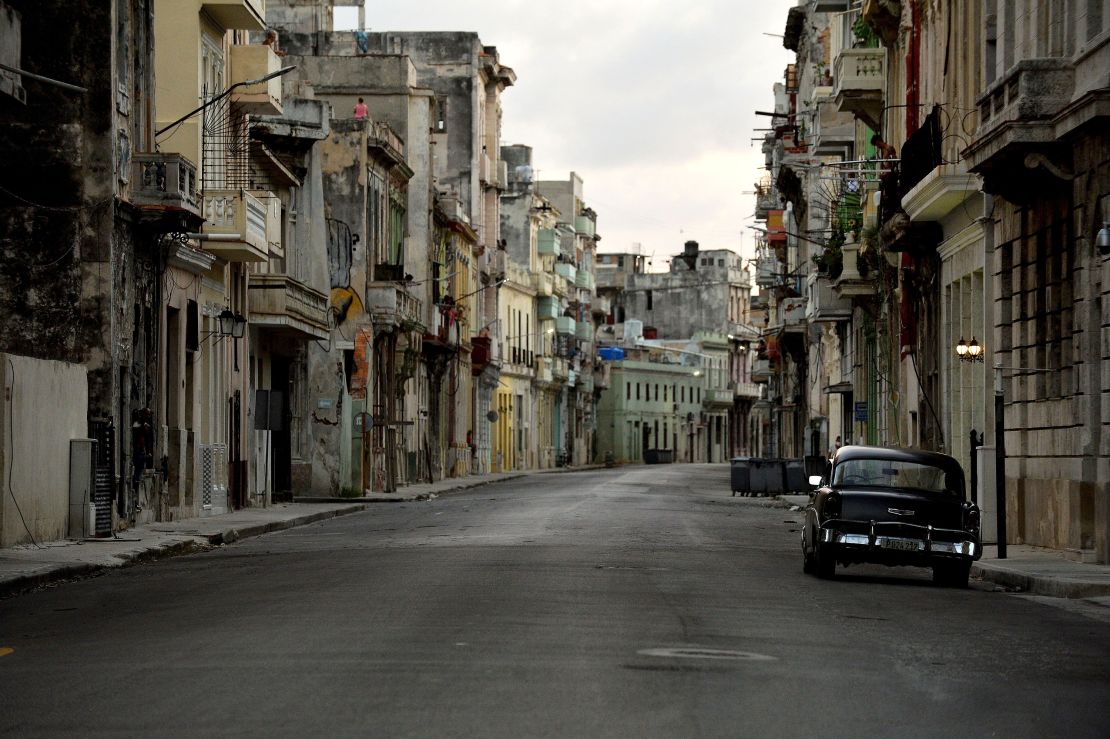
Cuban authorities, themselves scrambling to contain fallout, are bracing for broader economic pain. Tourism and aviation are not the only sectors reeling. Fuel shortages have triggered rolling blackouts, disrupted public transport, and imperilled food and medical supplies.
Once-proud cultural traditions are also affected. The annual Habanos cigar festival, an important event for enthusiasts and exporters alike, was postponed amid the turmoil.
Externally, Havana has turned to longtime partners for help. Russian President Vladimir Putin and Cuba’s foreign minister met in Moscow, where Kremlin officials condemned the US restrictions and offered political support and hinted at humanitarian fuel aid.
Ordinary Cubans are bracing for hardship. Local transportation grinds toward electric alternatives; rolling power cuts strain hospitals; and the broader fabrics of daily life are fraying. With fuel reserves dwindling and diplomatic tensions high, the future of Cuba’s tourism sector, once the pride of the Caribbean, hangs in the balance.