



The Chittagong Zoo, located near Foy’s Lake in the country’s commercial capital, has been going through an acute crisis: 37 years after its establishment, it now swings between development and stagnation.
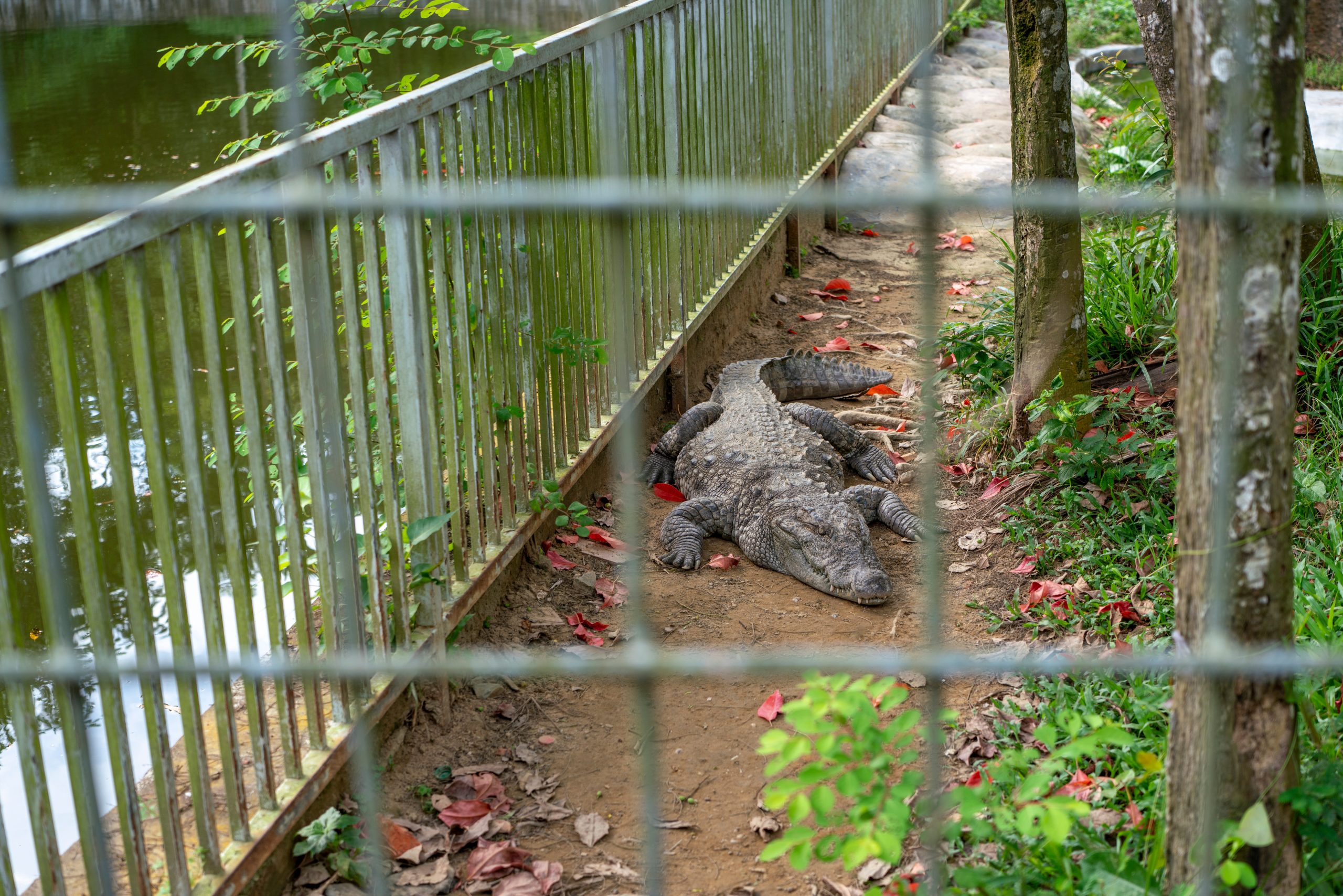
On one hand, there is an ambitious plan to transform it into an international-standard safari park; on the other, 520 animals are crammed into just 10.2 acres, raising serious questions about wildlife management and animal cruelty.
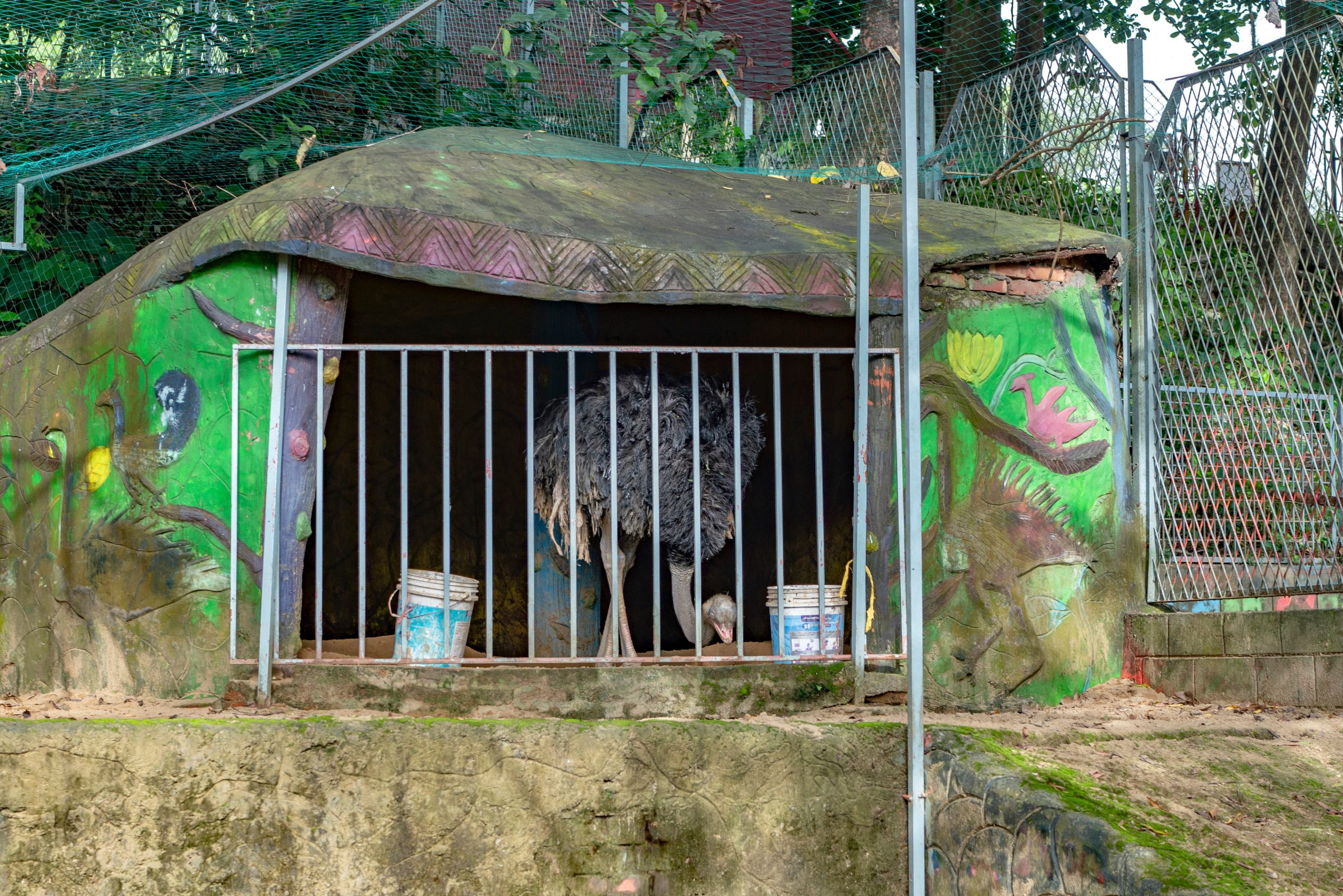
The zoo currently houses 520 animals of 66 species, including 30 species of mammals, 38 species of birds, and 6 species of reptiles. But, by international standards, the area allocated for this large number of animals is negligible.
The circumstances are especially dire, in particular, for the 17 tigers and the 20 to 30 deer who call the zoo home and have far less space than they need. In fact, it barely even a fraction of what they require for basic movement.
According to Bangladeshi law, a deer requires at least 4 “gandas” (approximately 0.1 acre) of land, and two deer require 8 gandas. In reality, however, many deer are kept in extremely confined enclosures.

MP for Ctg-7 Humam Qader Chowdhury has stated that confining an animal in a cage for years merely for human entertainment is deeply unjust.
If international standards cannot be maintained, he added, it would be better to release these animals back into their natural habitats.
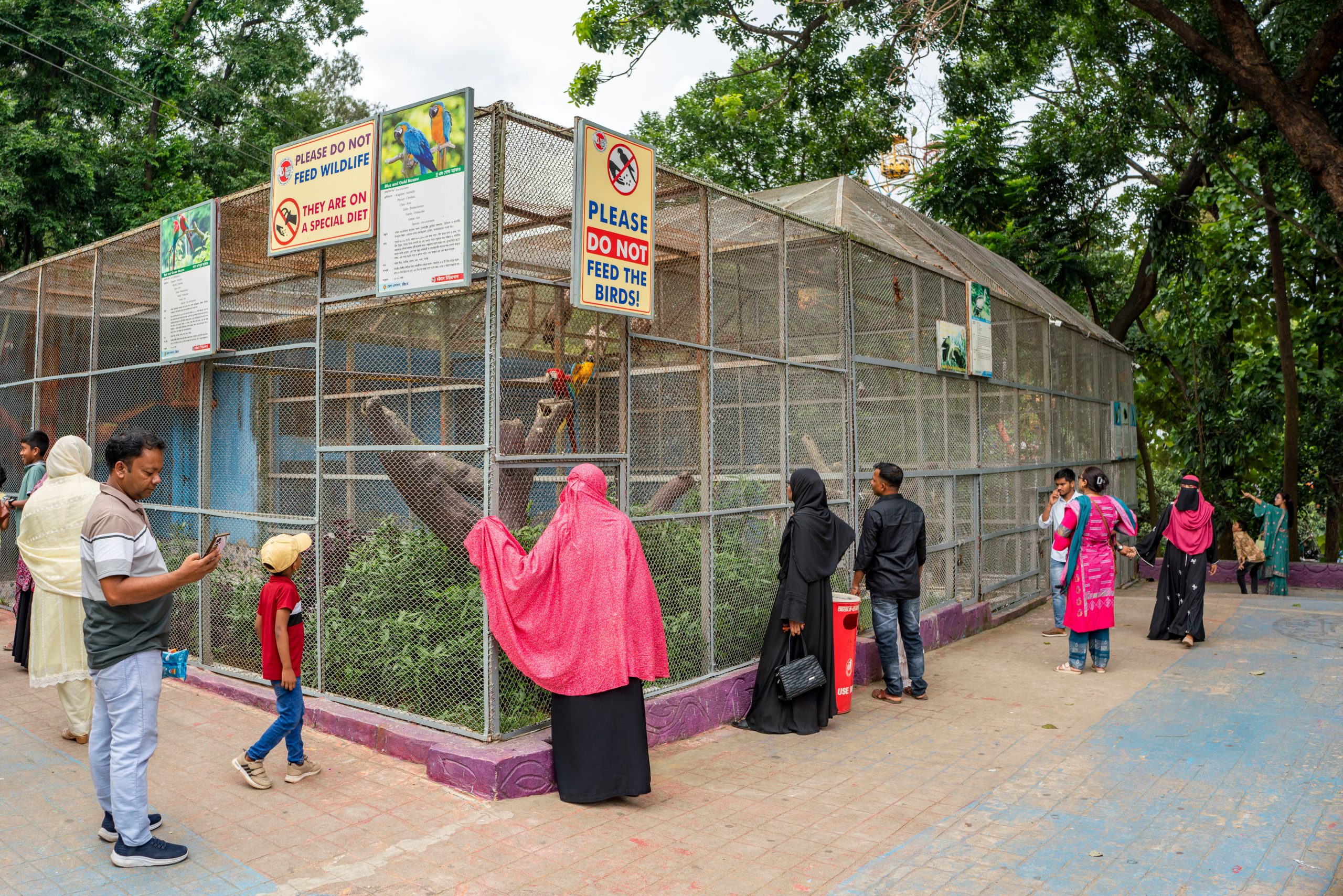
While the national zoo in Dhaka receives a government grant of Tk60–70 crore annually, the Chittagong Zoo runs entirely on its own revenue. It depends wholly on visitor ticket sales. Starting at Tk1 when it opened in 1989, the ticket price has gone up several times to reach Tk 70.
According to zoo authorities, the average monthly income is Tk 60 lakh, against maintenance and food costs of about Tk 25 lakh. Salaries for 29 officials and employees amount to approximately Tk 7 lakh.




Though the institution is currently profitable, these savings are not enough to build modern or large-scale infrastructure.
Curator Shahadat Hossain told TIMES of Bangladesh that building a single international-standard tiger enclosure costs around Tk2 to Tk2.5 crore. Without substantial government funding, any major overhaul or multi-level project would be impossible.
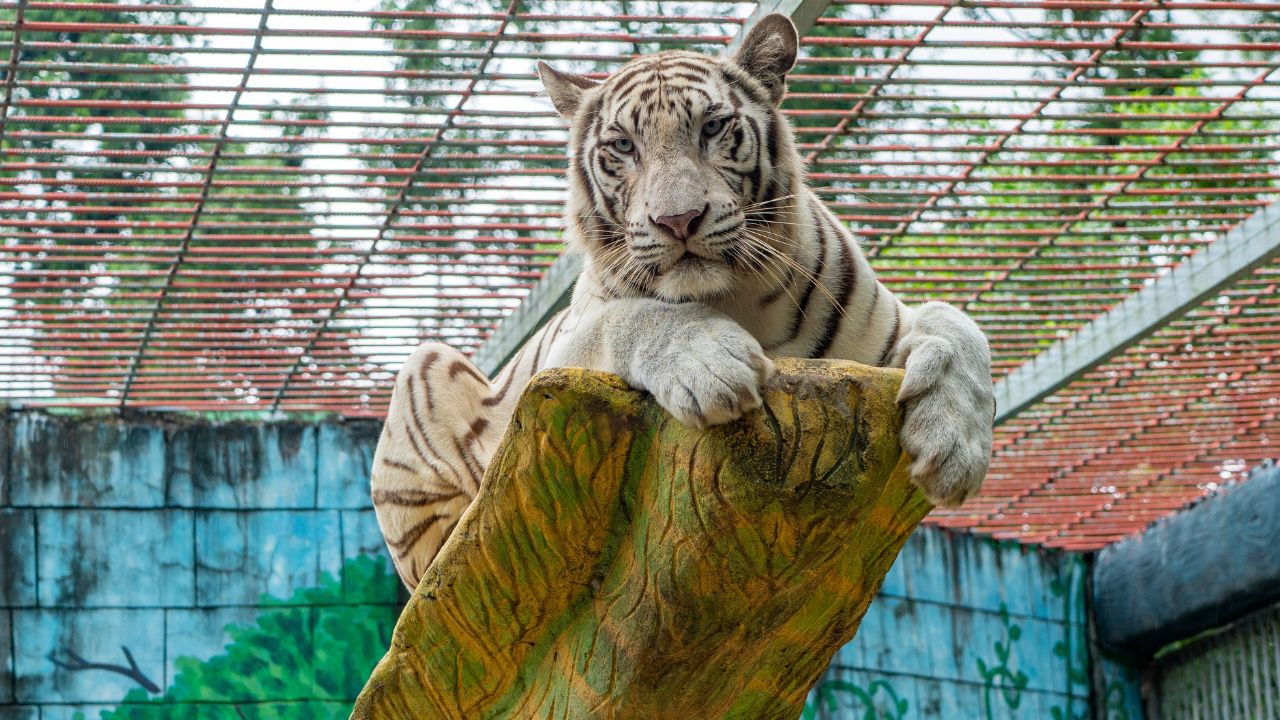
One of the zoo’s biggest attractions is its rare white tigers (albinos). However, experts and the curator note that the prevalence of white tigers may result from inbreeding.
When importing tigers from abroad, sellers often fail to provide proper genetic records, which often leads to breeding among animals who are closely related, causing long-term health risks.
Only two specialist doctors are available to look after the 520 animals around the clock, and there is a severe staff shortage. With just 29 staff members, authorities describe running such a large animal collection as work that demands “superhuman” effort.
Curator Shahadat Hossain said the crisis cannot be solved simply by adding doctors or staff. The biggest problem is space. If animals cannot be provided with proper natural environments, medical treatment alone cannot keep them healthy and vibrant.
On Monday, State Minister for Fisheries and Livestock Sultan Salauddin Tuku visited the zoo and promised to transform it into an international-standard safari park. Under government plans, the adjacent fallow land and the hills around Foy’s Lake will be brought under the project.
Currently, an additional 8 acres of land is being added to the zoo, which would bring the total area to 18 acres.
The new masterplan emphasises open enclosures over cage-based displays, allowing tigers, lions, zebras, kangaroos, and wildebeests to roam in a natural hill-and-forest environment.
Associate Professor of Zoology at the University of Chittagong Dr Jadab Kumar Biswas told TIMES of Bangladesh that a safari park is defined as a large-scale zoo without cages, similar to the safari parks in Dulahazara and Gazipur.
The concept of a zoo and a safari park are similar, he said, but in a safari park, animal enclosures are much larger, with visitors able to witness the animals as they drive by or through their natural habitat.
If the government transforms the Chittagong Zoo into a safari park by expanding its area, he said, it would be a commendable initiative.
The zoo, which was established 37 years ago on the initiative of then-Deputy Commissioner M.A. Mannan, now stands at a critical juncture where modernisation is urgently needed. To preserve this heritage of Chittagong and ensure the release of caged animals, swift and substantial government investment is now a necessity.