


The Centre for Policy Dialogue (CPD) on Thursday urged the interim government to immediately halt work on the Energy and Power Sector Master Plan (EPSMP), saying the draft reflects bureaucratic dominance and vested interests rather than Bangladesh’s long-term economic and energy realities.
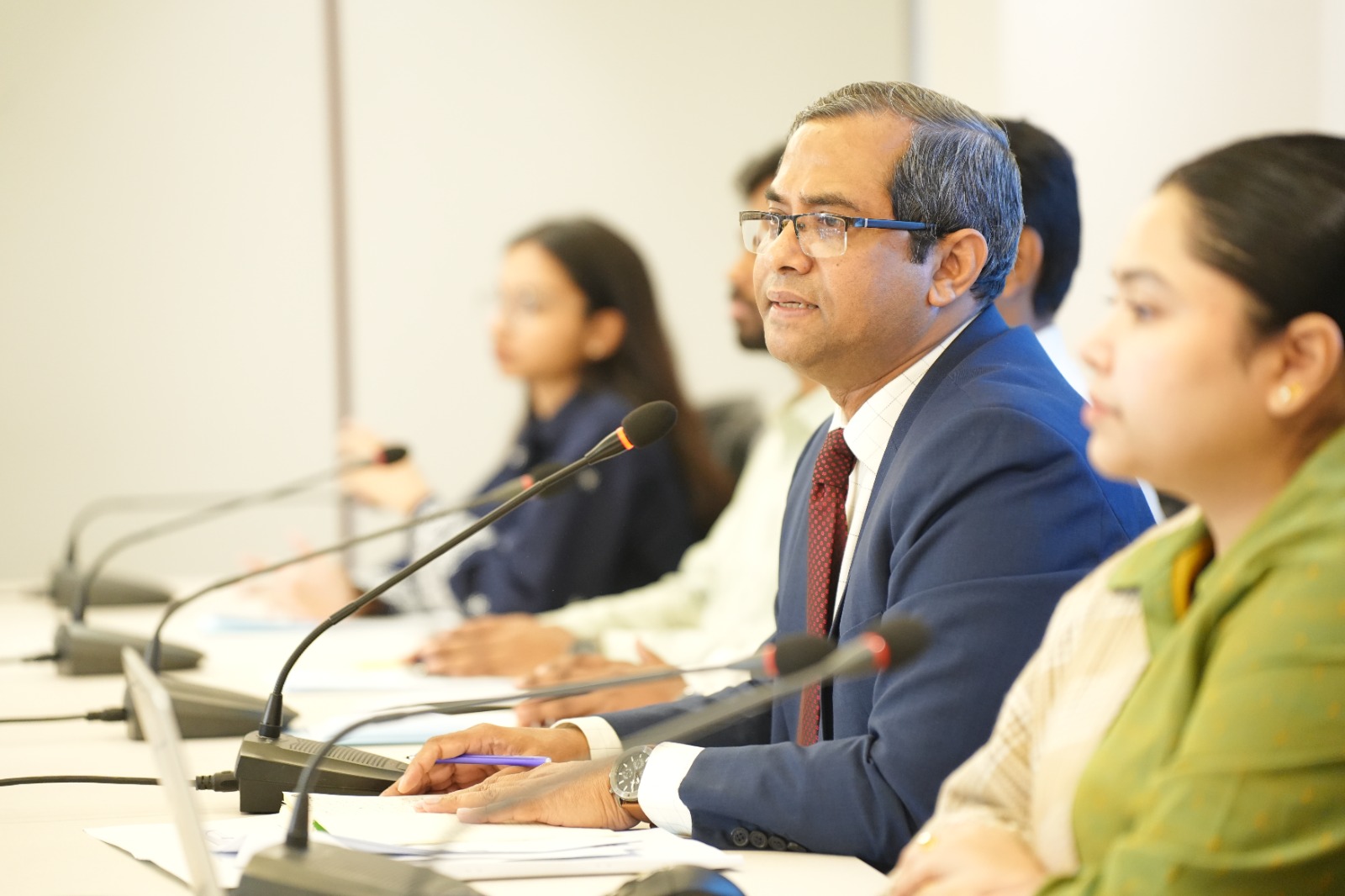
Speaking at a media briefing in the capital, CPD Research Director Khondaker Golam Moazzem said the draft EPSMP is “fundamentally flawed” in both substance and process and could lock the country into costly, carbon-intensive infrastructure for decades.
He said the plan sidelines renewable energy while promoting domestic coal in the name of so-called resource optimisation, calling this a clear policy regression.
Questioning projections of nearly 60,000 megawatts of installed capacity, Moazzem asked who would realistically consume such power.
Citing CPD analysis, he said about half of the proposed capacity would be sufficient to meet demand by 2040, as future growth is expected to be service-led, labour-intensive and relatively low in energy intensity.

Overstating demand, he warned, would only entrench excess capacity and worsen the power sector’s financial stress.
CPD said the EPSMP process should be suspended until after national elections so an elected government can initiate a fresh, inclusive planning exercise.
Moazzem said the draft shows signs of pressure from foreign partners and entrenched domestic energy lobbies, particularly around expansion of liquefied natural gas (LNG) infrastructure, adding that upcoming economic and trade engagements with Japan and the United States appear to have shaped key assumptions.



Delivering the keynote presentation, CPD Senior Research Associate Helen Mashiyat Preoty said the draft underplays critical grid constraints, delaying smart grid implementation until 2040 despite the current system’s inability to absorb more than 20% variable renewable energy.
She said the plan signals a renewed tilt towards fossil fuels, proposing to raise coal-based power capacity from 6.8GW to 12.9GW while prioritising new LNG terminals and additional floating storage and regasification units.
“These are high-cost investments that weaken long-term energy security,” Preoty said, calling for an immediate shift away from coal and LNG.
CPD recommended scrapping all proposals for new coal-fired plants, adopting a time-bound phase-out of existing coal capacity, halting new LNG terminal projects, and redirecting investment towards domestic gas exploration.
The organisation also urged a narrower, evidence-based definition of renewable energy that prioritises proven sources such as solar and wind.
It called for focused development in high-potential regions, including Chattogram, and for integrating regional renewable energy trade, particularly cross-border imports from Nepal and Bhutan—areas largely ignored in the draft EPSMP.
Highlighting the stabilising and cost-reducing potential of regional power trade, CPD said cross-border renewables should be more strategically embedded in the master plan.
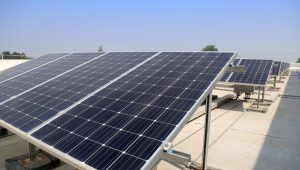
Preoty said zone-wise demand and supply planning must align with upcoming renewable projects and the National Solar Rooftop Programme.
With more than 5,000MW of utility-scale renewables and over 3,000MW from rooftop solar already in the pipeline, she said location-specific planning based on zonal mapping is essential.
She also cautioned that introducing carbon credits without rigorous scrutiny could backfire by effectively legitimising emissions, calling for a detailed review before any framework is adopted.
Preoty said a robust monitoring and evaluation mechanism is needed to track EPSMP implementation and recommended institutional reform of the Power Grid Company of Bangladesh to ensure independent and efficient system planning.
She further urged reallocating a substantial share of investment towards renewable energy expansion and onshore and offshore domestic gas exploration instead of LNG, unbundling the roles of the Bangladesh Power Development Board, and strengthening the autonomy and enforcement capacity of the Bangladesh Energy Regulatory Commission and the Sustainable and Renewable Energy Development Authority.