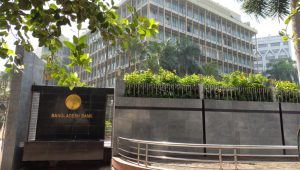
Bangladesh Bank is moving to block large-scale borrowers, wilful defaulters and money launderers from accessing a planned Tk20,000 crore refinancing scheme aimed at reviving shuttered factories, as the central bank seeks to prevent a fresh cycle of fund diversion in the banking sector.
Bangladesh Bank officials involved in drafting the policy said factories requiring massive financial injections to restart operations may initially be excluded from the scheme.
Instead, priority is likely to go to factories that can resume production with relatively smaller working capital support ranging between Tk100 crore and Tk300 crore.
The central bank is also considering strict screening conditions to stop habitual defaulters from benefiting from the facility.
Businesses that previously received restructuring or rescheduling support but later defaulted again are unlikely to qualify.
However, companies that became non-performing due to uncontrollable external shocks may still receive support, provided they regularise their loans under agreed conditions.
The move reflects growing concern inside Bangladesh Bank over the risk that politically connected borrowers could again misuse state-backed financial support under the guise of industrial revival.
Officials said the refinancing window is being designed as part of the government’s broader employment generation agenda, with the reopening of idle factories viewed as a quicker route to creating jobs than building new industries from scratch.

Bangladesh Bank is now simultaneously working on two fronts, verifying lists of nearly 1,000 closed factories submitted by banks and finalising the policy framework for the fund.
A senior Bangladesh Bank official familiar with the process told TIMES that the central bank is assessing which factories are immediately viable and how much money would be needed to restart them.
“We are examining which factories can realistically be reopened quickly and the amount of financing required for each,” the official said.
“Once the preliminary assessment is completed, the governor will hold a meeting with Prime Minister Tarique Rahman. The final structure of the fund and its financing sources will be decided there.”
According to officials, Bangladesh Bank wants the fund to be backed by budgetary support from the government rather than relying solely on the banking system.
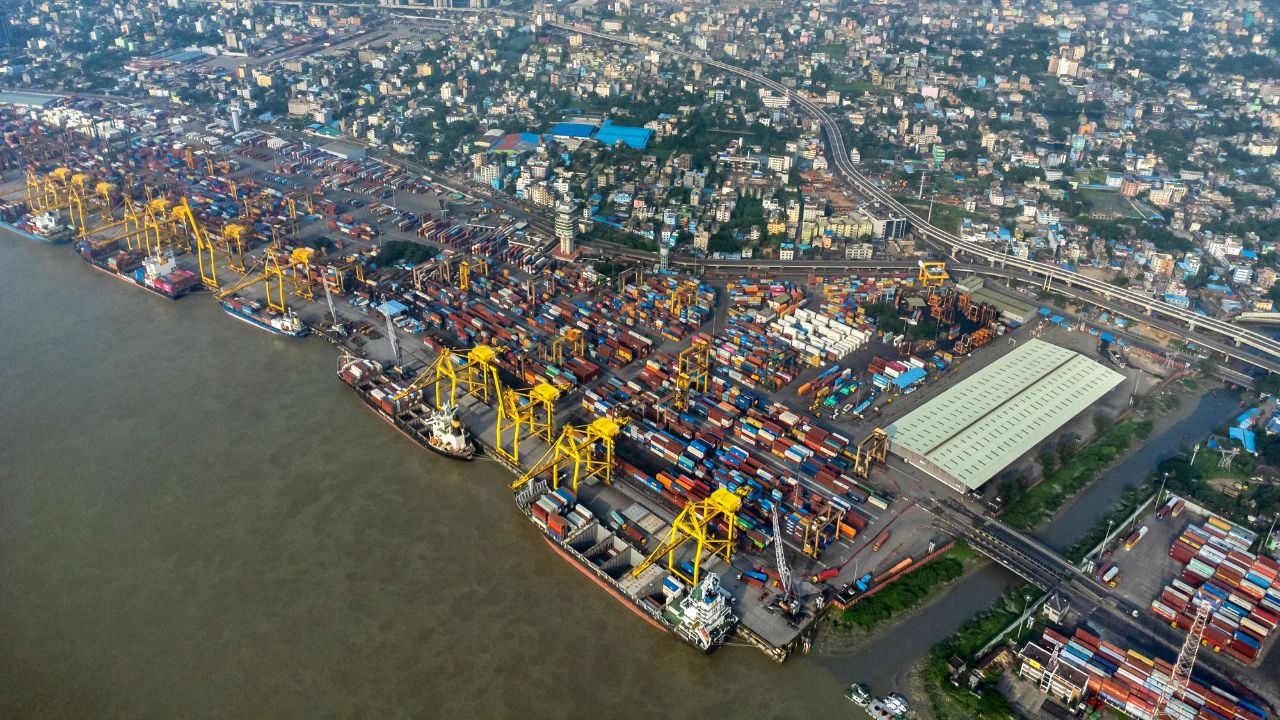



People involved in the process said the central bank plans to issue a detailed circular instructing scheduled banks to form dedicated committees to evaluate applications from closed factories.
The committees will prepare assessment reports on shortlisted factories, including operational viability, machinery condition, utility connectivity and repayment capacity.
The proposals would then require approval from the respective bank boards before being forwarded to Bangladesh Bank for final clearance.
Banks will only be allowed to disburse loans after obtaining explicit approval from the central bank along with submission of the full assessment reports.
Officials said multiple safeguards are being incorporated to prevent misuse of the refinancing facility.
For export-oriented factories, export proceeds will remain directly linked to the loan accounts so banks can automatically deduct instalments once export earnings arrive in the country.
For factories producing goods for the domestic market, authorities are considering placing representatives from lending banks as advisers on company boards to strengthen oversight over fund utilisation.
Under the proposed scheme, affected factories may also qualify for term loans depending on operational needs.
Borrowers are expected to receive loans at an effective interest rate of 8 per cent.
The lending rate may be fixed at 13 per cent, with the government considering an interest subsidy of up to 5 percentage points.
Bangladesh Bank will finalise the policy after receiving approval from the finance ministry regarding the subsidy mechanism.
Bangladesh Bank spokesperson Arief Hossain Khan told TIMES that reopening closed factories remains a high-priority agenda for the government.
“The government is committed to restarting closed industrial units as quickly as possible,” he said.
“Bangladesh Bank is treating the issue with high importance. At the same time, we are ensuring that the fund cannot be looted or misused the way some past financial support schemes were abused.”
On May 1, Prime Minister Tarique Rahman announced plans to gradually reopen closed factories across the country to generate employment.
He instructed relevant authorities to assess how quickly factories could be brought back into operation.
Following the announcement, Bangladesh Bank asked commercial banks to submit lists of closed industrial units to identify firms eligible for financing support.
Officials said banks have already submitted details of more than 1,000 fully and partially closed factories, each carrying outstanding loans exceeding Tk100 crore.
A committee led by Deputy Governor Md Kabir Ahmed has been working on the detailed policy framework for the fund.
Officials said discussions between the government and Bangladesh Bank are continuing over the scale and structure of support required to revive industrial production.
The initiative is linked to the BNP government’s election pledge to create one crore jobs within its first 18 months in office.