The capital of Bangladesh wakes each morning beneath a curtain of haze. By noon, sunlight filters through a pale brown sky, and the air tastes faintly of dust and smoke. The numbers tell the story as starkly as the skyline.
In 2024, Dhaka’s air contained an average of 78 micrograms of fine particulate matter (PM₂.₅) per cubic meter, roughly 15 times the World Health Organization’s safe limit. It now ranks among the three most polluted capitals on Earth, a grim badge of progress earned through relentless, unplanned growth.
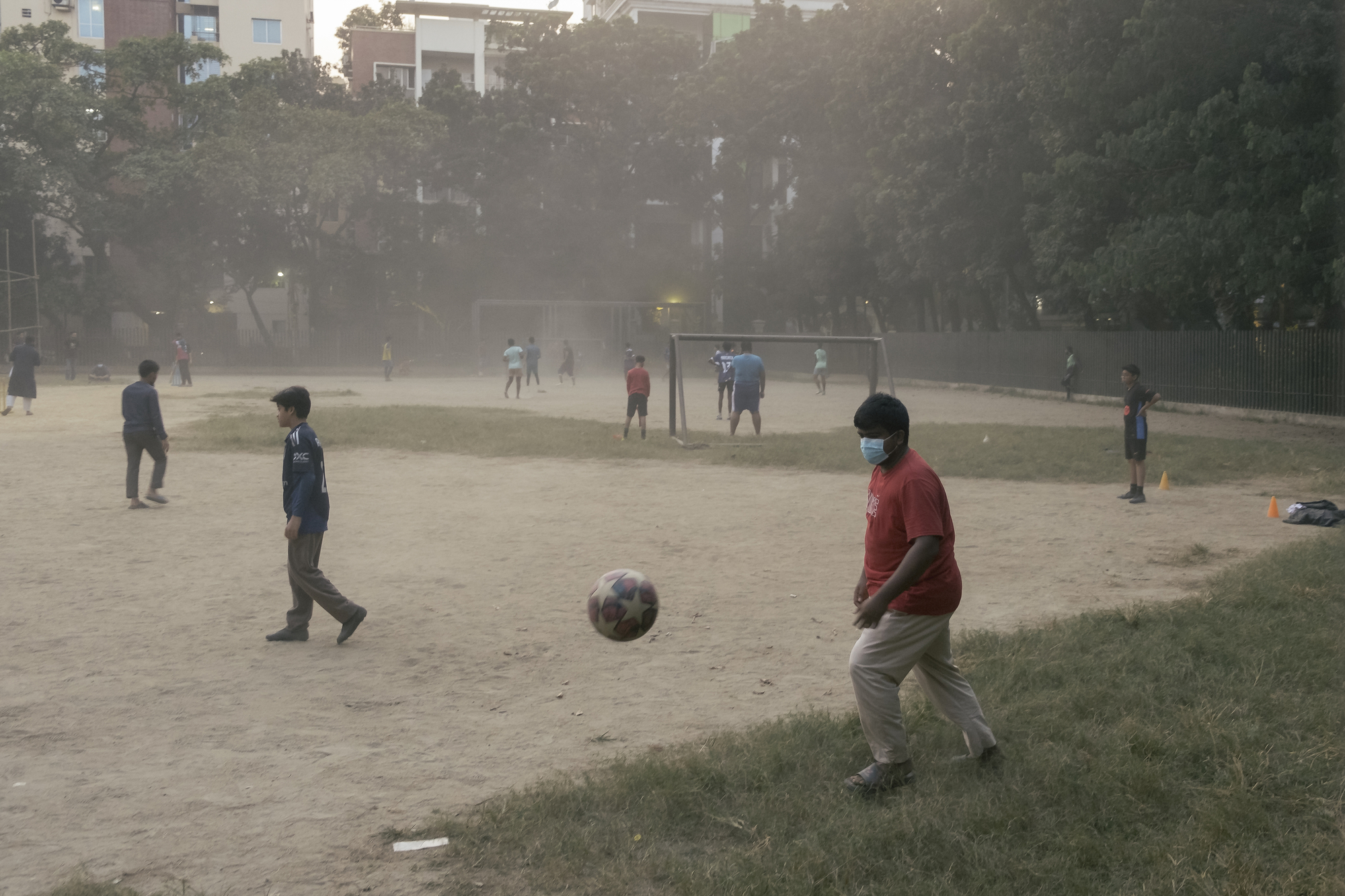
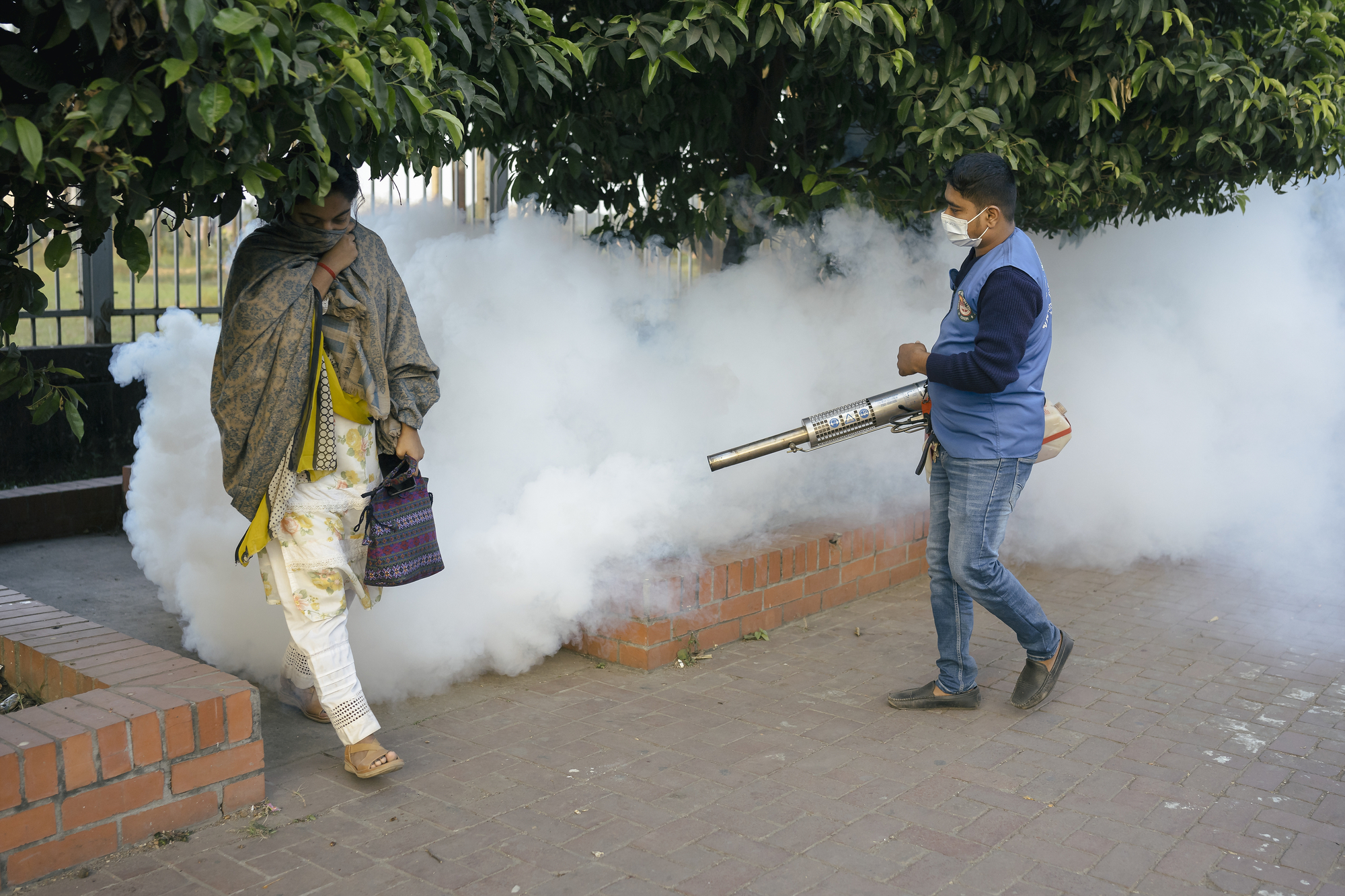
Photo: Md Rizwanul Hasan/TIMES
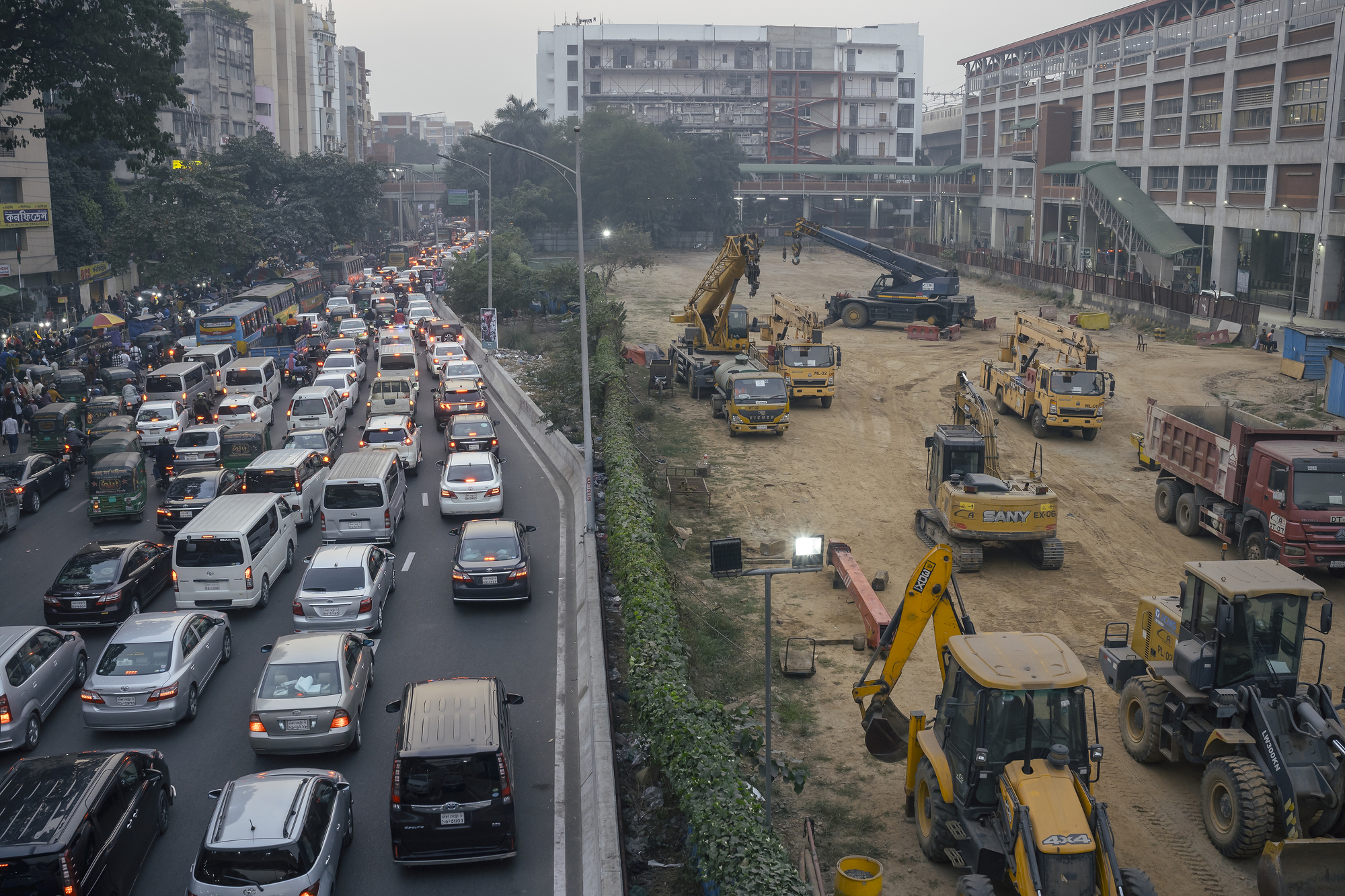
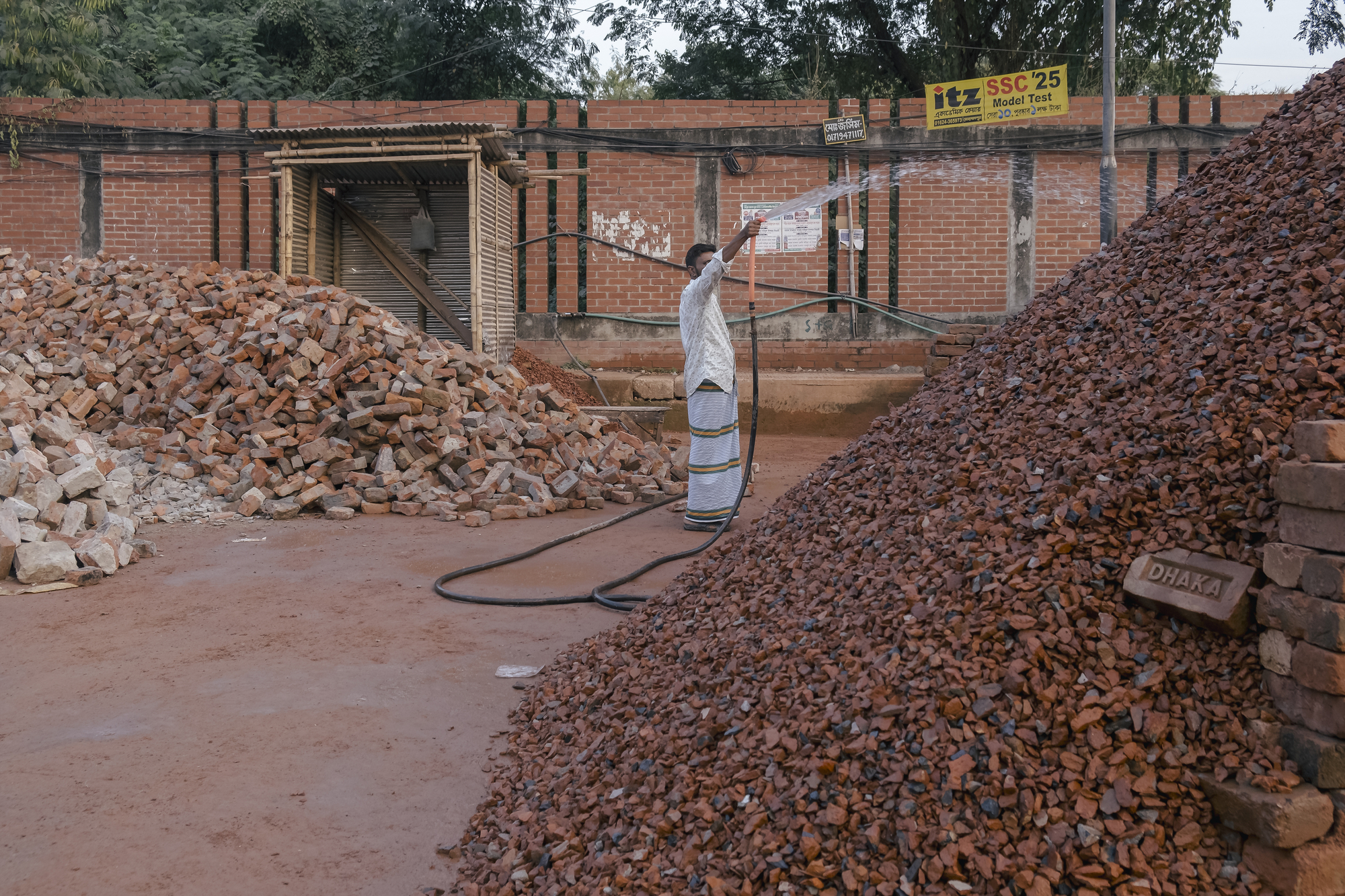
The city’s transformation has been rapid and ruthless. Tower cranes rise where wetlands once absorbed monsoon rain. Construction dust blankets entire neighbourhoods in a constant grey film. On the city’s edge, nearly 1,000 brick kilns send plumes of soot into the sky, their chimneys burning through the dry season.

In the streets, tens of thousands of ageing buses, trucks and minibuses rumble through gridlocked traffic, each coughing clouds of black exhaust. Factories vent fumes unchecked, while heaps of burning trash smoulder along roadside drains.
For the city’s 20 million residents, every breath comes at a cost. Hospitals report a surge in patients with chronic asthma, bronchitis and heart disease. Doctors say the youngest and oldest are the first to suffer. Children wheeze through school days, grandparents gasp through sleepless nights.




The Air Quality Life Index estimates that if Dhaka could meet WHO air standards, the average resident might live nearly seven years longer. Across Bangladesh, the loss of life expectancy affects more than 70 million people.
And yet, despite years of warnings, little changes. Environmental laws exist mostly on paper. Construction sites operate without dust barriers. Factory chimneys belch smoke long after inspectors leave. Vehicle emission checks start with fanfare, only to fade amid bureaucratic neglect.
Dhaka was once known as the “City of Mosques and Waterways,” with its rivers and trees offering shade and a gentle breeze. Today, those waters are clogged, and the green canopy has thinned to a memory. The city’s horizon is now blurred, not by fog, but by the very evidence of its ambition.
Every high-rise, every new road, every brick kiln marks another chapter in Dhaka’s remarkable ascent and its slow suffocation. Unless decisive, coordinated action begins soon, this megacity’s race toward modernity may end with the simplest human need, clean air out of reach.