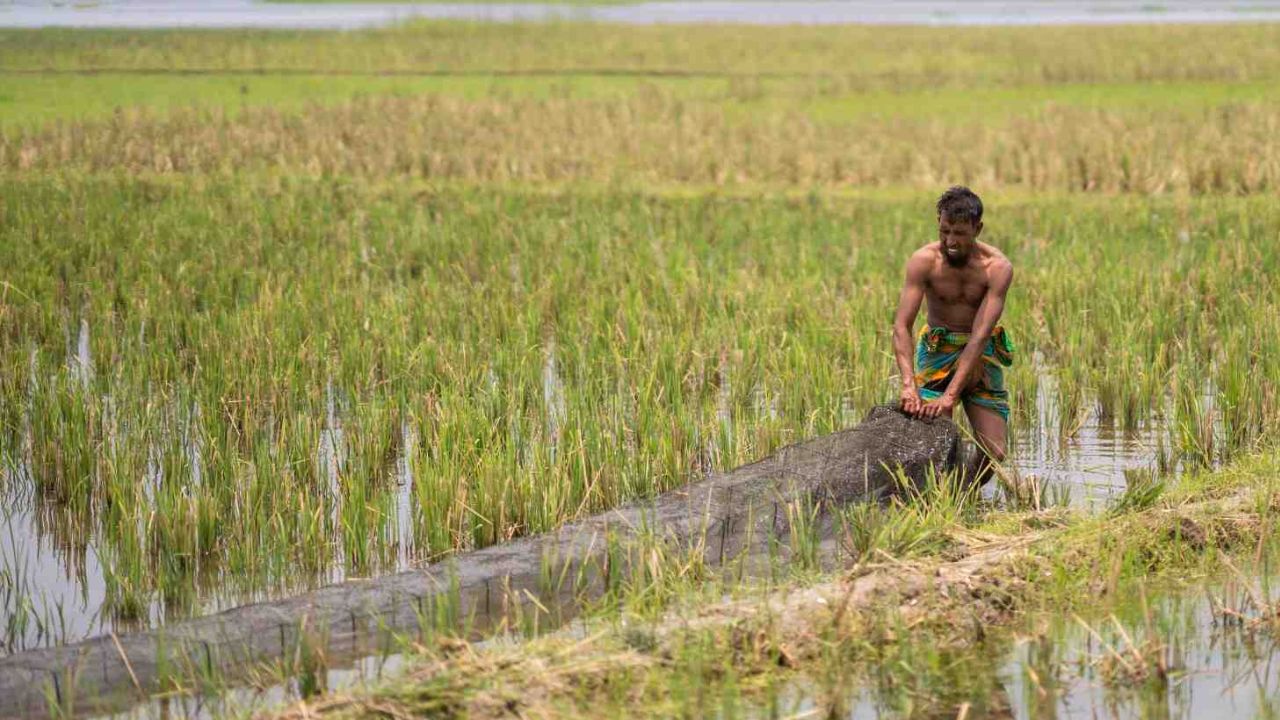

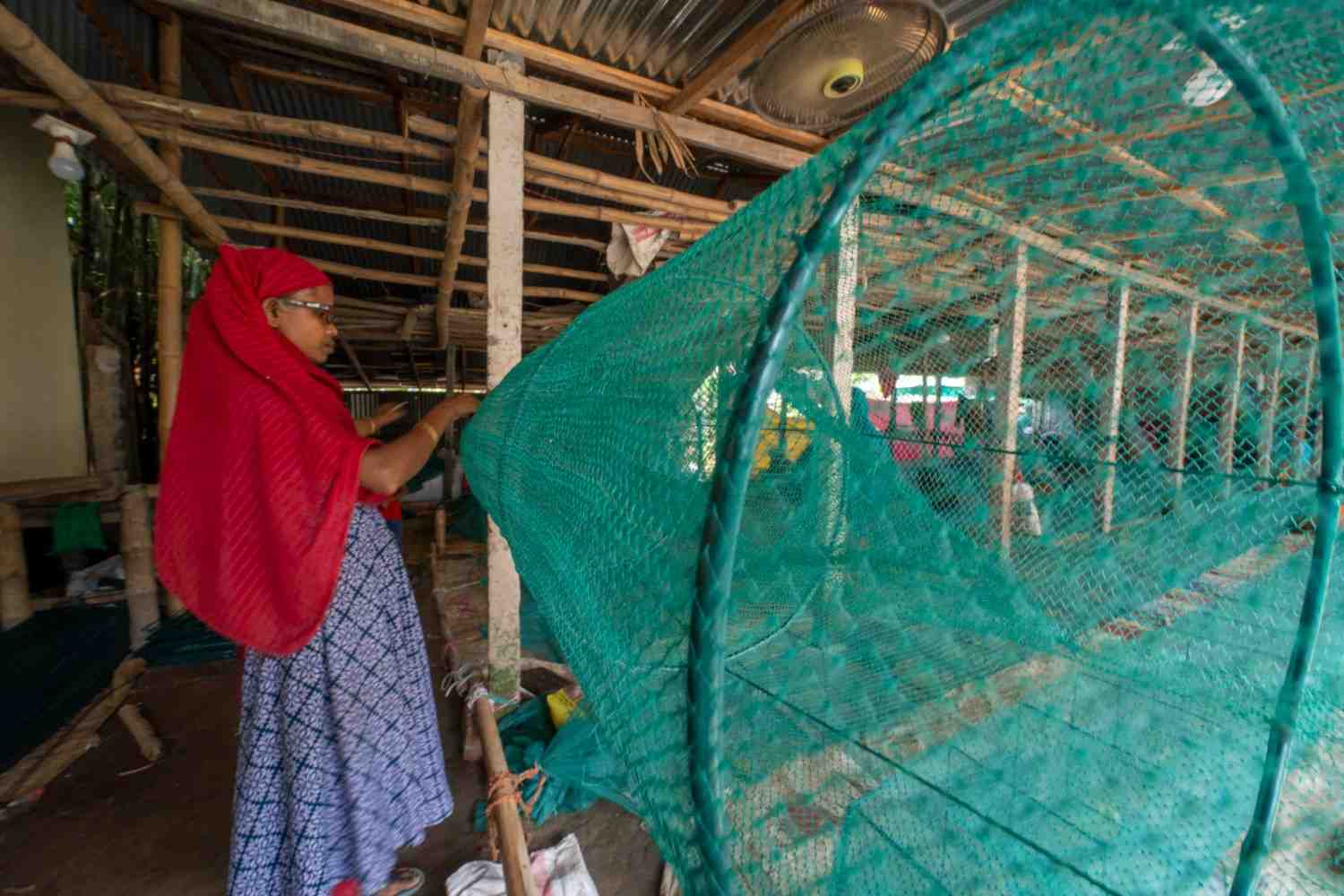
The haor regions of Bangladesh are facing an escalating ecological crisis as fine mesh “Chinese fish traps”, locally known as China Duari or China Magic Ring Nets, spread rapidly across freshwater fishing grounds.
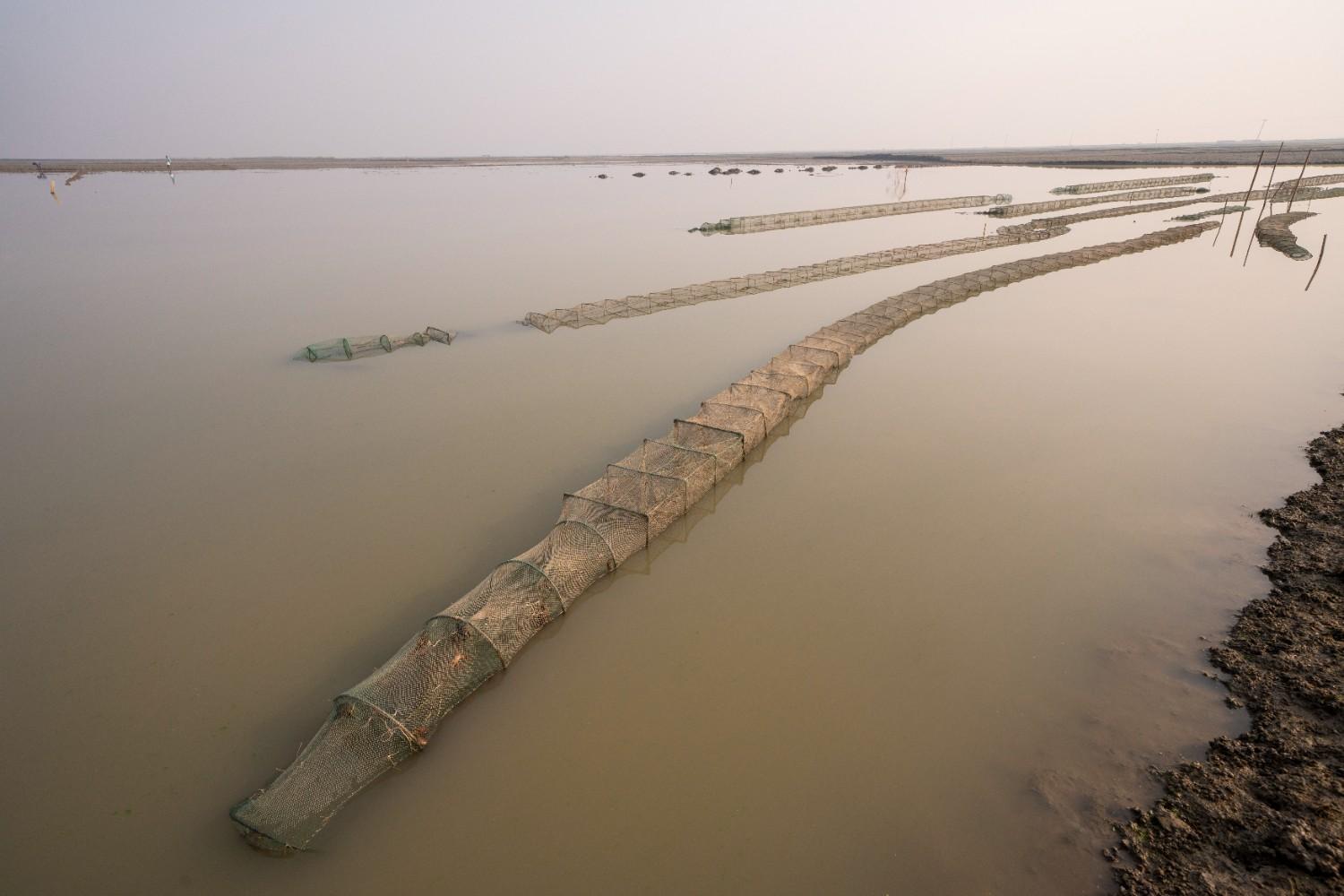
Environmentalists and local residents warn that these indiscriminate nets are silently dismantling the region’s fragile aquatic ecosystem by catching everything that passes through them, from fish fry to snails, crabs, and beneficial aquatic insects.
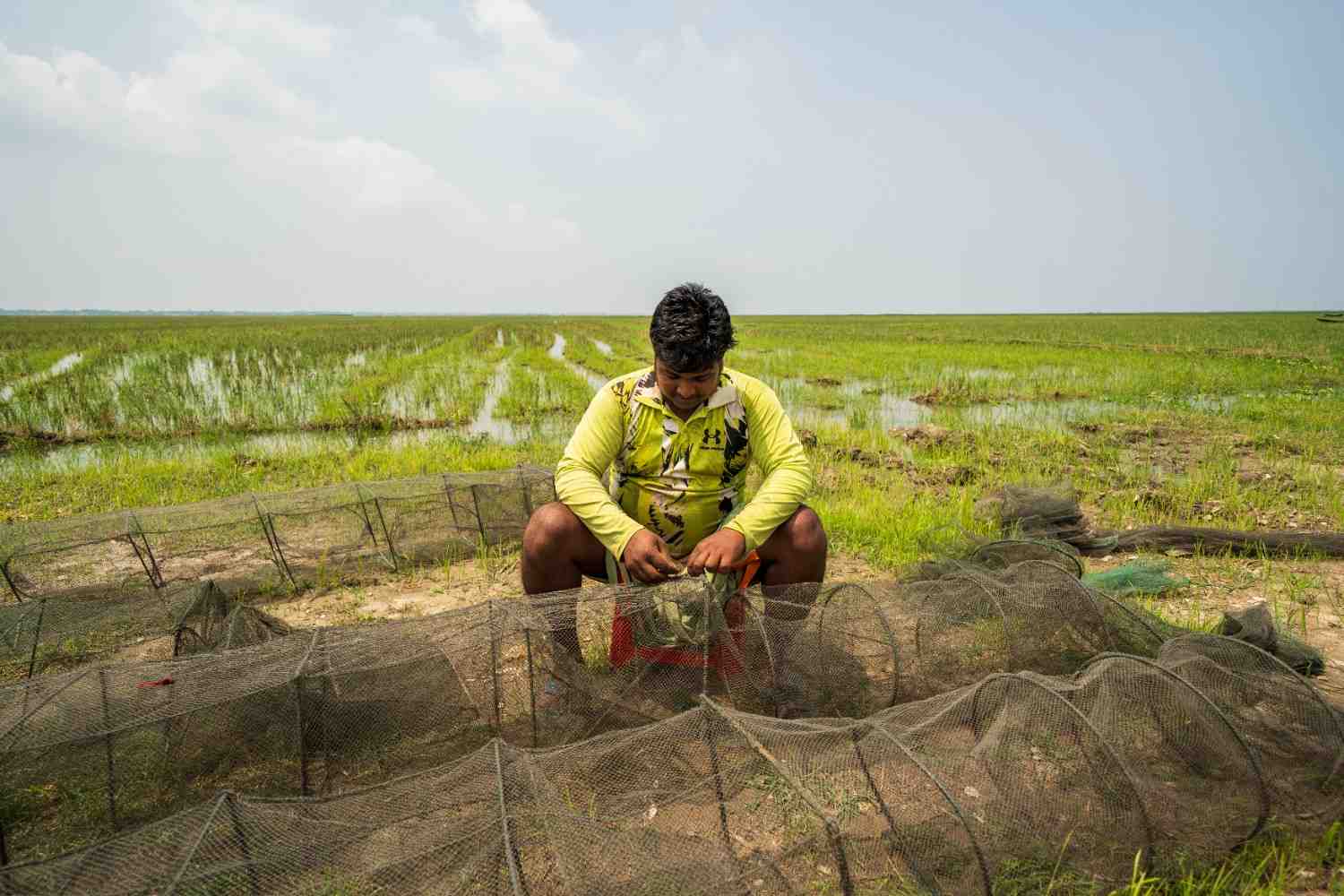
Once thriving with indigenous small fish species, crabs, snails, and other micro-fauna, the haor system has long played a vital ecological role.

They support the food chain, maintain water health, and contribute to agricultural productivity. But experts say the widespread use of China Duari is breaking this balance at its root.
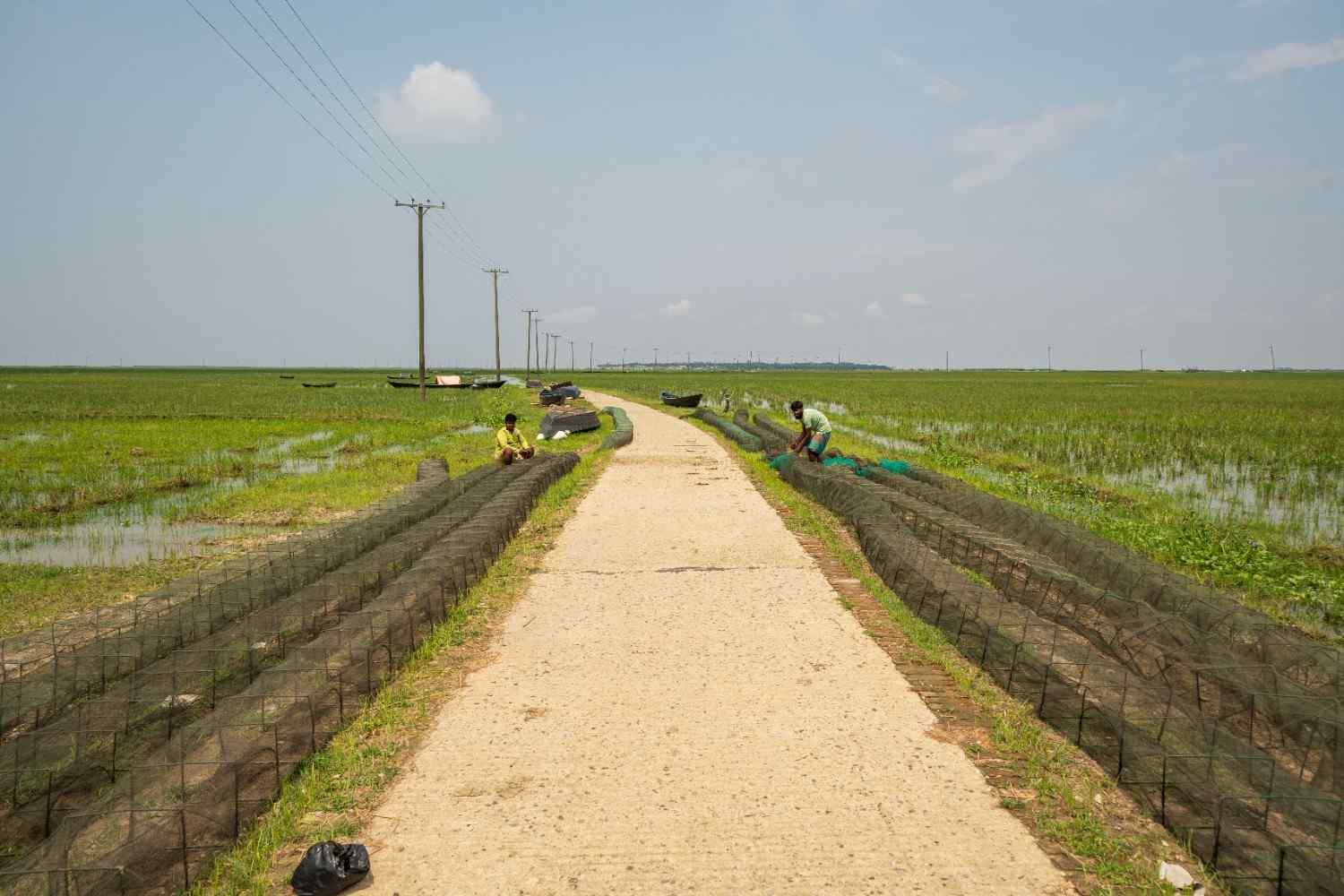
These nets do not allow any chance of regeneration. Even young fish and eggs are being trapped before they can mature.




Residents across haor regions report a visible decline in fish breeding cycles and a steady loss of biodiversity. Once common species, such as freshwater crabs and snails, are now increasingly rare.
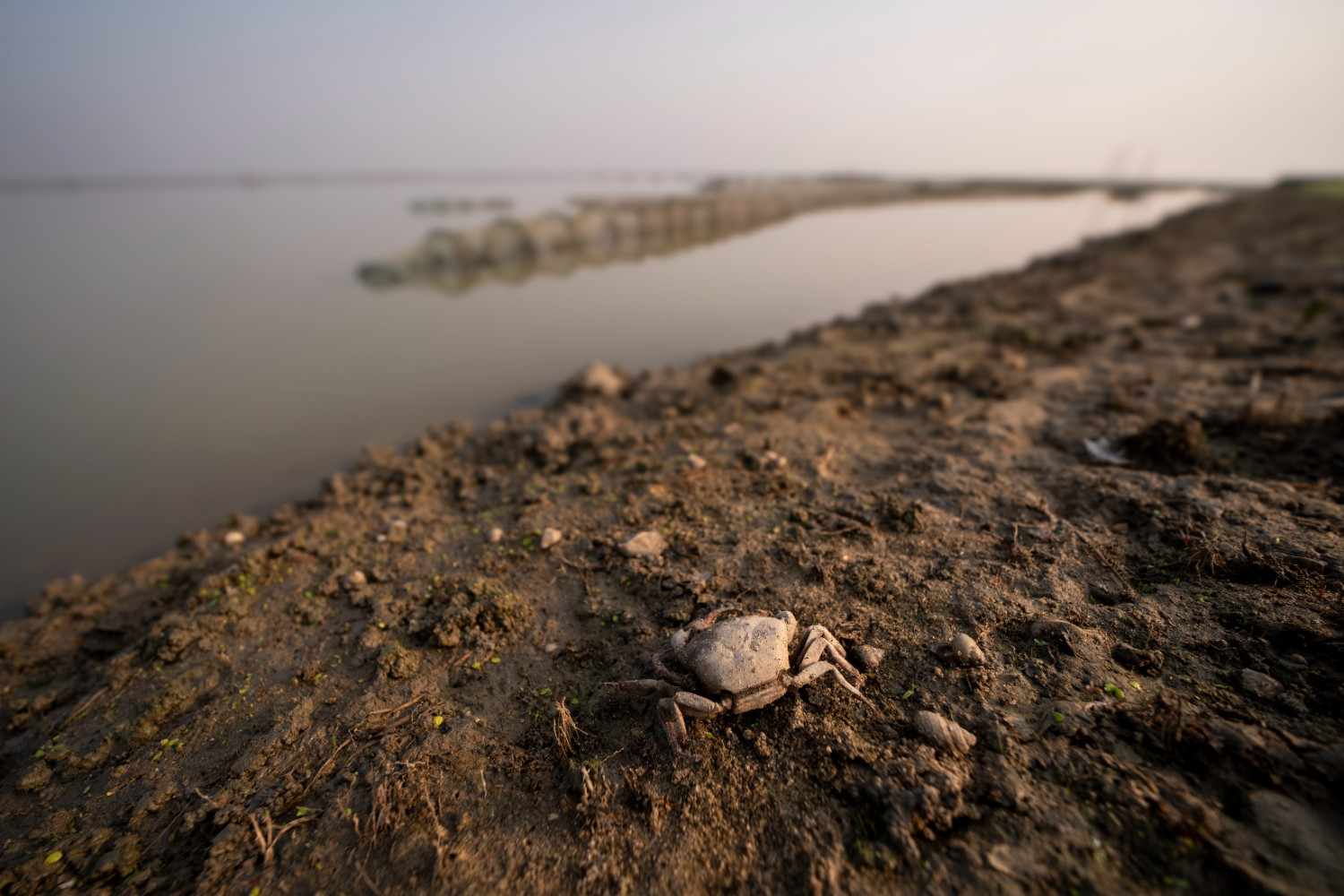
At the same time, aquatic insect populations, essential for maintaining ecological stability, are also falling sharply.
Environmental advocates caution that if the trend continues unchecked, several native fish and aquatic species could face local extinction.
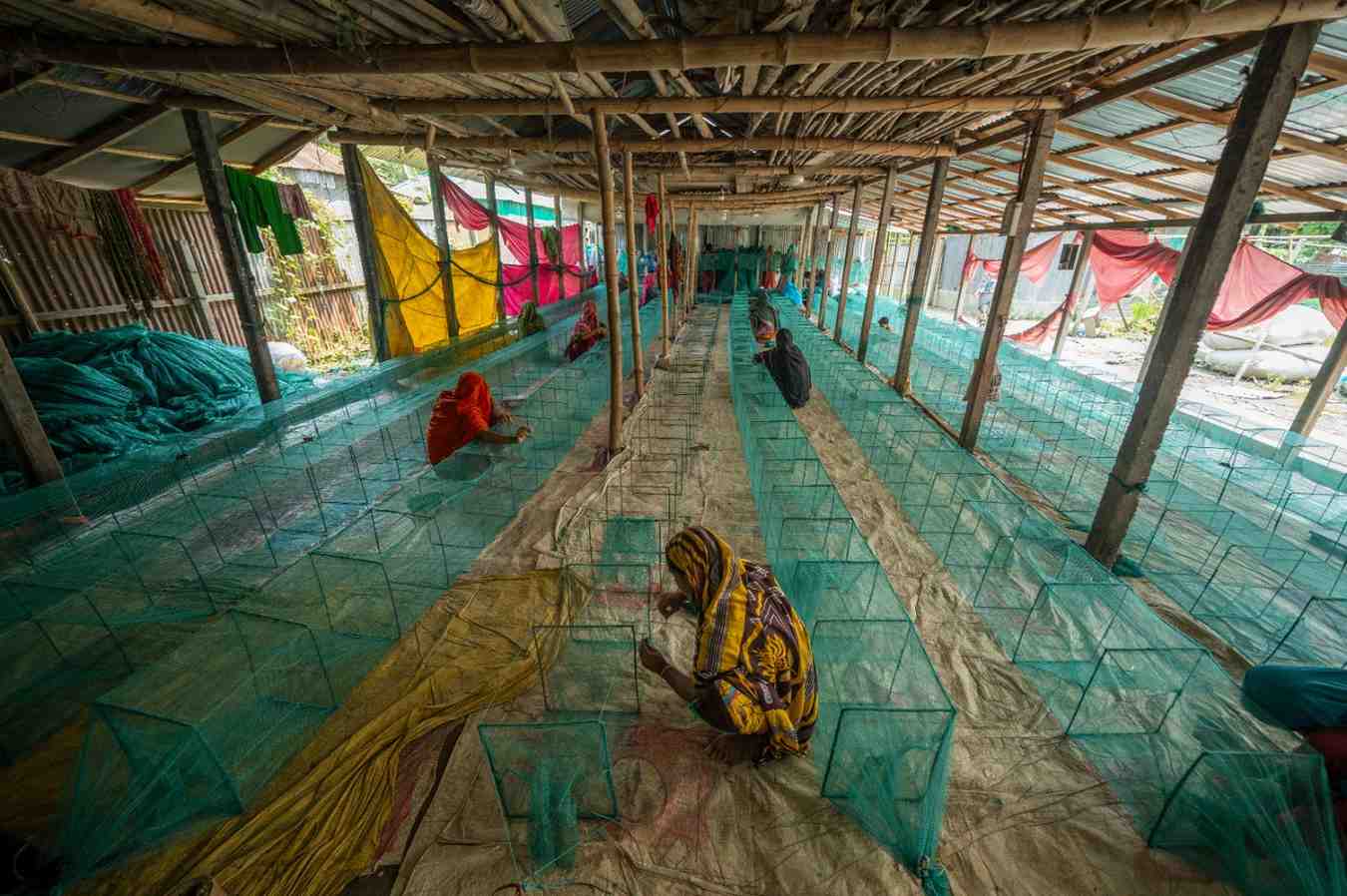
They stress that the impact will not remain confined to wetlands alone but will eventually ripple through agriculture, livelihoods, and food security in surrounding communities.
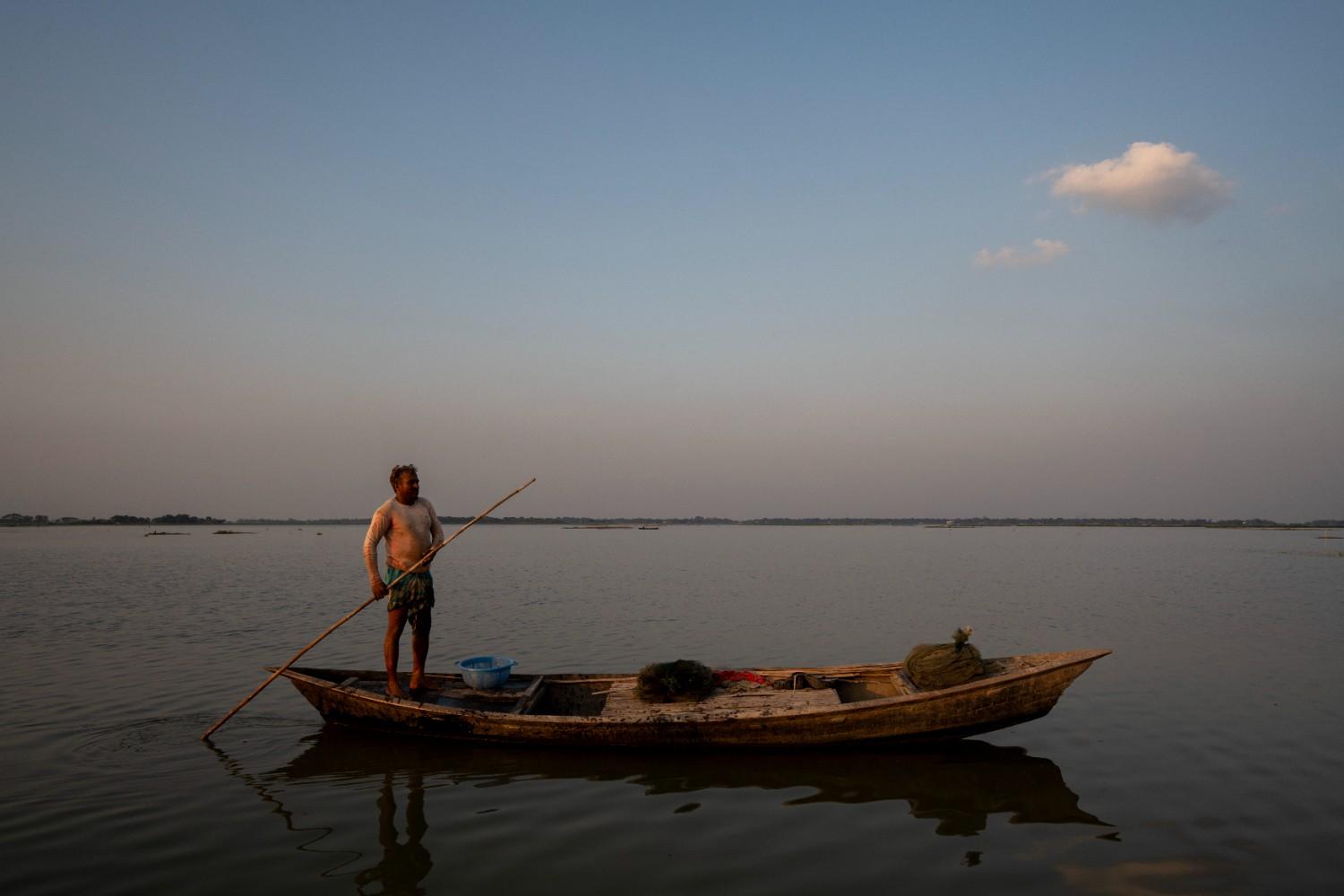
Calling for urgent intervention, conservationists have urged stricter enforcement of existing fishing regulations, a ban or tight control on Chinese fish traps, and large-scale public awareness campaigns.
Haors are not just fish reservoirs. They are living ecosystems. If their biodiversity collapses, we risk damaging nature’s balance and our own future along with it.