


China has reacted cautiously after the United States removed two leaders widely seen as friendly to Beijing within two months, underscoring the limits of its willingness to confront Washington despite close ties with some of the affected governments, says CNN.
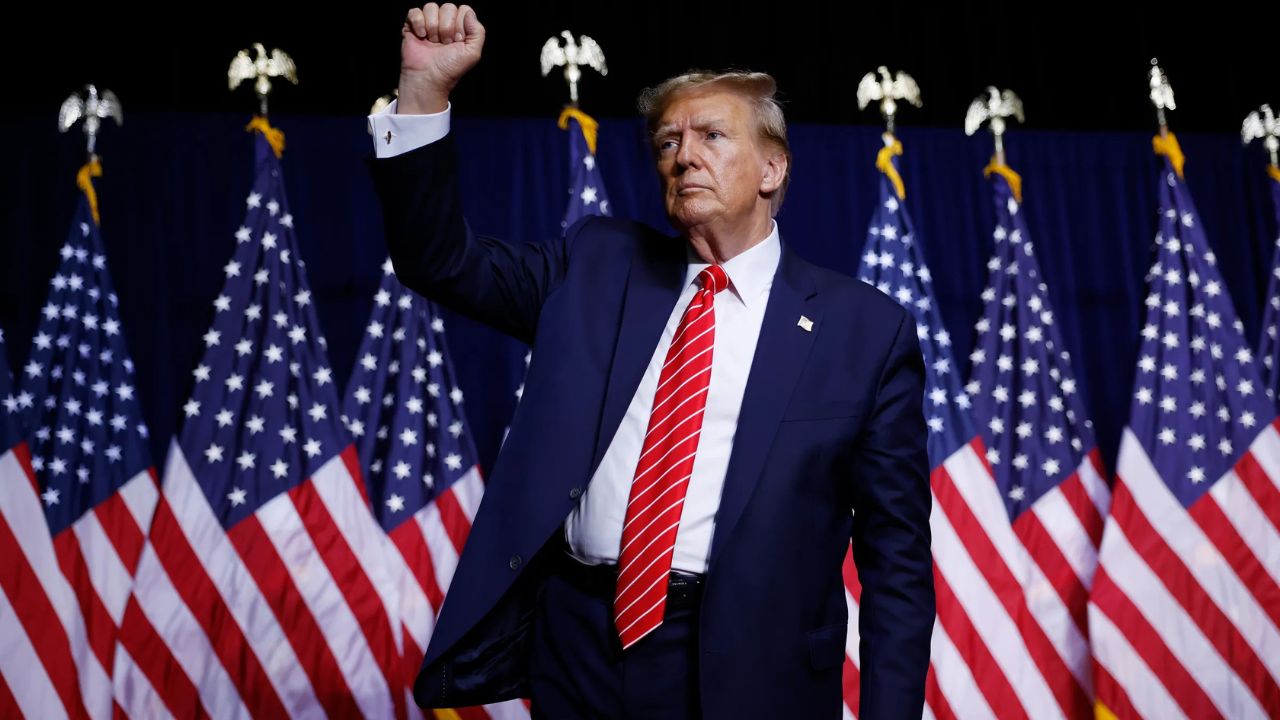
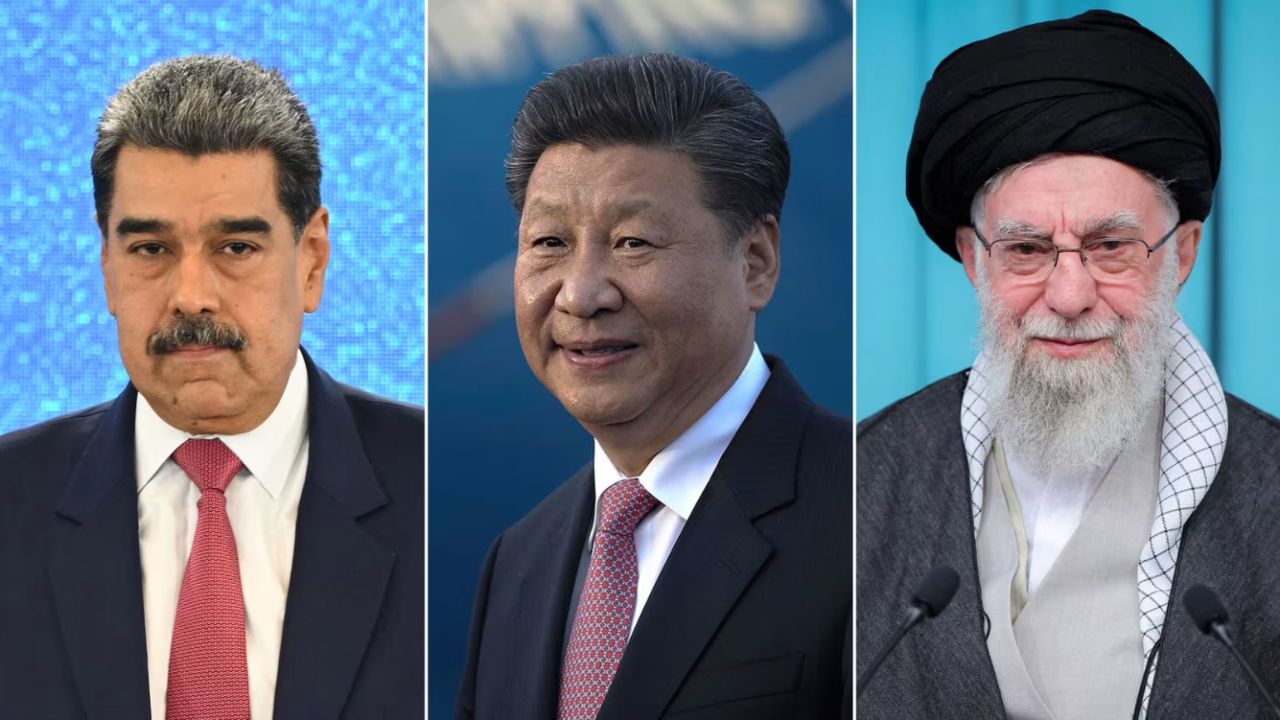
US President Donald Trump oversaw two dramatic operations targeting governments aligned with China.Venezuelan President Nicolás Maduro was captured in Caracas during an overnight raid by US special forces and transferred to a detention facility in New York. Iran’s Supreme Leader Ali Khamenei was killed in a daylight bombing in central Tehran in a joint US mission with Israel. Beijing strongly criticised both actions, condemning what it described as interference in sovereign states and warning against attempts at regime change. Chinese officials also reaffirmed their ties with Iran and called for stability in the region. But beyond diplomatic protests and statements, Beijing has taken few tangible steps in response.
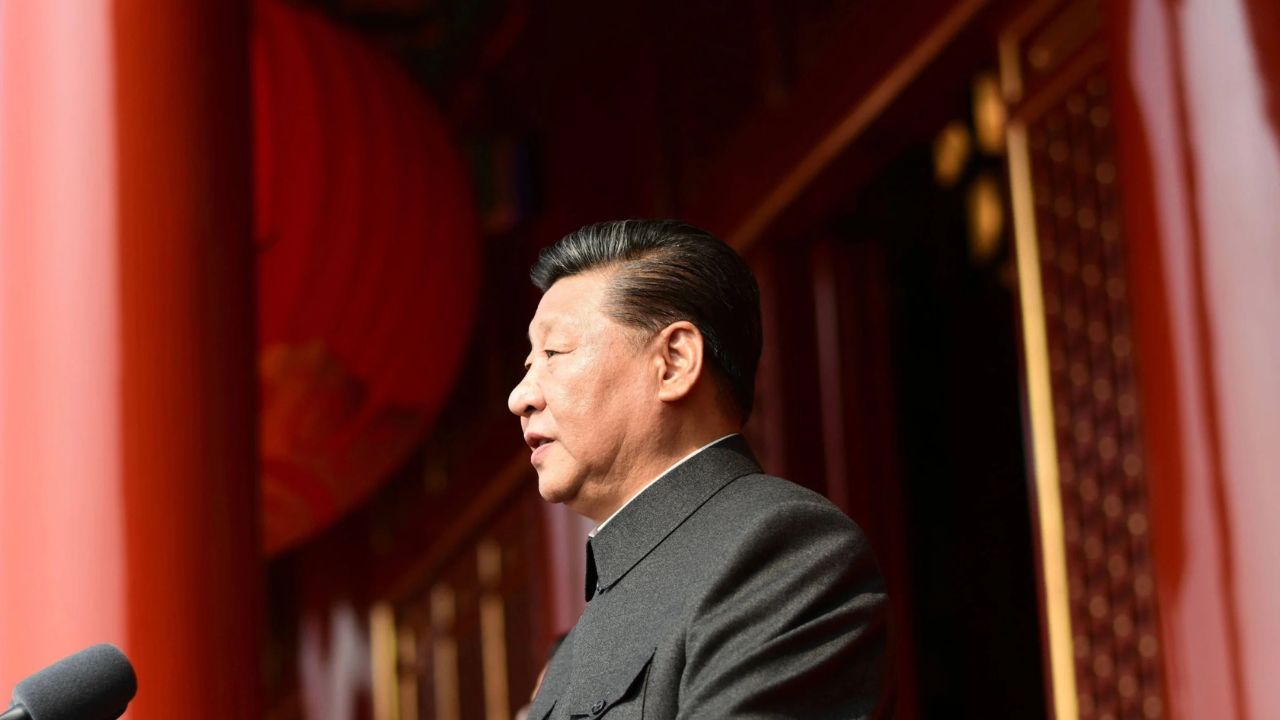
Analysts say the restrained reaction reflects a pragmatic calculation by Chinese leader Xi Jinping, who is prioritising stable relations with Washington as the two sides prepare for a summit in Beijing later this month. “China is a fair-weather friend – long on words, short on risk,” said Craig Singleton, senior director for China at the Washington-based Foundation for Defense of Democracies. “Beijing will speak up at the United Nations but steer clear of providing any significant support to Tehran.” Some experts also say China may quietly benefit from Washington’s growing military involvement in the Middle East because it diverts attention and resources away from the Indo-Pacific, where the United States has been strengthening alliances to counter Beijing’s influence.
Iran remains an important partner for China, particularly in energy trade and diplomatic cooperation, but analysts say the relationship has clear limits. Military cooperation between the two countries has been relatively constrained and China’s trade and investment ties with several Gulf states exceed those with Iran. William Yang, a senior analyst at the International Crisis Group, said Beijing has little incentive to escalate tensions with Washington over Tehran. “It still attaches greater importance to maintaining the trade truce and overall stability in the bilateral relationship with the US,” Yang said.

China has long been Iran’s largest buyer of crude oil and has repeatedly criticised US sanctions imposed on Tehran. Beijing has also supported Iran’s position that its nuclear programme is peaceful and has helped broaden Tehran’s diplomatic space by supporting its membership in organisations such as BRICS and the Shanghai Cooperation Organisation. Western officials have also accused Chinese companies of supplying chemicals used in Iran’s missile programme and assisting the country in building domestic surveillance infrastructure. China maintains that its trade with Iran complies with international law. Despite these connections, Beijing has consistently avoided direct involvement in security conflicts involving its partners.
The same caution was visible during Iran’s confrontation with Israel last year and subsequent US air strikes, when China limited its response largely to diplomatic statements. Yang said China has long avoided presenting itself as a security guarantor in the Middle East. The United States’ experiences in Afghanistan and Iraq serve as warnings about the risks and costs of deep military involvement in the region. At the same time, China has worked to balance its relations across the Middle East. While maintaining ties with Tehran, Beijing has also strengthened economic and diplomatic relationships with Saudi Arabia and other Gulf states.


In 2023, China played a role in facilitating a rapprochement between Iran and Saudi Arabia. Concern has nevertheless grown in Washington about closer coordination among China, Iran, Russia and North Korea.
Leaders from the four countries appeared together at a large military parade in Beijing last September, and China, Russia and Iran have also held joint military exercises in recent years. Ja Ian Chong, a political scientist at the National University of Singapore, said Iran remains geographically distant from China and does not represent a core strategic interest for Beijing.
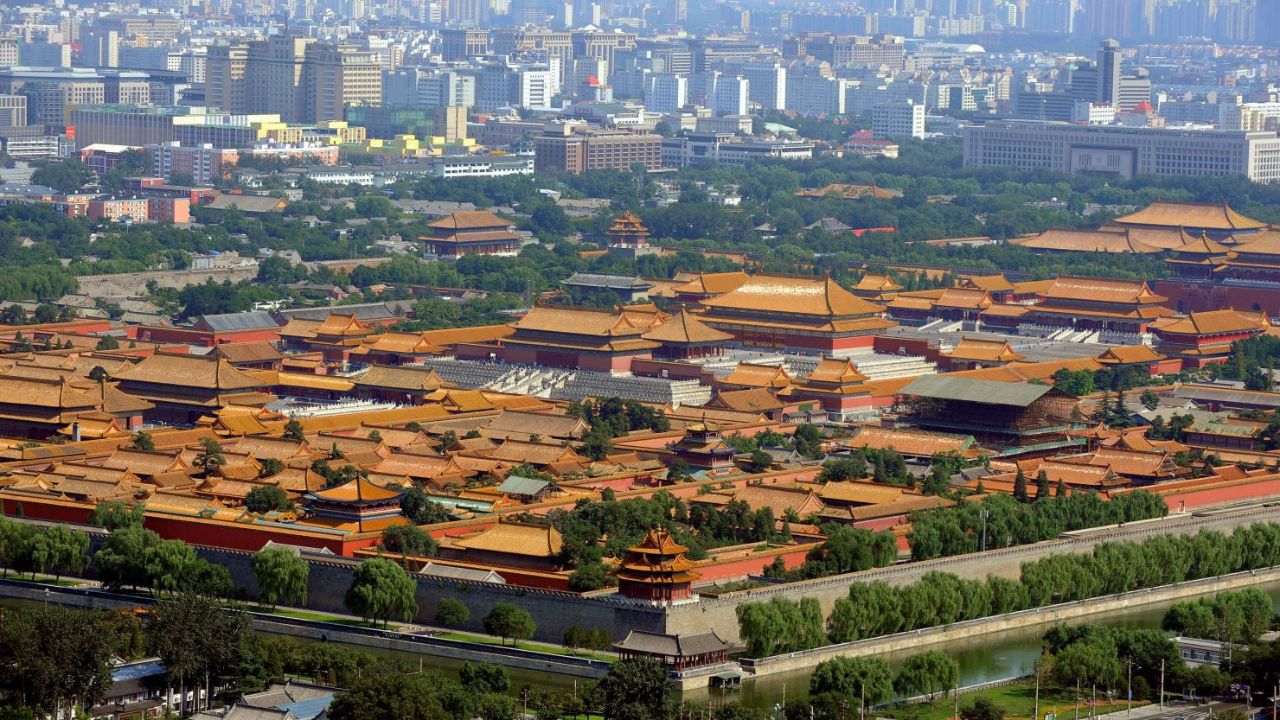
However, Beijing’s limited response during recent attacks could raise questions among other countries about China’s reliability during crises. “Others who work with or wish to work with the PRC on security issues may rightly ask if Beijing will abandon them,” Chong said, referring to China by its official name, the People’s Republic of China. Despite these uncertainties, analysts say Tehran is likely to maintain its partnership with Beijing because of China’s economic weight and energy demand.
Developments in Iran may also create strategic opportunities for China. Zhu Zhaoyi, director of the Middle East Institute at Peking University HSBC Business School, said deeper US involvement in Middle Eastern conflicts could divert American strategic resources away from competition with China in the Indo-Pacific.
A prolonged campaign against Iran could also strain US weapons stockpiles. China has restricted exports of rare earth elements used in advanced military technology, including missiles and fighter aircraft, potentially complicating US efforts to replenish its arsenal. Short-term risks remain for China, particularly in energy markets.
Nearly all Iranian crude exports are shipped to China, accounting for about 13 per cent of its seaborne crude imports, according to data from analytics firm Kpler. Much of the trade flows through intermediary countries before reaching smaller independent refineries along China’s coast.
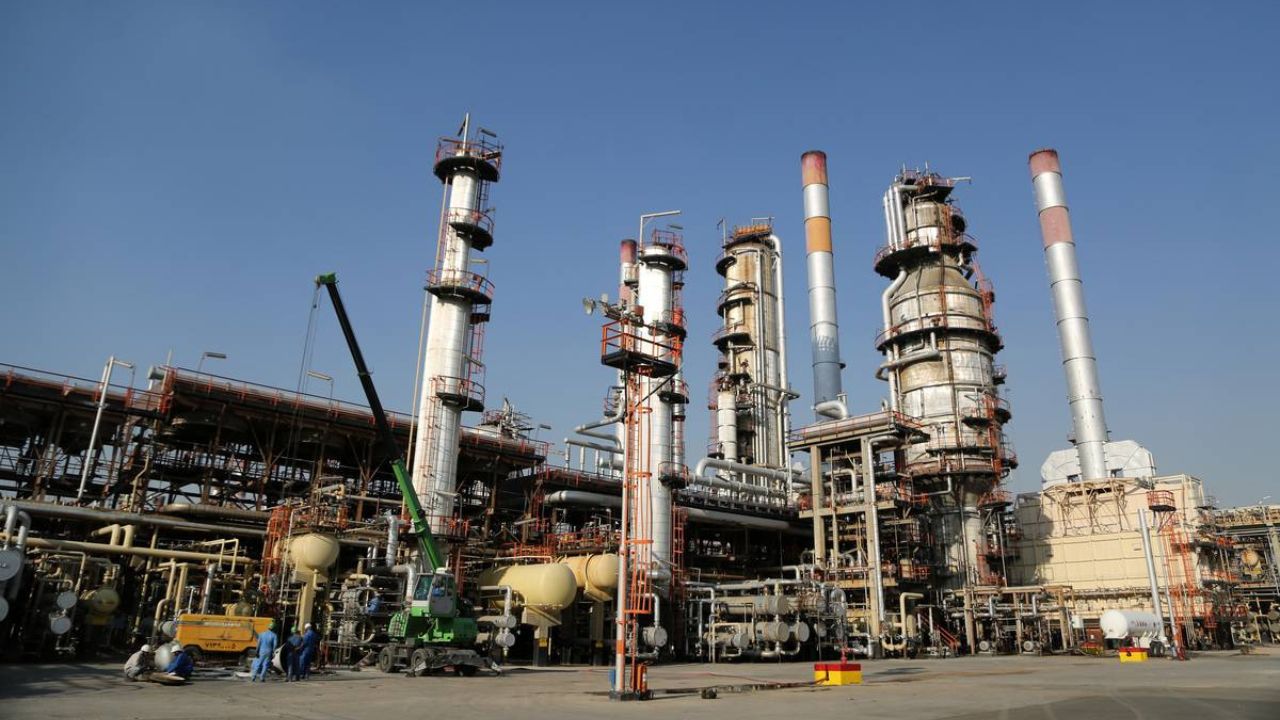
These facilities, often called “teapot” refineries, typically avoid direct transactions with state-owned Chinese companies that could face US sanctions. Analysts say shipments often involve tankers operating in what is sometimes called a “dark fleet”, using techniques designed to obscure the origin of sanctioned cargo. Despite reliance on Iranian oil, analysts say China could manage temporary disruptions because it has diversified supply sources and built up large reserves. China currently holds roughly 1.2 billion barrels of crude oil in onshore storage, equivalent to about 115 days of seaborne imports.
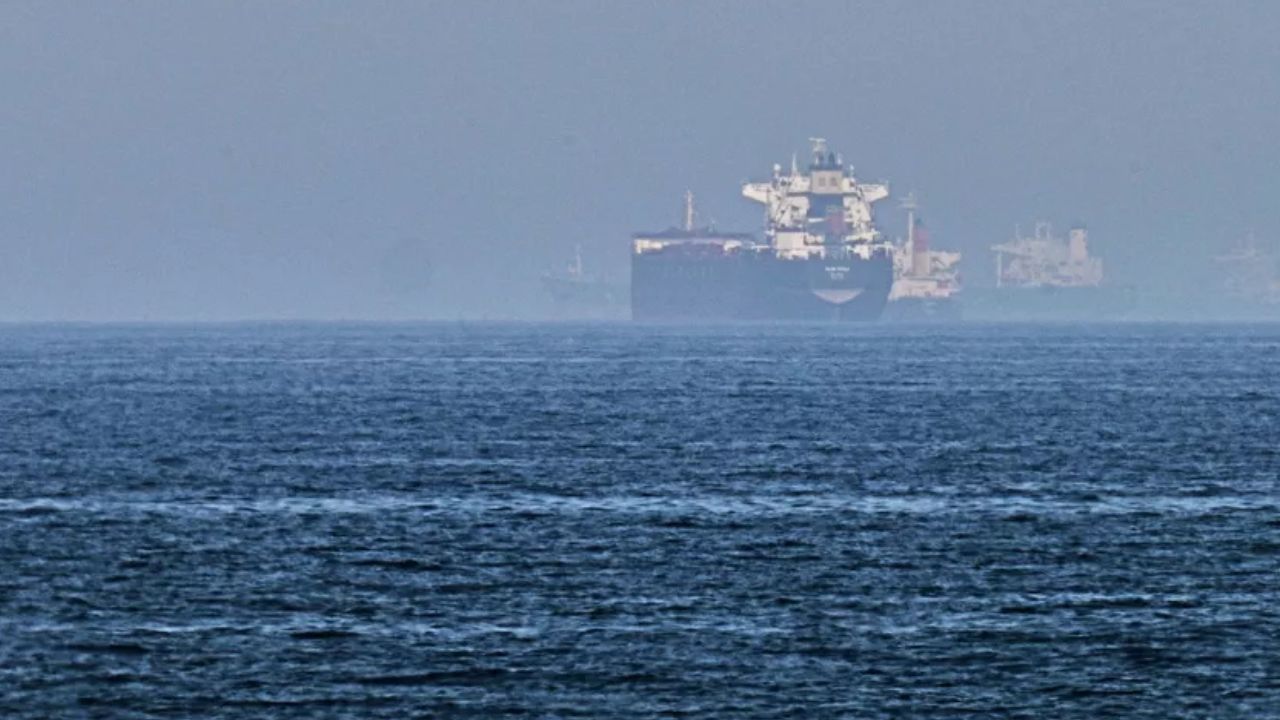
The bigger risk lies in wider instability across the Middle East. Around one-third of China’s oil consumption comes from the region, much of it transported through the Strait of Hormuz. Iran controls the northern side of the strait and has warned it could target ships passing through the waterway. Recent tanker attacks and security concerns have already disrupted traffic. China’s foreign ministry has urged an immediate ceasefire, stressing that maintaining stability in the strait is essential for global trade and energy supplies.