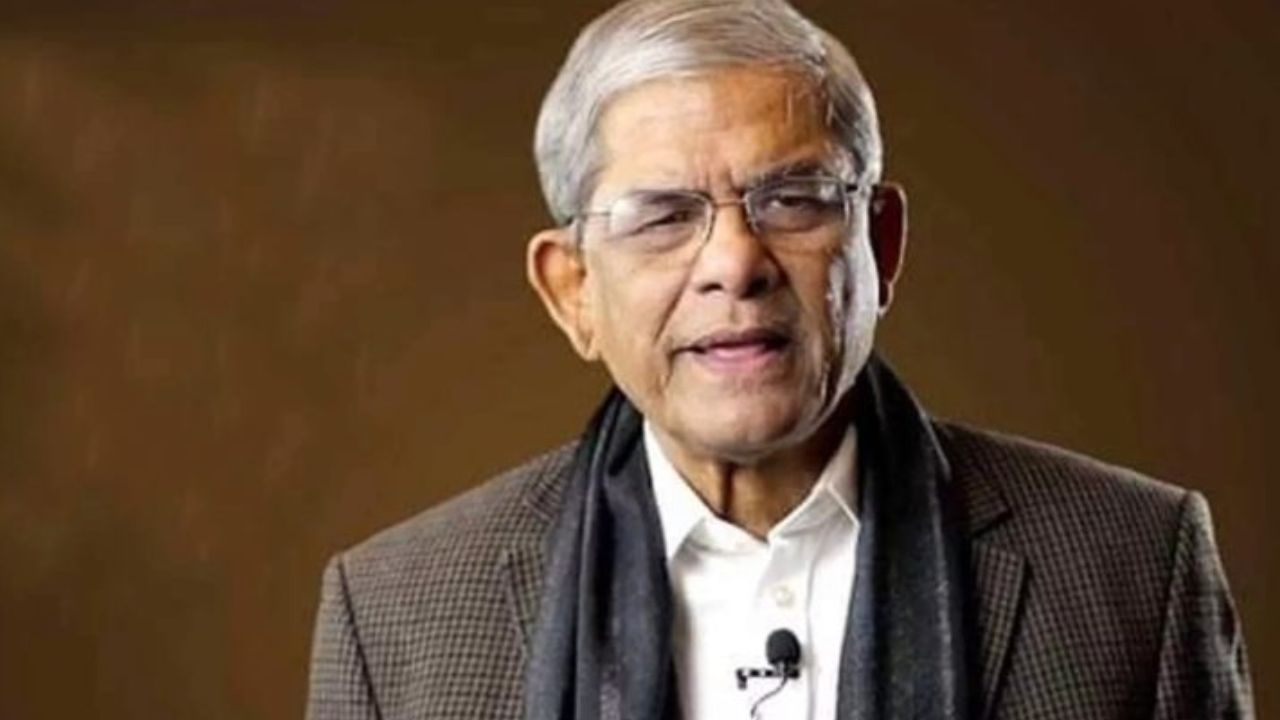



Mirza Fakhrul Islam Alamgir is set to become the next president after BNP nominated him for the country’s highest constitutional office. With the party holding a two-thirds majority in parliament, his election is merely a formality.
Although the presidency carries limited executive authority under the existing constitutional framework, Fakhrul’s long political experience, measured style and reputation for dialogue have raised expectations that he could give greater weight to the largely ceremonial office.
BNP’s decision to nominate its secretary general as president has triggered discussion among party leaders and political observers over whether his leadership approach could bring a more active dimension to the role.
Fakhrul’s six-decade political career, restrained public statements, advocacy for political compromise and relatively clean public image have led many within BNP and beyond to view his nomination as an opportunity to bring a different approach to the presidency.
BNP Standing Committee member Khandaker Mosharraf Hossain said the presidency is a constitutional position that must be exercised above partisan interests.

“The post of president is constitutional. One has to perform this responsibility by rising above all parties and opinions,” he told TIMES of Bangladesh.
“Mirza Fakhrul Islam Alamgir is the most qualified person for this position. That is why BNP has nominated him. Leaders and activists at all levels of the party are happy with this decision. We hope that, rising above party politics, he will work for the country, its people and their welfare,” he added.
The nomination comes amid a longstanding debate over the balance of power between the president and the prime minister under Bangladesh’s constitutional system.
Although the constitution designates the president as the head of state, executive authority largely rests with the prime minister. Under Article 48(2), the president ranks above all other persons in the state, but Article 48(3) requires the president to act on the prime minister’s advice in all functions except the appointment of the prime minister and the chief justice.



The president must therefore generally follow the prime minister’s advice on issues including summoning, proroguing and dissolving parliament, assenting to bills, declaring emergencies, appointing ambassadors, declaring war, approving peace treaties and exercising the power of pardon.
The constitution also states that no court can question whether the prime minister gave advice to the president or what that advice contained.
As a result, the president’s independent constitutional authority remains limited. The officeholder also enjoys immunity for official acts, while criminal proceedings or arrest warrants cannot be initiated against the president during the term.
The July Charter, however, proposes changes aimed at expanding presidential authority. These include electing the president through secret ballots of members of both chambers of parliament and empowering the president to appoint heads of several constitutional and statutory bodies, including the National Human Rights Commission, Information Commission, Law Commission, Bangladesh Bank and Bangladesh Energy Regulatory Commission.
The proposals also include impeachment of the president by a two-thirds majority in both chambers for treason, gross misconduct or constitutional violations, along with restrictions on presidential pardon powers.
The proposals have not yet been incorporated into the Constitution. Several parties, including BNP, have submitted notes of dissent over some proposed appointment powers. Parliament has formed a special committee to advance constitutional reforms under the July Charter.
Badiul Alam Majumdar, a former member of the National Consensus Commission, said the president currently has limited independent authority.
“According to the constitution, except for two matters, the president has no opportunity to do anything without the prime minister’s advice. The president is basically a figurehead,” he said.
However, he said Fakhrul could still play a meaningful role through policy discussions and advice.
“As a senior and popular person, Fakhrul Islam Alamgir can speak and give advice on public policy. That advice can be given both formally and informally. But there is no obligation to accept that advice,” Majumdar added.
Article 70, open voting and parliamentary majorities have made presidential elections largely predictable, with opposition candidates rarely posing a serious challenge. With BNP holding more than a two-thirds majority in parliament, Fakhrul is set to win.
Political analysts believe Fakhrul’s restrained style, experience and public image could enhance the practical relevance of the presidency. His biggest challenge, however, will be to move beyond his party identity and establish himself as a president for all citizens while maintaining institutional balance within constitutional limits.