Finance Minister Amir Khosru Mahmud Chowdhury said the upcoming national budget will focus on controlling inflation, generating employment, boosting investment, and ensuring the welfare of marginalised communities.
Speaking informally to journalists at his parliamentary chamber on Wednesday evening, Khosru said the budget has been prepared with special emphasis on macroeconomic stability and inclusive development, aiming to address the needs of all sections of society, including workers, farmers, students and low-income groups.
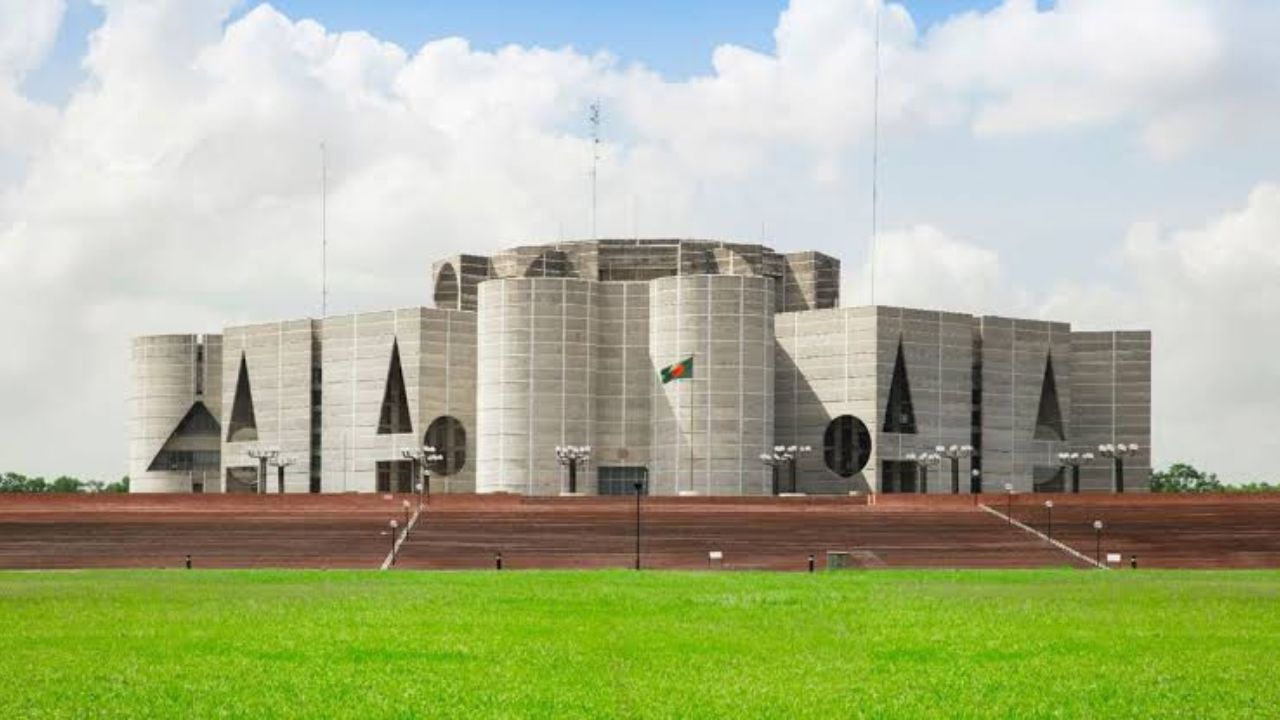
He is set to present the 56th national budget for the fiscal year 2026–27 in the National Parliament at 3pm on Thursday.

“Day after tomorrow, the budget will be announced. At this moment, I cannot share details, but it will be a strong and inclusive budget addressing the welfare of all segments of society,” he said, adding that special attention will be given to students, workers, farmers, artisans and other disadvantaged groups.
The minister further indicated that the budget will include strategies to address global challenges, including the ongoing Middle East crisis, while reaffirming the government’s commitment to inclusive development.



Sources at the Finance Ministry said Amir Khasru Mahmud Chowdhury has been working 18 to 19 hours a day over the past five days, overseeing the finalisation of the budget speech. On Wednesday, he was fully engaged in drafting the speech and did not meet any visitors.
Officials confirmed that the budget will also reflect key election commitments, including the ‘Family Card’, ‘Farmer Card’, and canal excavation programmes.
Measures aimed at ensuring financial stability, restoring public confidence in the banking sector, strengthening the macroeconomy, and increasing revenue collection are also expected.
Khosru, who holds an advanced degree in accounting from the University of London, is the founder of the Chittagong Stock Exchange and a former chairman of the Chittagong Chamber of Commerce and Industry.
A senior member of the BNP Standing Committee, he has been elected to Parliament four times since 1991 and served as Commerce Minister in the 2001 BNP government.
Finance ministry sources stressed that the minister’s direct involvement in the final stage of budget preparation is essential to ensure accuracy and coherence in policy implementation.