The budget should support Bangladesh’s LDC graduation, industrial upgrading, and green transition through dedicated long-term financing while addressing credit constraints, energy security, and competitiveness challenges, said Shasha Denims Managing Director Shams Mahmud.
In an interview with Mahfuz Ullah Babu of TIMES of Bangladesh, the former president of the Dhaka Chamber of Commerce and Industry called for an LDC transition fund backed by long-term concessional financing from international development partners to help exporters and import-substituting industries invest in backward linkages, manmade fibre production, and green-transition projects.
Such a facility could create new industries, reduce import dependence, and strengthen competitiveness after LDC graduation. Financing with repayment periods of 10 to 15 years would be more effective than commercial borrowing at prevailing rates.
“At 14 per cent borrowing costs, many new industries and import-substituting investments are simply not viable,” he said.
Bangladesh will need substantial investment in import-substituting industries after LDC graduation as tariff protection declines, while green-transition requirements will demand fresh capital and technological upgrading, according to Mahmud.
Despite supporting several reform initiatives in the proposed budget, particularly automation, social safety-net management, and business facilitation, he argued that key structural challenges remain.
Automation of customs processes, faster cargo release, and efforts to bring micro-enterprises into the tax net could improve the business environment and broaden the revenue base. Plans to strengthen social welfare delivery through card-based systems should also improve transparency and reduce leakages through a centralised database.

However, expanded welfare spending raises questions over financing if tax collection does not increase significantly.
“The big question is where the additional money will come from.”
Higher government borrowing could widen fiscal deficits, raise interest rates, and crowd out private-sector credit at a time when businesses are already struggling to access financing.
“Operational factories facing cash-flow pressures are receiving little policy support compared with closed or partially shut facilities.”
Access to finance has become increasingly difficult as banks demand additional collateral and prime urban property as security. Borrowers from troubled banks are also competing for financing from stronger institutions.




“The bigger issue is whether businesses can obtain credit.”
Higher welfare spending and a future public-sector pay revision could fuel inflation and push borrowing costs even higher, according to Mahmud.
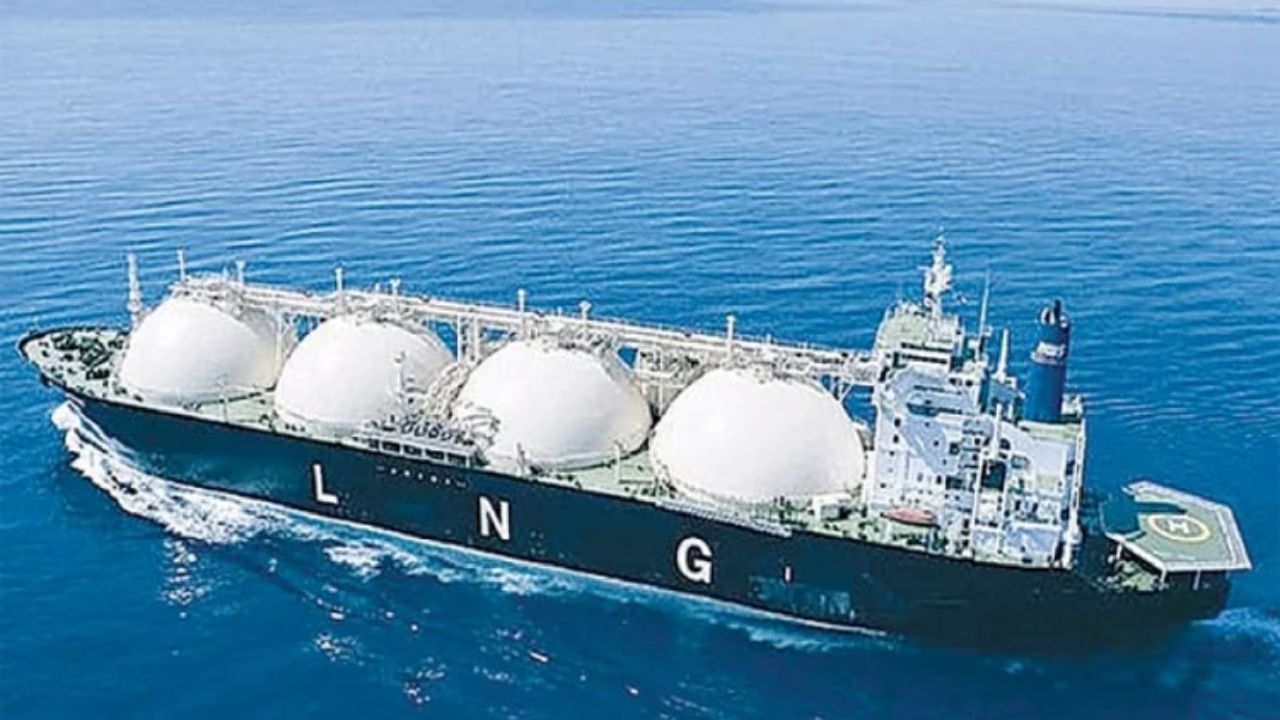
Energy security remains another major concern. Factories ready for production but unable to secure gas connections should receive priority support to accelerate investment and employment generation.
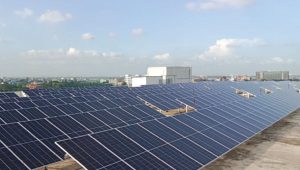
While renewable energy investment is necessary, large industrial operations depend on reliable gas supplies for boilers and captive power generation.
“Twenty-four-hour manufacturing operations cannot run on solar power alone.”
The budget should provide a clearer long-term roadmap for both renewable and conventional energy security. Manufacturers continue to suffer from inadequate gas pressure and unreliable electricity, preventing full-capacity production and increasing costs, while extended holiday periods are reducing working days and affecting economic activity.
Mahmud also called for tighter control of government expenditure, stronger accountability mechanisms, and proper implementation of automation reforms.
The budget should include dedicated funding for National Board of Revenue automation, as critical technology projects often fail because contracts are awarded based on cost rather than capability. Industries that are fully prepared for production should also be prioritised for utility connections and operational support.
Businesses have little capacity to absorb additional taxes under current conditions, while weak stock-market confidence continues to limit alternative financing options.
He also flagged deteriorating road infrastructure, warning that delayed maintenance could result in significantly higher future costs. Small and medium enterprises face even greater pressure from rising electricity costs, financing shortages, and limited policy support.
On trade policy, Mahmud urged the government to prioritise a free trade agreement with the European Union as Bangladesh prepares for LDC graduation, regardless of whether it secures a deferral.
Future access under the EU’s GSP+ regime could be constrained by export-concentration thresholds affecting Bangladesh’s leading export products.
“FTA negotiations have become increasingly important for Bangladesh’s export competitiveness.”
He also argued that export incentives should gradually shift from cash support to productivity-based incentives linked to energy efficiency and technological upgrading.
“If a factory produces the same output using less energy, that efficiency should be rewarded.”
Such incentives would improve productivity, reduce energy consumption, and discourage misuse of subsidies.
Despite several positive initiatives, Bangladesh’s underlying structural challenges — including weak tax mobilisation, banking-sector vulnerabilities, energy insecurity, and declining competitiveness — remain unresolved, according to Mahmud.
“None of these structural problems has disappeared. That reality must remain at the centre of policymaking.”