When Joy Trade International took a Tk10 crore loan from Social Islami Bank’s Bangshal branch in 2013, its owner dreamt of building a thriving import–export firm. Three years later, that dream lay in ruins.
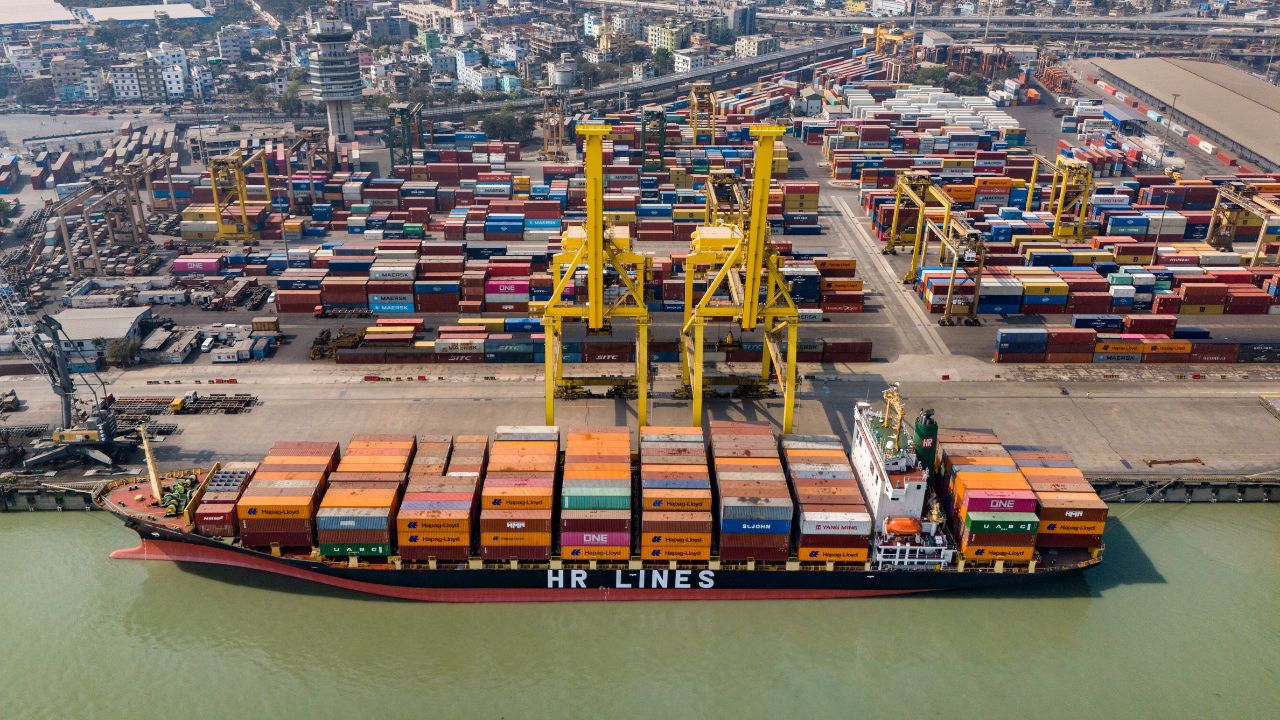
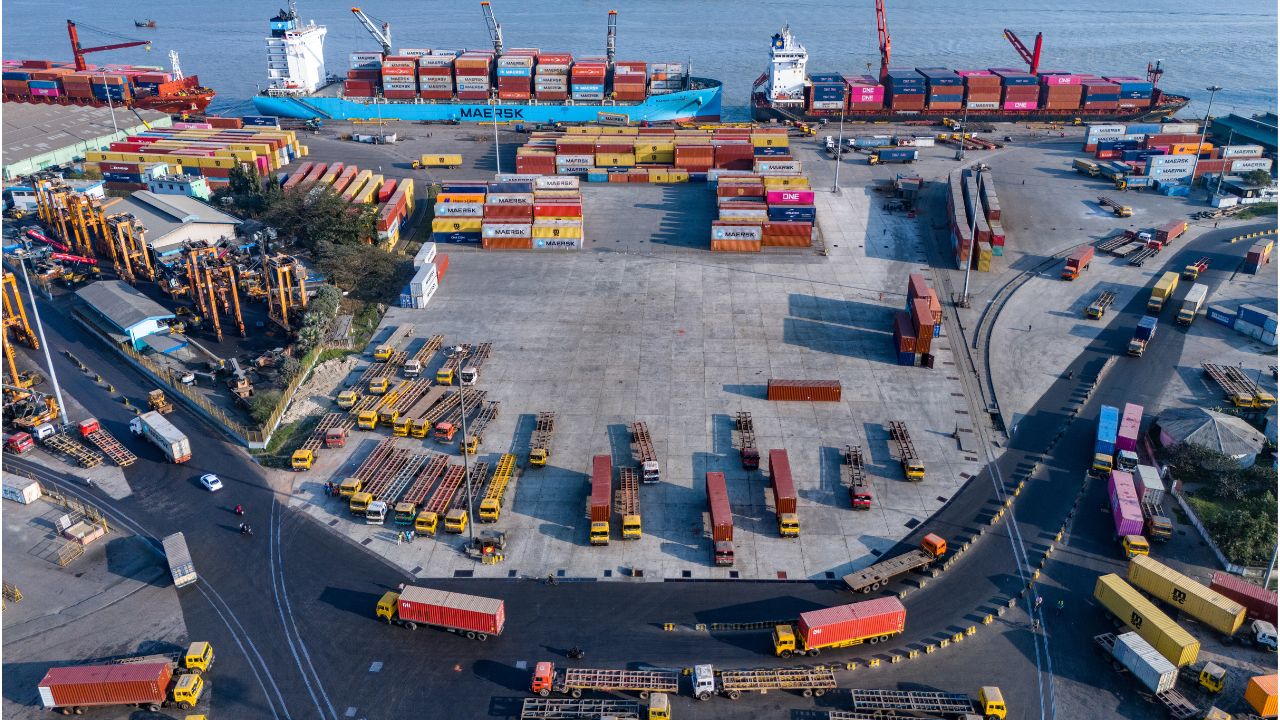
The company’s shipments were sold off from warehouse by the very banker entrusted with handling the material worth over Tk6 crore. With this, both the imported goods and the money of the trader is gone.
An internal probe of the bank found the manager Syed Siddique Imam guilty, and he was dismissed, said bank’s Deputy Managing Director Md Nazmus Saadat.
But that did little to repair the client’s damage. His business dream ended abruptly, but not the loan with huge interest burden.
Today, the owner – once an energetic trader – moves from one bank officer to another, clutching old loan papers, hoping someone will listen. His shutters are down, his account frozen, his pleas now echo unanswered in the same bureaucratic way of banking that once empowered his downfall.
He is not alone. Across the country, hundreds of entrepreneurs tell similar stories of betrayal by the very institutions meant to finance their business and growth.

“Such irregularities reflect weak internal controls and lax supervision,” said economist Mustafa K Mujeri.
Bankers say, despite repeated Bangladesh Bank inspection only a few officers face prosecution which encourage some bankers doing this malpractice.
Admitting the situation, BKMEA President Mohammad Hatem said many export-oriented factories had to stop production because of banks’ non-cooperation.
A series of case studies conducted by TIMES of Bangladesh shows how misconduct, arbitrary decisions and opaque policies have shattered businesses and their confidence.


According to Bangladesh Garment Manufacturers and Exporters Association (BGMEA), nearly 400 factories have shut down in recent years due to “banking complications.” Many knitwear exporters were forced to downgrade to subcontractors from exporters just to survive.
Distress echoes across other banks, where borrowers are left stranded midway through ventures after initial promises of support. Across both public and private lenders, the pattern repeats.
One such grim tale comes from a Dhaka-based top-level industrialist in textile and garment sector who took-over a weaving and dyeing factory with existing Tk80 crore loan from Bangladesh Krishi Bank. He requested anonymity, fearing it might affect his pending application for policy support.
He alleged some senior officials of the bank assured him of additional capital support after the purchase, but the assistance never extended. The project collapsed midway, leaving him burdened with classified loans and a lingering sense of defeat.
According to the industrialist, he has already paid Tk80 crore while interest has now swelled to around Tk200 crore.
The pattern extends beyond irregularities to lending rigidity that suffocates enterprises.
Dhamrai-based Orbit Fashion, a mid-sized garment exporter, lost its financing when its bank abruptly stopped accepting third-party mortgages. Without property in its own name, the factory was locked out of credit overnight. Exports halted, orders cancelled, many workers were laid off, and it became a sub-contractor.
Bangladesh Bank has no restriction on such loans. “A good client can even receive loans based on their business track record, without collateral,” said spokesperson of the central bank Arief Hossain Khan to TIMES of Bangladesh.
City Bank Managing Director Masrur Arefin said lending should depend on business potential, not land value. “The main security is the client’s business itself,” said, Arefin, also chairman of Association of Bankers, Bangladesh (ABB).
Banks point fingers at borrowers
Bankers, however, say mistrust cuts both ways. More than 3,400 wilful defaulters have been identified and reported to Bangladesh Bank, most of them small borrowers. About 150 have appealed to the High Court challenging their classification.
“In the past, loans were often disbursed based on personal connections rather than proper scrutiny. Now the central bank is trying to restore discipline,” said Fahmida Khatun, executive director of the Centre for Policy Dialogue.
Several bankers privately admit that political influence still shields major conglomerates from being labelled wilful defaulters.
“The soaring bad loans are both a symptom and a cause of this mistrust – aggressive loan fuels defaults, and rising defaults, in turn, make banks more cautious,” said South Bangla Bank’s former managing director Golam Faruk.
As of March 2025, non-performing loans stood at Tk4.2 lakh crore, which officials fear may cross Tk6 lakh crore by second quarter of this year. The soaring bad loans are both a symptom and a cause of mistrust – banks’ irregularities fuel defaults, and defaults make banks more reluctant to lend.
“Until transparency and accountability replace fear and favour, Bangladesh’s financial system will remain paralysed—its trust broken, its promise unfulfilled,” said economic analyst Md Mazedul Haque.