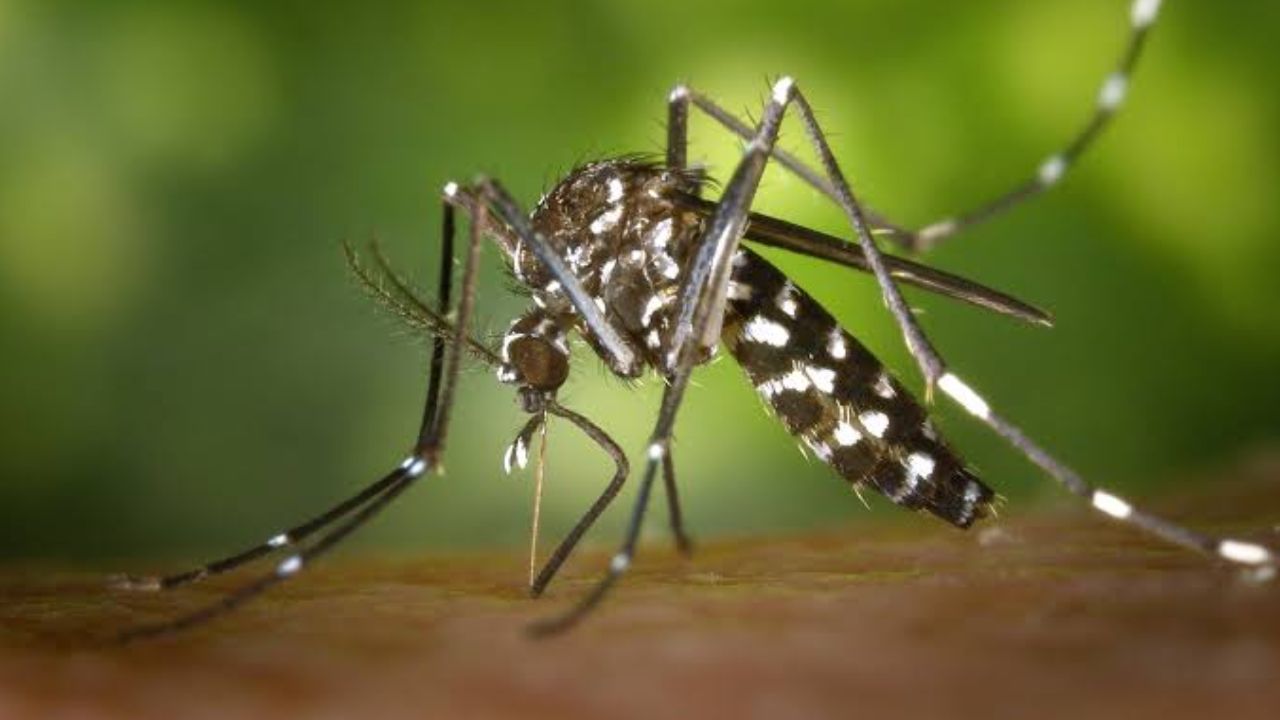



Rajshahi is at high risk of dengue as the latest entomological survey found a Breteau index of 61.33 in five areas of the city, nearly double the figure recorded in May.
The index was 30.66 in May, while the latest survey was conducted from 3-10 August in Kajihata, Chandipur, Uparbhadra, Namobhadrа and Hazrapukur.
The Breteau Index (BI) is a standard entomological metric used to measure the density of Aedes mosquito larvae and assess transmission risk of dengue and chikungunya.
According to the health department’s risk criteria, an area with a Breteau index above 20 is considered at high risk of dengue. Rajshahi’s latest index is therefore more than three times the high-risk threshold.
Following the survey, the Directorate General of Health Services’ Rajshahi divisional office has written to the administrator of Rajshahi City Corporation, urging the destruction of Aedes breeding sites and necessary preventive measures.
The survey found Aedes larvae in 24 of 75 houses inspected, putting the house index at 32%. Larvae were also found in 46 of 68 water-holding containers examined, resulting in a container index of 67.65%.
A total of 685 mosquito larvae were collected. Of these, 505 were Aedes albopictus, 86 were Aedes aegypti and 94 belonged to other mosquito species.

The larvae were found in stagnant water in flower vases, plastic and ceramic tubs, earthen and tin containers, coconut shells, cement tubs, drums, waterlogged floors, paint buckets and plastic buckets.
The May survey found larvae in 15 of 75 houses, with a house index of 20%. Of the 52 containers examined, 23 contained larvae, putting the container index at 44.23%. The Breteau index was 30.66.
The latest figures show that the house index increased from 20% to 32%, the container index from 44.23% to 67.65% and the Breteau index from 30.66 to 61.33 between May and August.
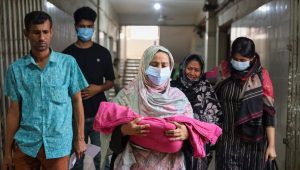
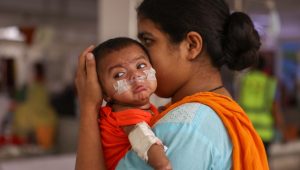
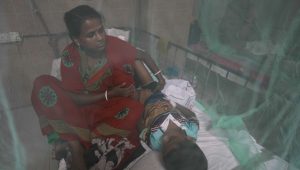
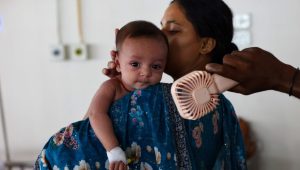
Meanwhile, dengue cases at Rajshahi Medical College Hospital have also increased.



Hospital data showed that one dengue patient was undergoing treatment on June 13. The number rose to nine on 30 July and reached 30 on 10 August.
The number fluctuated in the following days, with 33 patients receiving treatment on 15 August, 32 on 18 August and 28 on 19 August.
As of Thursday, 46 dengue patients were undergoing treatment at the hospital. Eleven new patients were admitted in the previous 24 hours, while four were discharged after recovery. No dengue-related death was reported during the period.
However, one dengue patient died at the hospital on 11 August.
Dr Habibur Rahman, divisional director of health in Rajshahi, said the city was facing a high risk of dengue.
“Dengue outbreaks have increased particularly in Chapainawabganj and Sirajganj. Rajshahi’s latest Breteau index is 61.33, which is more than three times the high-risk threshold,” he said.
He said the index had increased from 30.66 in May to 61.33 in August, requiring urgent measures to destroy Aedes breeding sites.
Rajshahi district entomologist Umme Habiba said Aedes larvae were being found in common household items where water could accumulate.
“Cleaning only large waterlogged or garbage-filled areas will not be enough. Attention must also be paid to rooftops, balconies, courtyards, tubs, flower vases, buckets, drums and abandoned containers,” she said.
She also stressed the need for public awareness to control Aedes mosquitoes.
Sheikh Shamim Ahmed, spokesperson for RMC Hospital, said the number of dengue patients was increasing but the hospital was prepared to provide treatment.
“A dedicated ward has also been set up. During the rainy season, water can accumulate in different places and create more breeding grounds for Aedes mosquitoes. So, alongside treatment, special attention should be given to destroying breeding sites,” he said.
RCC Chief Conservancy Officer Sheikh Md Mamun Dollar said mosquito-control drives were continuing across the city.
“Dengue cannot be completely eradicated, but preventive measures are being taken to contain its spread. Cleanliness drives are being conducted in every ward and residents are being made aware,” he said.
The latest survey findings, however, indicate that existing measures need to be strengthened and better coordinated.
Health officials said the health department, city corporation, local representatives and residents must work together to remove stagnant water, prevent water accumulation in homes and construction sites, and regularly destroy potential Aedes breeding sites.