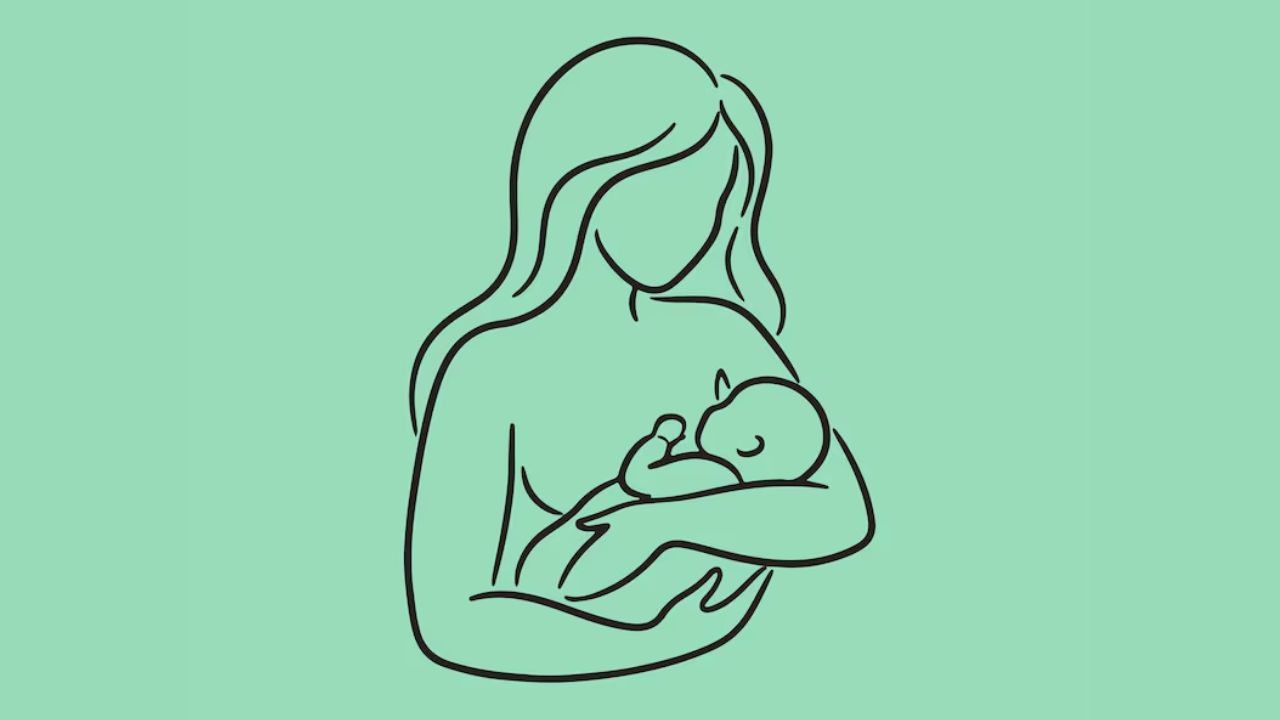

Expanding breastfeeding support worldwide could prevent nearly 400,000 child deaths and approximately 140,000 maternal deaths every year, UNICEF and World Health Organization (WHO) said in a joint statement.
The two UN agencies highlighted the significant health and economic benefits of investing in maternal and child care ahead of World Breastfeeding Week.
According to the statement, every $1 invested in breastfeeding promotion generates an estimated $59 in economic returns through reduced healthcare costs, improved cognitive development, higher educational attainment, and increased lifetime earnings.
Describing breastfeeding as one of the simplest and most effective ways to protect child health, the agencies said it provides essential nutrition, strengthens immunity, and supports brain development.

For mothers, breastfeeding offers major health benefits, including a reduced risk of breast and ovarian cancers as well as type 2 diabetes.
Global breastfeeding rates have shown steady improvement, with exclusive breastfeeding during the first six months of life rising from 37 per cent in 2012 to more than 47 per cent today.

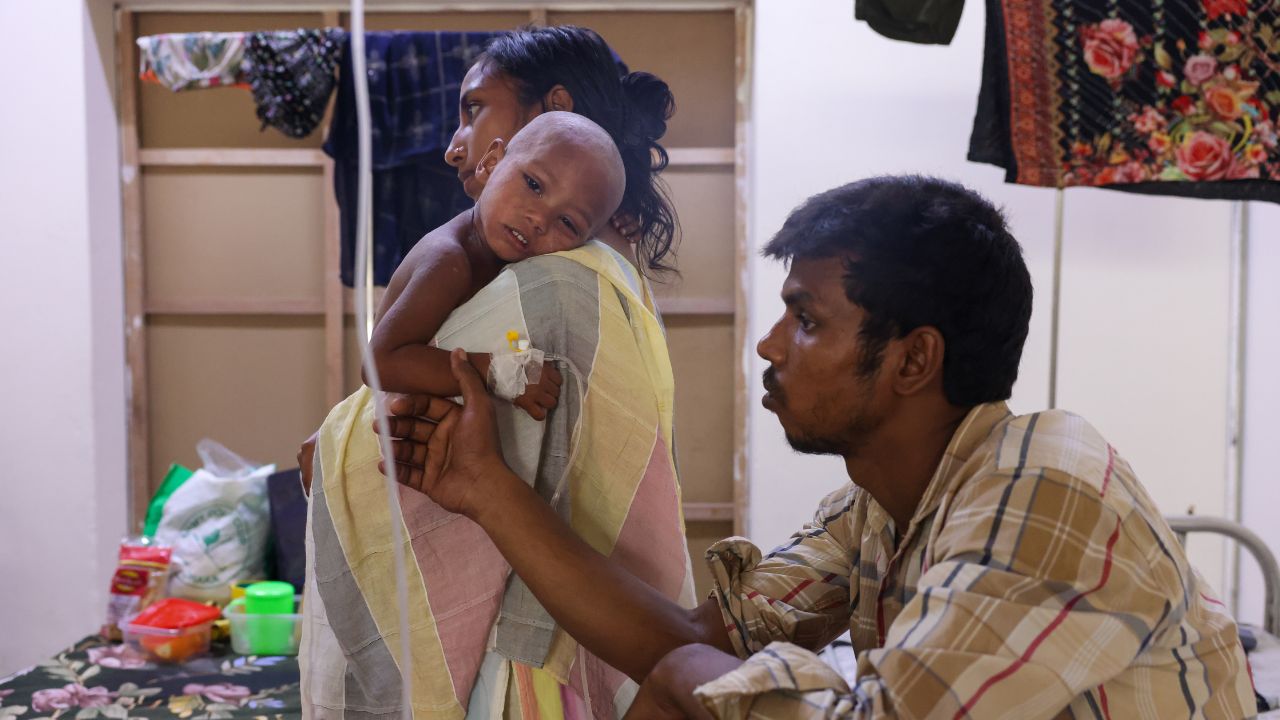

Additionally, the proportion of children breastfed until the age of two has increased from 38 per cent to 50 per cent over the past five years. However, the agencies cautioned that progress remains uneven and many countries are falling short of global targets.
Access to support services is often limited, existing policies are frequently poorly enforced, and the quality of services remains inadequate, particularly in low-income, fragile, and humanitarian settings.
Marking this year’s theme, “Breastfeeding for a Sustainable Start in Life: Strengthen What Works,” UNICEF Executive Director Catherine Russell and WHO Director-General Dr Tedros Adhanom Ghebreyesus called on governments to strengthen health systems and expand community support programmes.
They urged leaders to enforce International Code of Marketing of Breast-milk Substitutes and invest in paid maternity leave and family-friendly workplace policies.
The statement also called for breastfeeding interventions to be integrated into antenatal, perinatal, and postnatal healthcare services.
“By investing in proven solutions, we can give every child the best possible start in life and ensure every mother gets the care and services she needs,” the statement concluded.