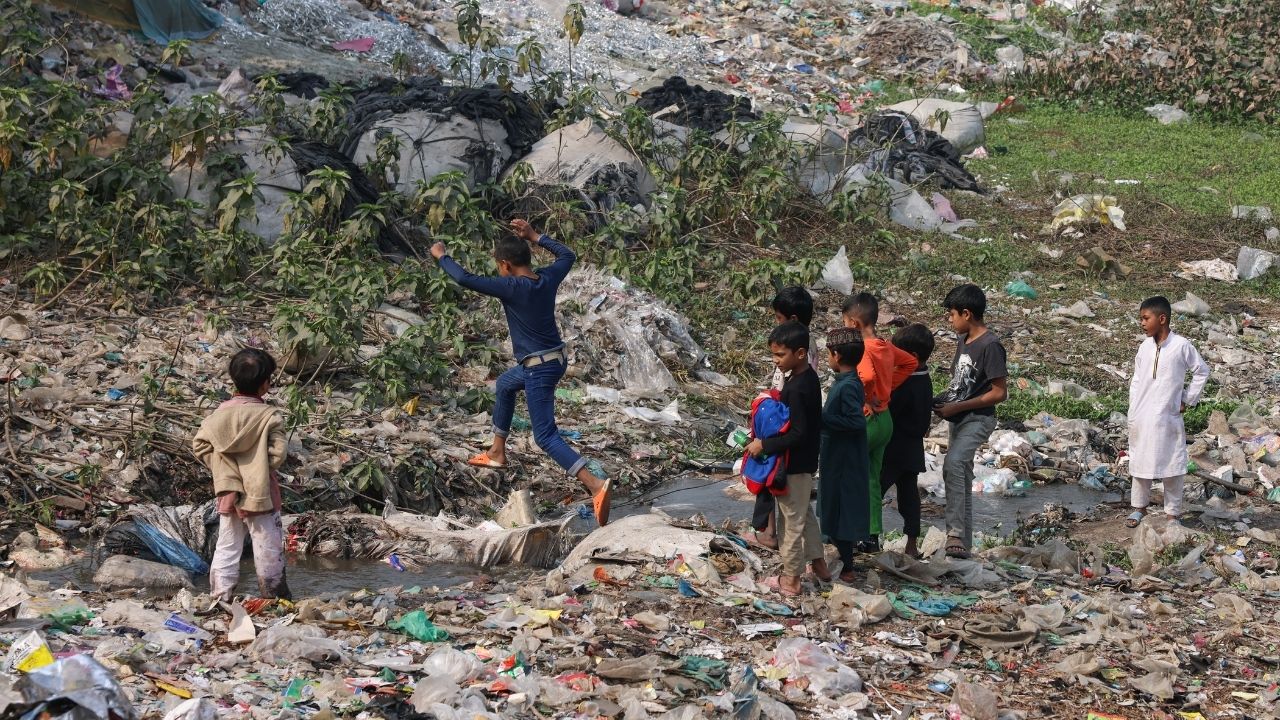

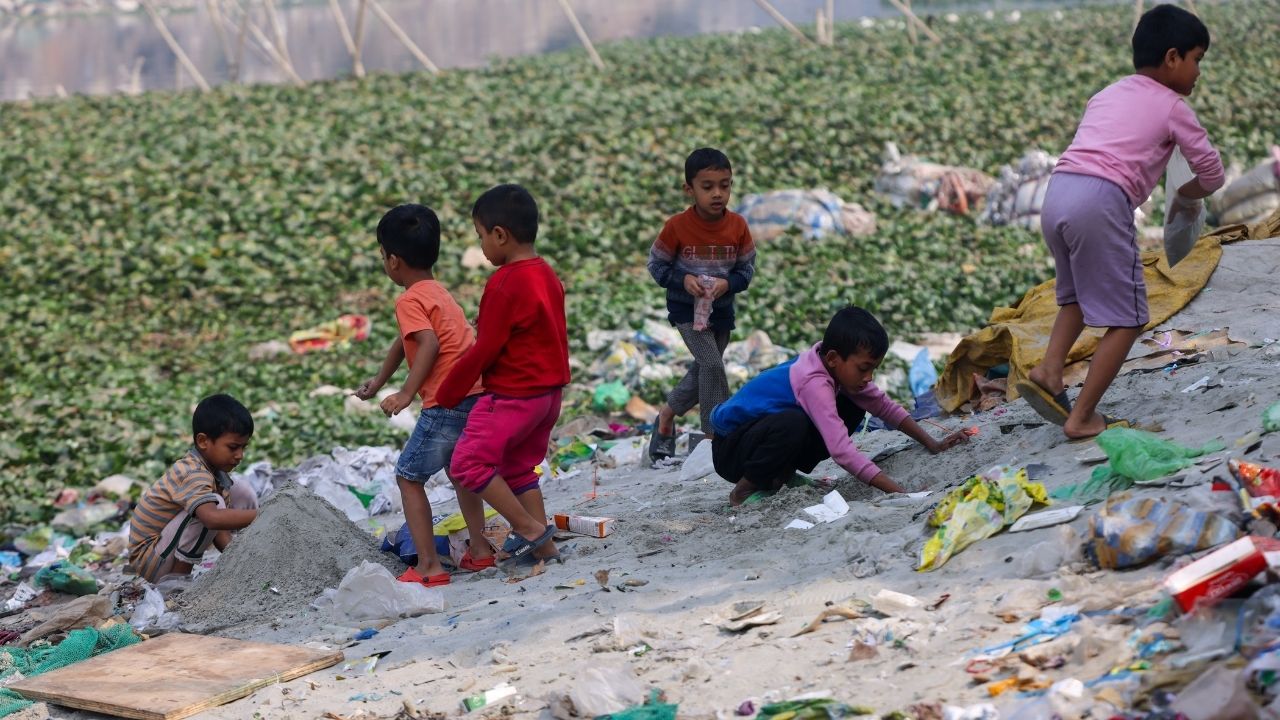
In Kamrangirchar, childhood has a different meaning. There are no green fields here, no open playgrounds, no swings or slides. The only open space many of the children know is the waste disposal area near the Buriganga River. Open heaps of trash become their field.
They run between piles of garbage, jump over broken plastic, kick a torn football beside rotten food and black water. Children here often grow up in conditions far from childhood dreams.
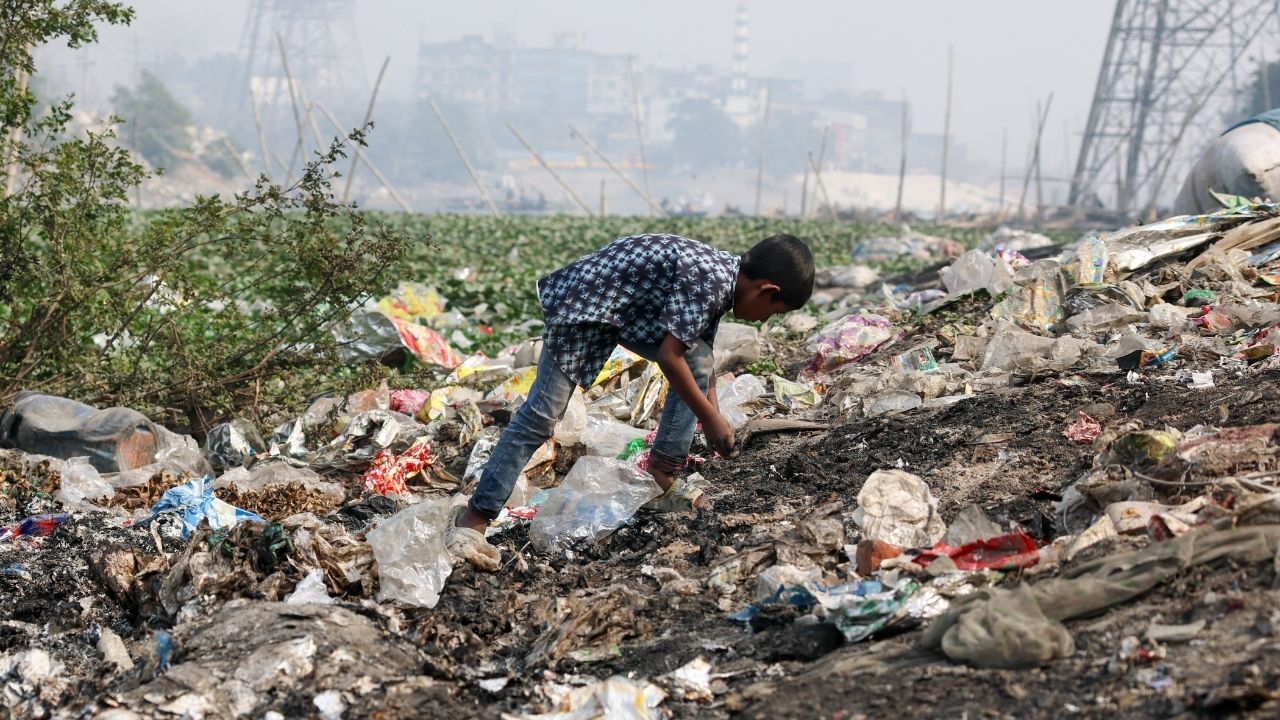
Many of them scan the trash every day. They look for anything they can use or sell. Small pieces of iron are common finds. Some children collect these and sell them at around Tk 40 per kilogram. The money they make helps feed their families. Others collect plastic bottles or scraps. There are no gloves, no safety equipment. Their hands and feet touch sharp metal and dirty waste.

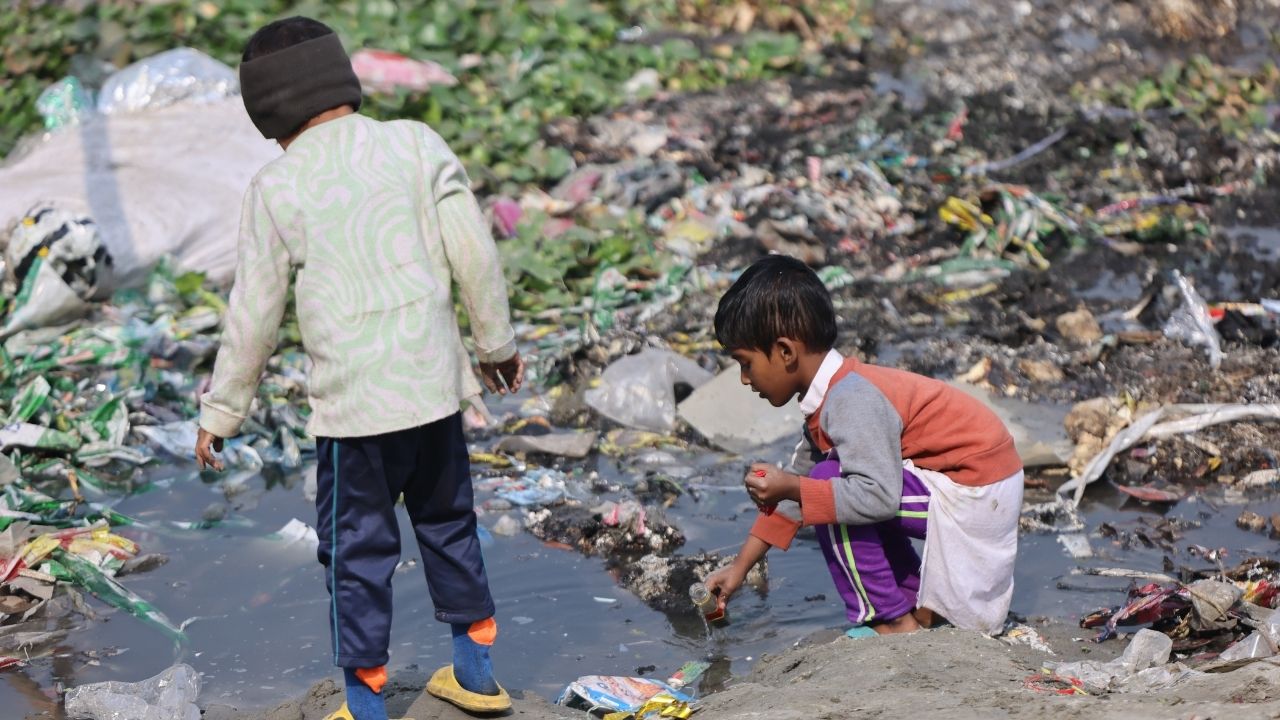
Families here are poor. Many parents cannot afford rent or school costs. More than play, survival becomes the priority. Some children miss school. Others work at dumping sites or small workshops in the area. Kamrangirchar is part of a densely populated, low-income zone.
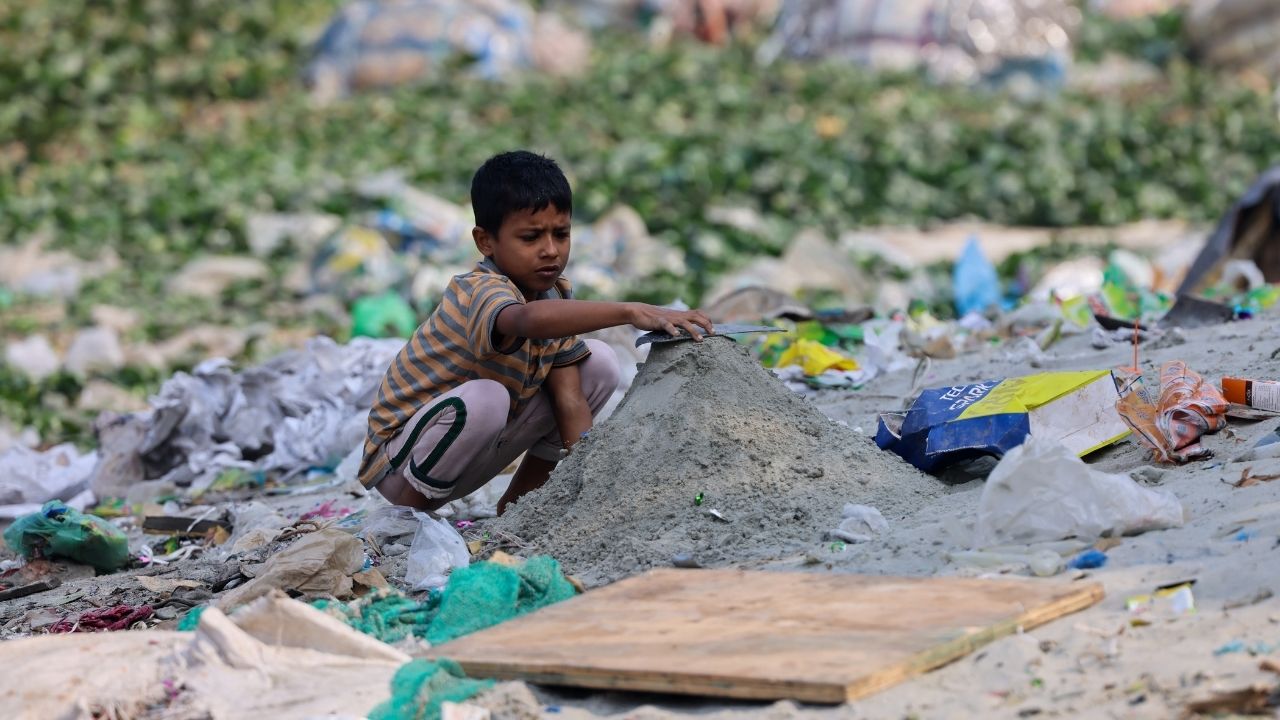
Some children find toys, broken dolls, old wheels, or plastic cars without tyres. They clean them with dirty water, then they play, forgetting where they are for a moment.
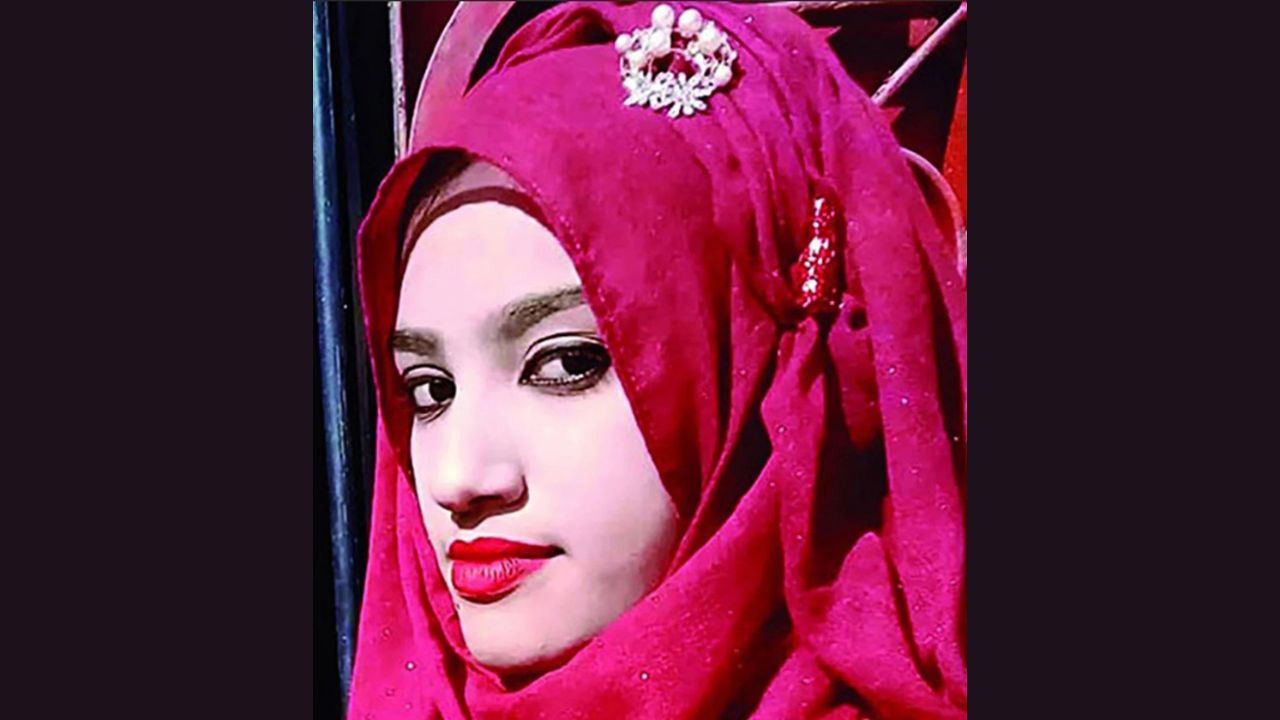

Yet this place brings danger as well as fun. The stench from rotting trash mixes with polluted water. Children breathe in bad air. Their skin gets infected. They face the risk of cuts, infection, and disease. Health experts warn that such exposure can lead to respiratory problems and long-term illness.

But warnings do not stop hunger. Many families in Kamrangirchar live day to day. Parents work long hours, some earn too little, some earn nothing at all. Children become helpers, earners and survivors.
School becomes irregular, homework becomes impossible, and playtime becomes labour. This is not a choice but a force. A force that pushes their childhood into the waste.
No one plans a future here. No one dreams of parks or playgrounds. They dream of food, safety and a better tomorrow. The city grows around them as buildings rise; roads expand. But these children remain unseen.
They grow up among what others throw away. They learn about value from scraps and about survival too early. A childhood should be safe, fun and free. In Kamrangirchar, it is buried under garbage, and every day, children dig through it.