
As Bangladesh prepares for national elections in February, the BNP is facing one of its biggest challenges: finalising single candidates for each of the 300 constituencies. The party is grappling with multiple qualified candidates in each constituency, making it difficult for the top leadership to settle on nominees.
Internal party disputes, fears of rebel candidates, and the need to accommodate allies have further complicated the decision-making process. The 13th parliamentary election is seen as an opportunity for the BNP to return to power after nearly two decades, which is why carefully selecting candidates has become crucial.
Top BNP leaders have indicated that around 200 candidates have already been chosen for various constituencies, but selecting candidates for the remaining 100 seats has been difficult due to internal disagreements and political tensions.
In constituencies where there are multiple qualified candidates, party leaders are attempting to finalise nominations through direct discussions. However, this has led to growing internal strife in several areas. After being denied nomination in the 2018 elections, the last election the BNP contested, many party leaders ran as rebel candidates in various constituencies.

In certain constituencies, party conflicts have raised doubts about the possibility of some candidates receiving nominations. Direct intervention from senior party leaders is now required to resolve these issues.
The situation is particularly complicated in cases where multiple members of the same family are competing for the same seat, such as a father and son or a mother and son running in the same constituency.
Meanwhile, the BNP leadership is also dealing with complexities arising from multiple family members of party leaders vying for nominations in Dhaka and elsewhere.

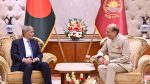

In a recently held standing committee meeting, BNP’s acting chairman Tarique Rahman stated that if there are multiple qualified candidates from one family, then the nomination board will select one among them.
According to party sources, the BNP leadership is now in discussions within the party regarding the allocation of seats to allies. Of the 100 seats where candidates have not yet been selected, some will be given to allies, including like-minded political parties. However, there is still internal disagreement over the distribution of seats for these allies.
“We will finalise the candidate list through discussions with grassroots leaders and surveys. Our party has multiple qualified candidates,” BNP Secretary General Mirza Fakhrul Islam Alamgir told TIMES of Bangladesh.
In line with the party’s strategy, more attention is being paid to younger, popular candidates who are actively working in their constituencies. These candidates, who have been in touch with the public for the past 17 years, are likely to feature prominently on the final list. As part of this strategy, some senior leaders may be omitted from the final list to make way for younger faces.
BNP Standing Committee member Major (retd) Hafiz Uddin Ahmed confirmed that the party plans to finalise candidates for at least 200 constituencies by the end of this month. He said, “Acting chairman Tarique Rahman will personally finalise the candidates through surveys.”
BNP’s nomination process has historically been a testing ground, often leading to controversy. Despite political infighting and various challenges, party leaders are determined to finalise the list of prospective candidates. They are also keeping the door open for potential agreements and negotiations with alliance partners.
The party leadership is hopeful that the candidate list will be finalised by addressing issues of internal conflicts and rebel candidacies.
The BNP has been out of power for around 19 years, and many of its leaders and activists were victims of legal jail terms, enforced disappearances, and even deaths during the 15-and-a-half years of authoritarian rule under ousted prime minister Sheikh Hasina.