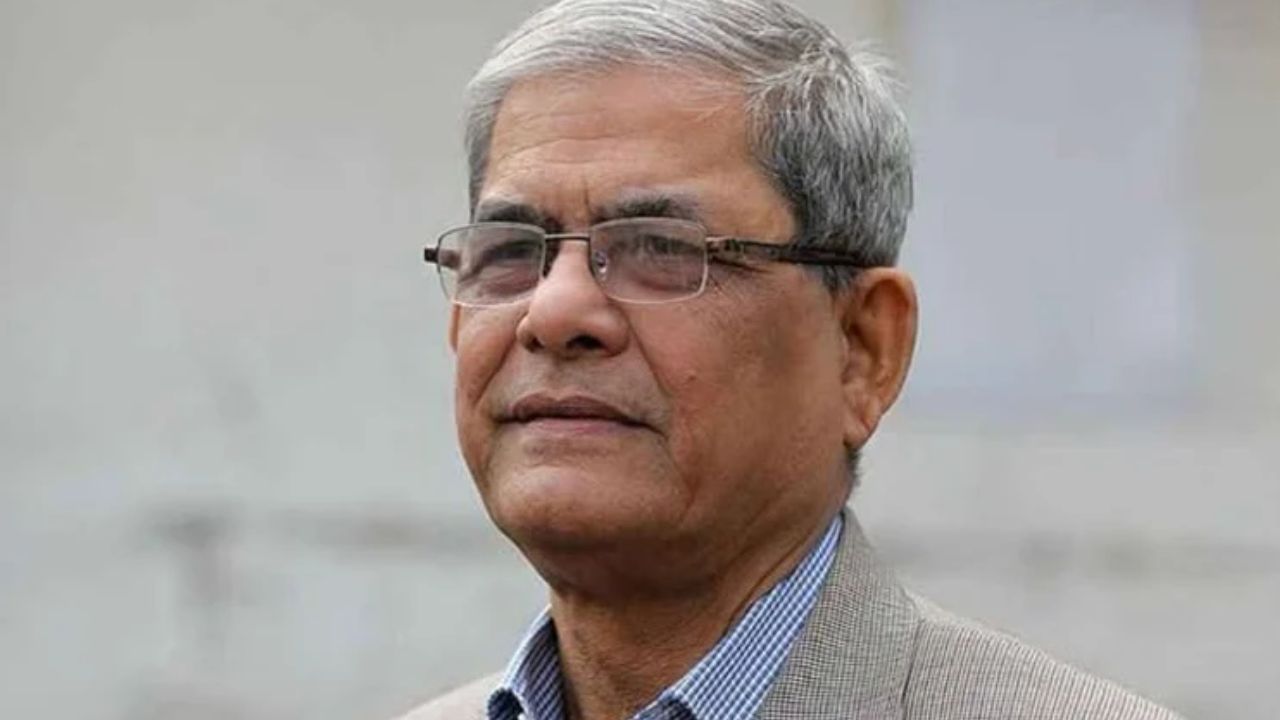
The Border Guard Bangladesh (BGB) has been placed on maximum alert following the post-assembly election situation in West Bengal, India, and rising border tensions, Home Minister Salahuddin Ahmed said on Monday.
The home minister briefed journalists at the Secretariat after a meeting chaired by Prime Minister Tarique Rahman on improving the living standards of salt farmers.
Responding to a question regarding the election outcome in West Bengal and subsequent border tensions, Salahuddin said that any governmental changes in a state and other administrative decisions, such as the construction of barbed-wire fences, are India’s internal matters.

The home minister clearly stated that Bangladesh maintains diplomatic relations with the government of India based on sovereign equality. He emphasised that the change of political power in any specific state does not affect Bangladesh’s foreign policy or bilateral relations.
The BGB remains constantly vigilant to prevent border infiltration and ensure that the law-and-order situation is not disrupted, he added.




Regarding viral social media posts alleging atrocities against minorities following the West Bengal elections, Salahuddin said that in many cases, propaganda is being spread using old and misleading videos.
So far, neither the Ministry of Home Affairs nor the Ministry of Foreign Affairs has any information regarding the authenticity of such incidents or any negative impact on Bangladesh, he said, urging the public not to be misled by such propaganda.
Govt working on fair salt prices
Earlier in his briefing, the home minister also discussed initiatives for the salt industry. He said the government has taken steps to determine a fair price for salt in line with production costs to achieve self-sufficiency and protect the interests of local salt farmers.
The Ministry of Agriculture is currently reviewing production costs so that farmers receive a proper price for their hard work, he said, adding that the justification for imports is being verified by assessing domestic demand for both industrial and edible salt.
Upon collection of accurate data and following the prime minister’s directives, decisions will be taken so that the country may achieve complete self-sufficiency in salt production while ensuring farmers do not incur any losses, Salahuddin added.