


Policymakers and experts at Bengal Delta Conference (BDC) 2026 have identified democratic reform, economic reconstruction, employment, investment, energy security, and regional economic co-operation as primary development priorities for Bangladesh’s future.
The two-day conference, themed “Bangladesh and a Changing World: Uncharted Times, Emerging Orders, and the Politics of Care”, was organised by Dacca Institute of Research and Analytics (DAIRA) at Hotel InterContinental in Dhaka.
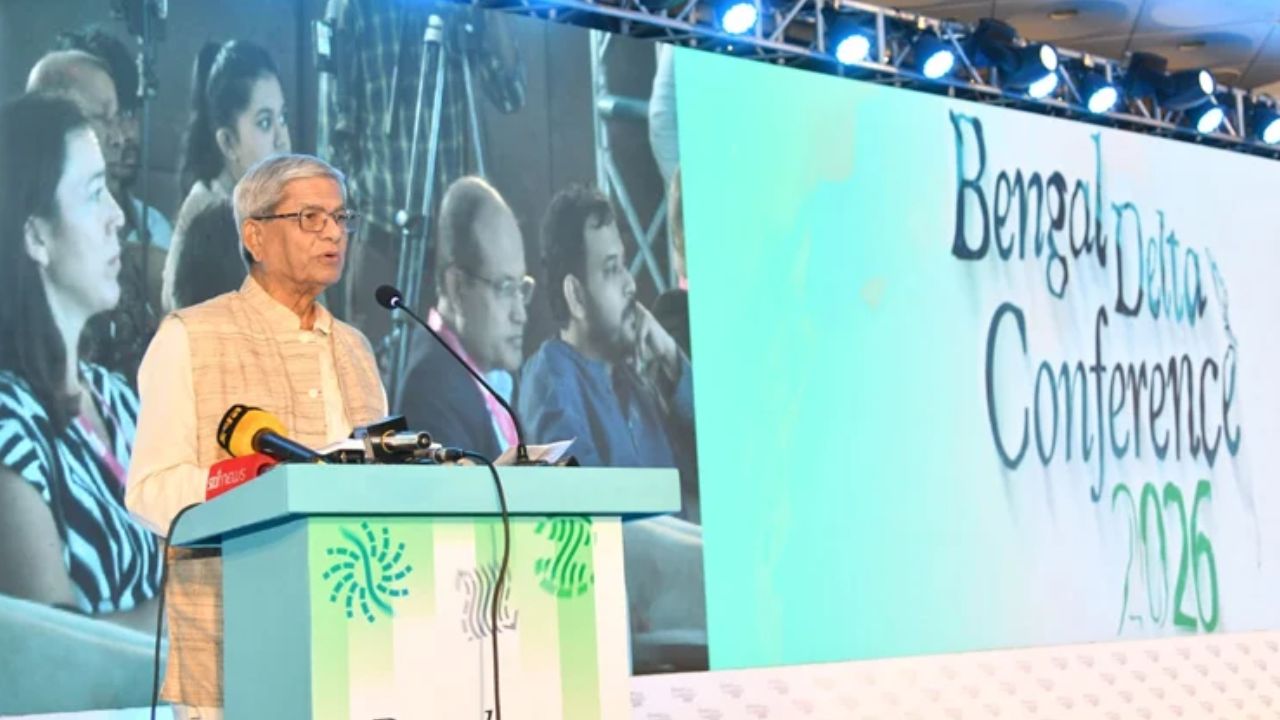
Addressing the event as the chief guest, the Minister for Local Government, Rural Development and Co-operatives, Mirza Fakhrul Islam Alamgir, said the government is working to build a democratic, inclusive, and exploitation-free Bangladesh.
He added that the administration’s core objectives include strengthening democratic institutions, reconstructing the economy, and enhancing the quality of life for citizens.
Fakhrul said while global conflicts, economic volatility, and long-standing corruption and money laundering have pressured the national economy, initiatives are underway to overcome these challenges through banking sector reforms, industrialisation, and revitalising the rural economy.

He further said that constitutional reform initiatives are being pursued through discussions with political parties.
In the session titled “Economic Plan, Revenue and Investment”, Rashed Al Mahmud Titumir, adviser to the Prime Minister on Finance and Planning, detailed strategies for productive investment and job creation.

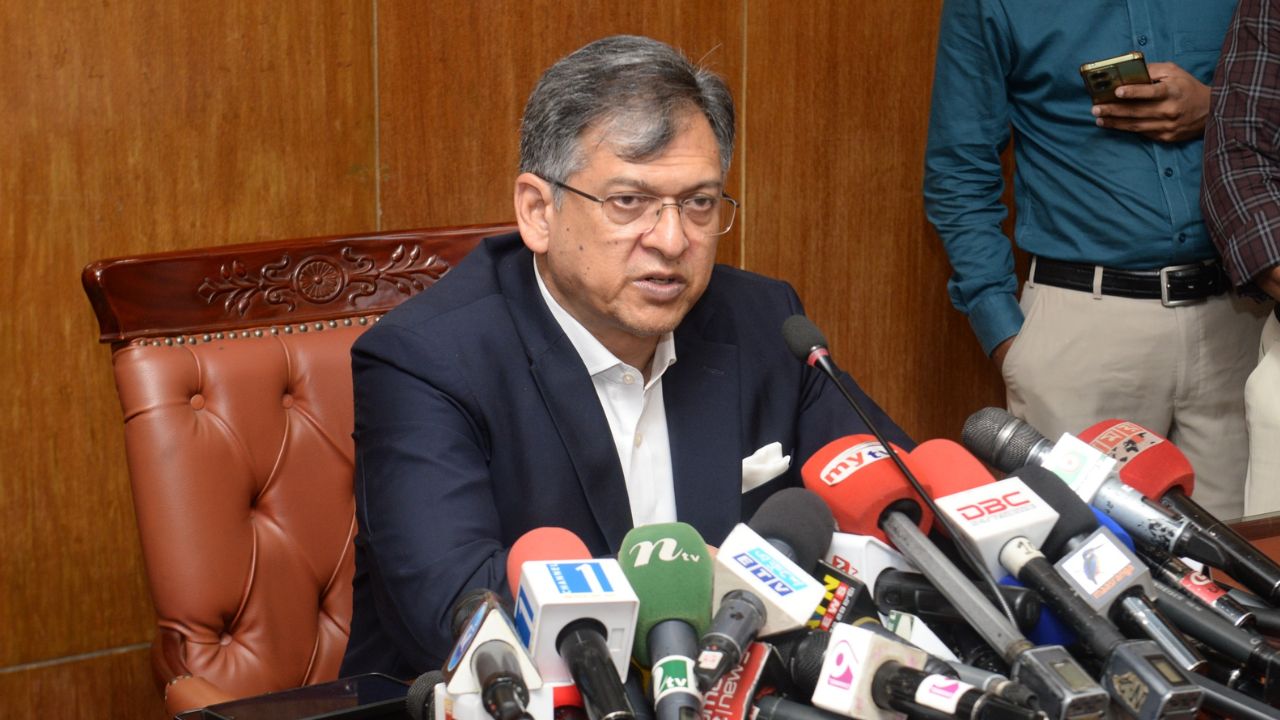

He highlighted plans to increase revenue without raising tax rates by digitising tax administration and introducing the “One Card, One Citizen” initiative to ensure good governance. His strategy also includes reducing defaulted loans and bank recapitalisation.
During a later discussion on “Productivity, Competitiveness and Trade for Jobs”, Titumir said to remain competitive following LDC graduation, Bangladesh must focus on technology-based industrialisation, developing skilled human resources, and creating effective links between industry and academia.
Abdulla Jihad, former vice president of Maldives, also addressed the conference, asserting that a strong revenue structure, credible monetary policy, and transparent financial control are the foundations for navigating global economic uncertainty.
He recommended that regional economic co-operation be transformed into immediate actionable programmes and urged for long-term institutional planning that transcends political changes.
In the “Doing Business in Bangladesh” session, Nuria Lopez, chairperson of European Chamber of Commerce in Bangladesh (EuroCham), said sustainable energy planning and efficient infrastructure are more critical than the limitations of energy resources.
She called for realistic policy-making informed by the experiences of existing investors and suggested reforms based on Free Trade Agreements (FTAs).
Regarding human rights and justice, Mahdi Amin, special assistant to the prime minister, spoke at “Atrocity Risks and Prevention” panel.
He reaffirmed the government’s commitment to ensuring justice for past human rights violations and strengthening state institutions. He said accountability and the protection of civil liberties are the foundations of sustainable development.
The first day of the conference saw participation from a diverse group of researchers, diplomats, development experts, and civil society representatives.
Discussions also covered the future of higher education, women’s participation in the workforce, and literature. Speakers concluded that institutional capacity, accountability, and inclusive development remain essential for Bangladesh’s sustainable progress.